

Aperitivo vs. Apericena: what’s the difference?
If you have ever spent time in an Italian piazza in the late afternoon, you have likely witnessed a magical transformation. As the workday ends, tables fill up with colorful drinks and small plates of snacks. This isn’t just a “happy hour“; it is the ritual of the aperitivo. But as Italian trends evolve, a new concept has emerged: the apericena.
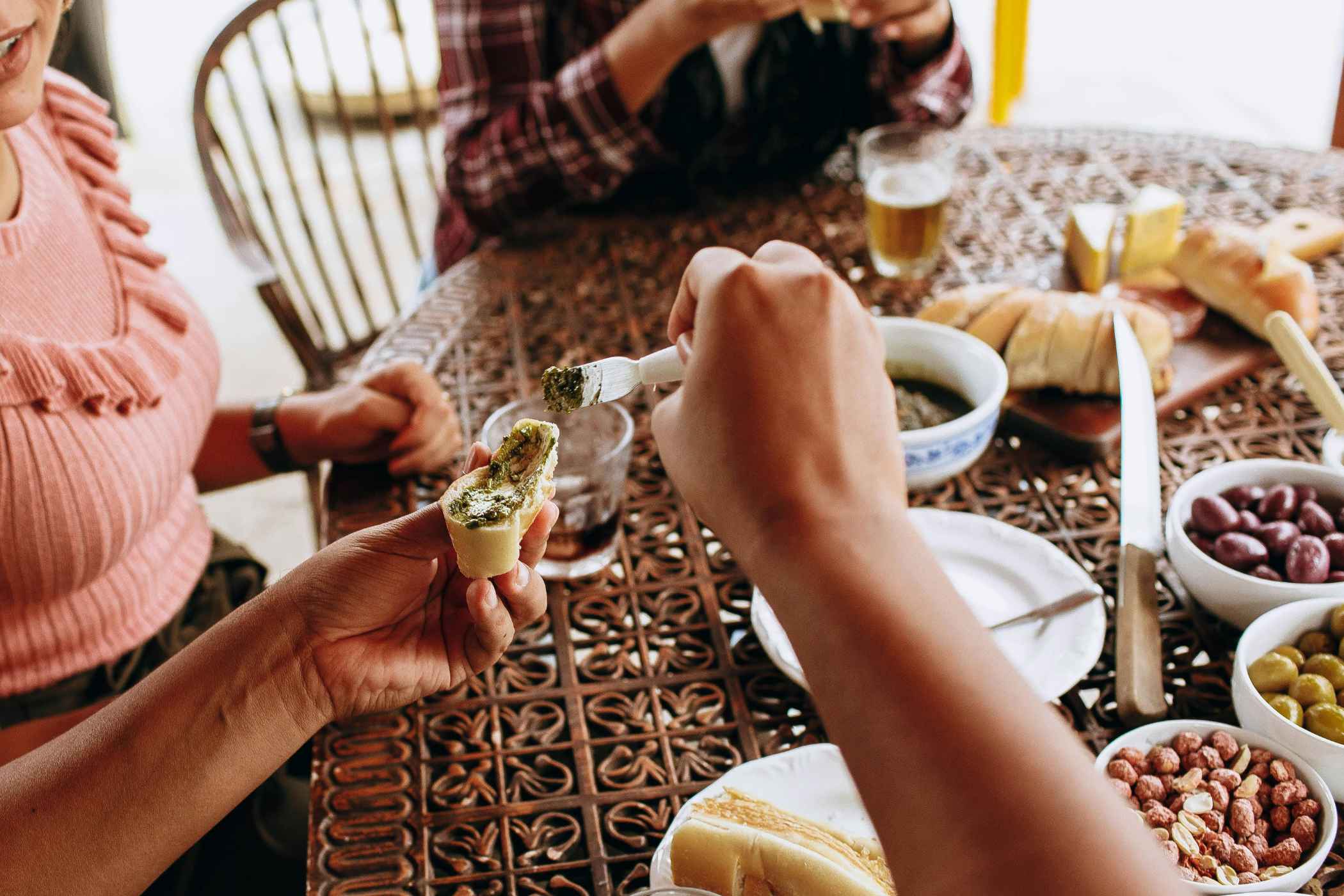
What is the Italian Aperitivo?
The word aperitivo comes from the Latin aperire, meaning “to open“. Historically, it was intended to “open” the stomach and stimulate the appetite before dinner. While the custom dates back to the 18th century, it became a true cultural phenomenon about 40 years ago, starting in Milan.
For Italians, the aperitivo is not just about the drink; it is about conviviality. It is an opportunity to gather with friends or colleagues at a bar to talk and relax. Traditionally, you order a drink – alcoholic or non-alcoholic – and it comes with simple snacks like olives, nuts, and potato chips.
What is the Apericena in Italy?
In recent years, the aperitivo has evolved into something much more substantial called the apericena (a combination of aperitivo and cena, the Italian word for dinner).
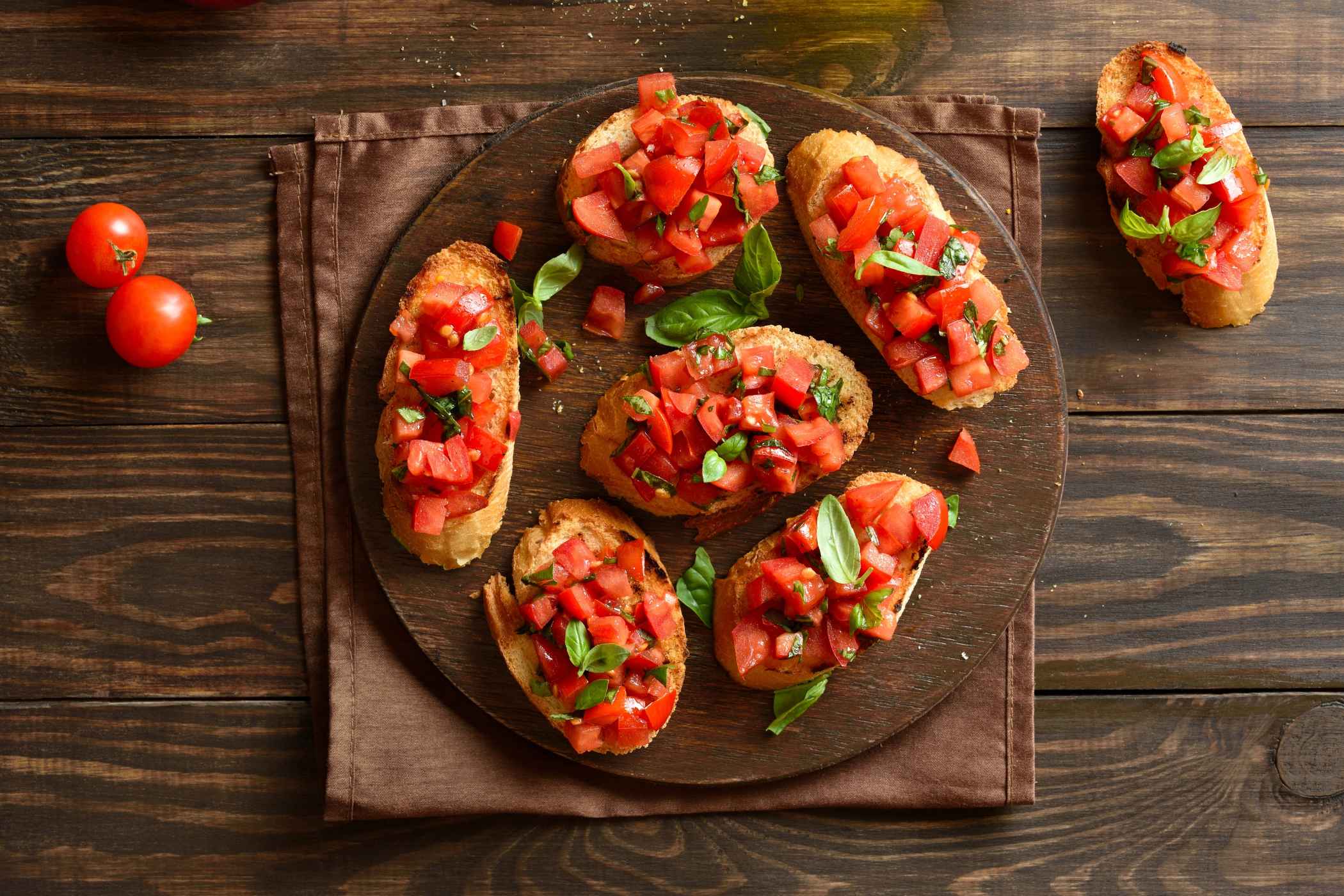
Unlike the traditional version, an apericena offers a much wider and more elaborate selection of food. Instead of just chips, you might find:
- Crostini and gourmet sandwiches.
- Pinzimonio: fresh, raw vegetables dipped in high-quality olive oil and salt.
- Various pâtés and local specialties.
The apericena often replaces dinner entirely. While it is a fun way to try many different flavors, some find it a bit frustrating – it can be more expensive than a traditional drink, and sometimes you might still leave feeling like you’d rather have just ordered a full pizza!
What to drink in Italy?
Depending on where you are in Italy, the “must-have” drink changes:
- The North (Triveneto area): The king of the aperitivo here is the Spritz, made with Prosecco, Aperol (or Campari), soda water, and a slice of orange.
- Milan: Currently, “Lo Sbagliato” is very trendy. It’s a variation of the Negroni that replaces gin with sparkling wine.
- The South: The classic Negroni remains incredibly popular, featuring a strong mix of Gin, Campari, and red Vermouth.
If you don’t drink alcohol, don’t worry! You can always order a Sanbitter or a bitter orange soda (aranciata amara). The most important part isn’t what’s in your glass, but the people you are sharing the moment with.
Tips for your next trip
If you find yourself in Italy, trying an aperitivo is a mandatory experience. In regions like Sicily or Campania, you might find that the snacks are incredibly generous even for a low price. No matter where you are, it is the best way to soak in the local atmosphere and practice the fine Italian art of doing nothing (il dolce far niente) before the night truly begins!
Loved this episode?
Turn it into practice.
Get the full transcript and a set of comprehension questions, the perfect way to take your Italian listening skills to the next level.
Click here to download the PDF