

What You Need to Know: Useful Information
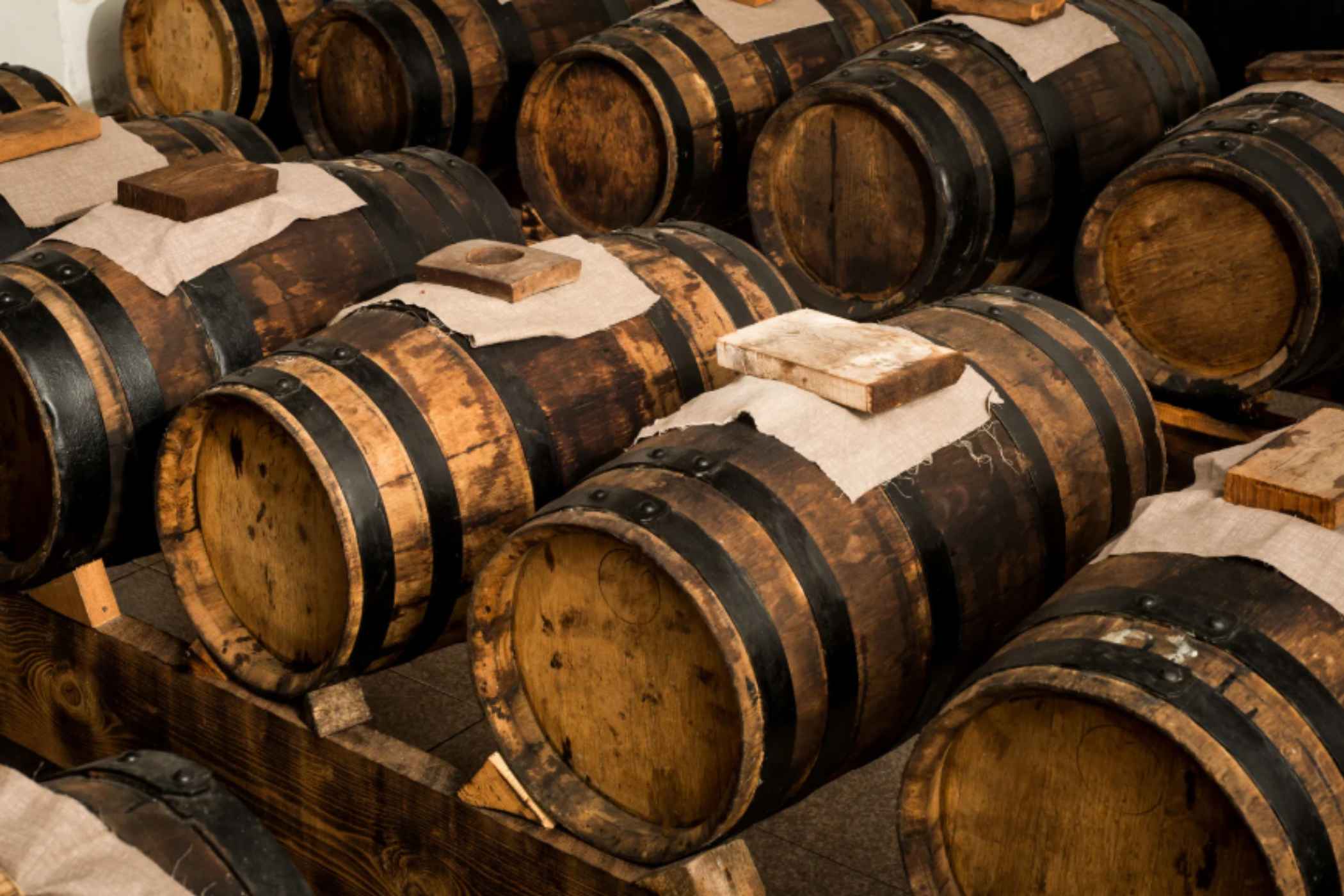
An “acetaia” is a place where vinegar, particularly balsamic vinegar, is produced and stored. In the specific case of Modena, the acetaia is a traditional environment where Traditional Balsamic Vinegar of Modena, a typical product of great cultural and gastronomic value, is aged. The acetaia houses wooden barrels of various types (chestnut, cherry, oak, mulberry, etc.) where the cooked and then fermented grape must is left to mature for years, often decades.
Here, natural fermentation and aging processes take place, giving balsamic vinegar its unique and complex flavor. Balsamic vinegar of Modena is famous worldwide for its quality, its thousand-year-old tradition, and its rigorous production method. It is made exclusively from local grapes and its production is governed by strict regulations that guarantee its authenticity and organoleptic characteristics.
Getting There:
By Train:
Take a direct regional or Intercity train to the Modena Centrale railway station, located on the main Piacenza-Bologna line. Alternatively, travelers can use the nearby Reggio Emilia AV Mediopadana high-speed station for rapid connections from Milan or Rome.
By Car:
Drivers can seamlessly navigate to the production zones via the A1 Motorway (Autostrada del Sole), exiting directly at Modena Nord or Modena Sud. Having a car is ideal for exploring the rural farmstead acetaie nestled in the rolling countryside hills.
By Public Bus:
The local SETA bus network provides daily regional transit routes connecting central Modena to surrounding production towns like Spilamberto, Maranello, and Castelvetro.
Below you'll find the location marked on Google Maps. Click on it to open the location directly on your device's maps.
Useful Contacts:
- Visit Modena (Official Municipal Tourist Information Hub): +39 059 2032660 | visitmodena.it
- Museo del Balsamico Tradizionale (The Culinary Museum): +39 059 781614
What to Bring & Pro Tips:
- Because authentic acetaie are traditionally housed in the upper lofts and attics of historic farms to capture the natural seasonal climate variations, be prepared to climb narrow, steep flights of stairs. Wear comfortable walking shoes.
- If you plan your visit during the autumn months (September to October), you can often witness the pressing of the local grapes and the open-air boiling of the fresh must in large cauldrons before it enters the wood barrel batteries.
- Check and book your visit in advance!
The “Hidden Gem”:
While there are dozens of private, prestigious family-run cellars hidden across the province, the spiritual heart of balsamic culture resides in a civic treasure located in the nearby medieval village of Spilamberto: the Acetaia Comunale (Municipal Vinegar Cellar).
Housed directly inside the attic spaces of the majestic 14th-century Rocca Rangoni castle, this public acetaia is managed by the Consorteria of Traditional Balsamic Vinegar. It functions as a living museum where town dignitaries maintain historic barrel batteries named after local historical figures. Visitors can walk beneath the ancient wooden roof timbers, smell the rich, intoxicating acidic vapors of decades-old wood, and view the sacred tasting rooms where annual competitions take place to crown the single best home-crafted balsamic vinegar in the region. It offers an incredibly pure, non-commercial look into how deeply this “black gold” is woven into the civic pride and family heritages of Modenese society.
