

What You Need to Know: Useful Information
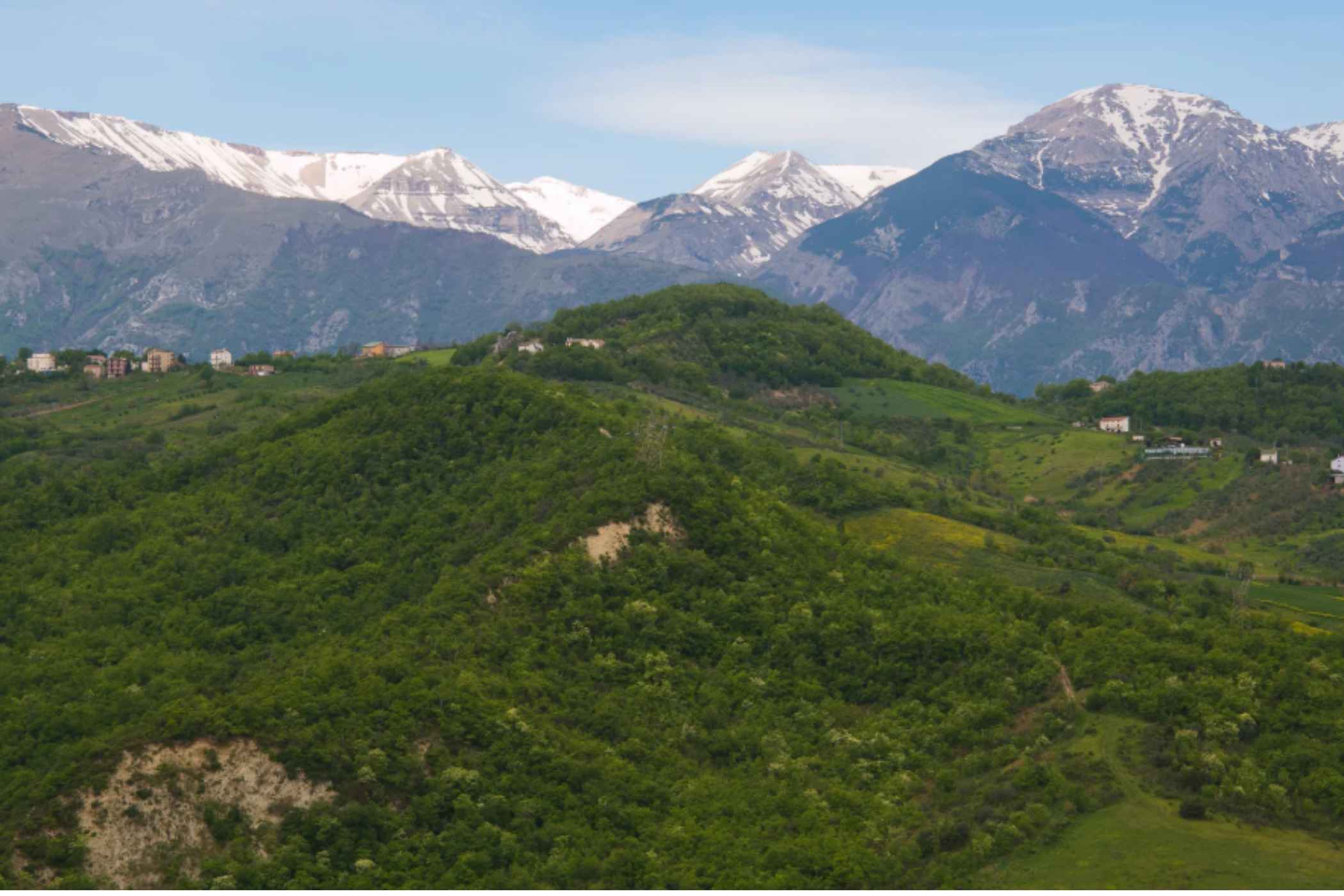
Majella National Park is primarily located in the province of Chieti, with portions also in L'Aquila and Pescara. The park spans about 74,000 hectares and features a stunning mountainous terrain with elevations ranging between 400 and 2,700 meters. This vast area supports diverse ecosystems, including forests, alpine meadows, gorges, and rocky peaks, which provide shelter to many rare and protected animal and plant species. Beyond its environmental wealth, Majella is renowned for its deep historical and cultural value, home to ancient hermitages and sanctuaries completely immersed in nature. The park's exceptionally rich flora makes it a haven for several local farms and beekeepers who produce high-quality honey. Thanks to the variety of nectar- and pollen-producing plants across changing environments and altitudes, bees are able to create honeys with unique flavors. To capture the best blooms, many beekeepers use a nomadic system, relocating their hives seasonally within the park. Their strict emphasis on organic production completely avoids pesticides and chemicals, ensuring a natural, healthy product. This pristine environment yields special varieties such as oak honeydew, wildflower honey, chestnut honey, and honeys from other typical mountain plants.
Getting There
By train
To reach the gateway towns of the park by rail, you can take a regional Trenitalia train to the Sulmona railway station or the Chieti railway station. From these main provincial stops, you will need to catch connecting regional transit buses to travel higher up into the mountain valleys, as commercial trains do not run directly through the protected park area.
By car
If you choose to drive from Pescara or Rome, take the A25 highway (Torano-Pescara) and exit at Scafa-Alanno or Pratola Peligna-Sulmona, then follow the signs along the scenic SS5 or SR487 roads straight into the park. If you are exploring the Chieti side, taking the SS81 highway provides excellent access to the northern and eastern slopes of the mountain massif.
By bus
For regional public transit travelers who prefer this option, TUA (Trasporto Unico Abruzzese) operates daily intercity bus routes that link the central transit hubs of Chieti, Pescara, and L'Aquila directly to the main base villages inside the park, such as Caramanico Terme and Guardiagrele.
Below you'll find the location marked on Google Maps. Click on it to open the location directly on your device's maps.
Useful Contacts
- Ente Parco Nazionale della Majella (Main Park Headquarters Office):
- Phone: +39 0864 25701
- Email: [email protected]
- Website: parcomajella.it
- Centro Informazioni Caramanico Terme (Caramanico Terme Visitor Center Desk):
- Phone: +39 085 922343
- Associazione Apicoltori d'Abruzzo (Abruzzo Beekeepers Association):
- Website: apicoltoriabruzzo.it
What to Bring & Pro Tips
Because the park spans a dramatic elevation range from 400 up to 2,700 meters, temperatures can fluctuate wildly, making it essential to dress in warm, adaptable layers even during the peak summer blooming season. If you plan to take the user-recommended option of touring the farms to learn about honey production and taste it, remember to reach out to the beekeepers in advance to schedule your visit around their active harvest and hive-relocation times. Make sure to wear sturdy, closed-toe walking shoes or hiking boots, as these countryside apiaries are often located on uneven, rustic terrain near the forests and meadows. Bring a reusable water bottle to cleanse your palate between tasting intense varieties like chestnut honey and oak honeydew. Lastly, leave a bit of extra space in your daypack or bring a sturdy tote bag so you can easily buy some high-quality jars to take home as authentic, organic souvenirs.
The “Hidden Gem”
Once you have finished sampling the organic honeys and exploring the visitor centers, take a hike deep into the Orfento Gorge to discover the breathtaking Hermitage of San Giovanni all'Orfento.
Instead of visiting a standard roadside historic site, prepare for an adventurous trek to find this astonishing 13th-century spiritual sanctuary, which is carved entirely into a sheer limestone cliffside face. Used by Pope Celestine V as a place of extreme isolation and prayer, the hermitage is so tightly integrated into the mountain rock that visitors must literally crawl on their stomachs through a narrow, ledge-side stone tunnel just to step inside the rock-cut living quarters. Below the site, the crystalline Orfento River tumbles through a lush, moss-covered canyon filled with tiny waterfalls and rare ferns. Exploring this silent, gravity-defying cliffside retreat offers a wonderfully profound and mysterious cultural break from the valleys, rewarding hikers with a stunning example of the secret spiritual history hidden in the wildest corners of the Majella peaks.
