

What You Need to Know: Useful Information
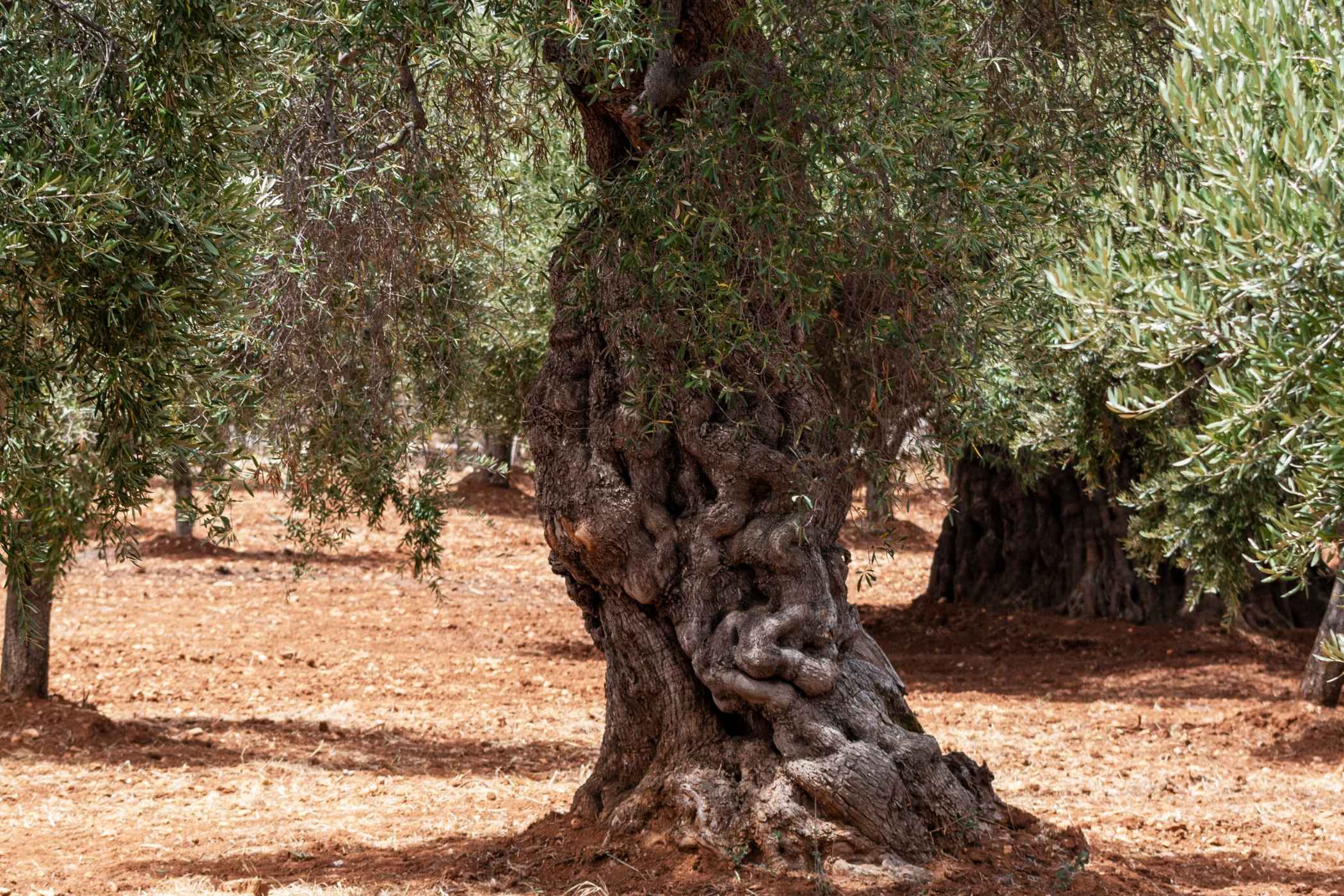
The thousand-year-old olive trees of Puglia are one of the region's most precious natural and cultural treasures. Concentrated mainly in the so-called “Piana degli Ulivi” (Olive Tree Plain), an area stretching between the municipalities of Ostuni, Fasano, Monopoli, and Carovigno, these ancient trees are living witnesses to a thousand years of history.
Some specimens can be over 3,000 years old, such as “Lu Matusalemme” in Borgagne, which is considered the oldest olive tree in Italy. These olive trees are not only symbols of longevity, but also a fundamental part of the Apulian landscape and culture, deeply linked to the production of extra virgin olive oil, which is recognized worldwide for its quality and tradition. To safeguard these natural monuments, the Puglia Region has established specific measures to promote censuses and protection. Exploring these centuries-old olive groves through dedicated itineraries offers an immersive experience of nature and history, making it a unique journey for those who love ancient nature and Mediterranean traditions.
Getting There
By train
To reach the heart of the Olive Tree Plain by rail, you can take a regional Trenitalia train along the Adriatic line directly to the stations of Monopoli, Fasano, or Ostuni. These stations sit just outside the historic towns, allowing you to easily book a local taxi, rent a bicycle, or catch a regional shuttle bus to reach the nearby rural estates and trailheads.
By car
Driving is the most flexible option for navigating the winding country lanes that connect the ancient groves. From the north, take the A14 Bologna-Taranto highway southbound to Bari, then continue along the SS16 state road toward Brindisi, taking the specific exits for Monopoli, Fasano, Carovigno, or Ostuni to dive straight into the monumental plain.
By bus
For regional public transit travelers, local intercity buses connect major coastal cities directly to the main squares of the plain's municipalities. From these town centers, many famous masserie and rural walking paths can be reached via short walking routes or local connecting transits.
Below you'll find the location marked on Google Maps. Click on it to open the location directly on your device's maps.
Useful Contacts
- Parco Naturale Regionale Dune Costiere (Protected Coastal Dunes & Olive Plain Authority):
- Website: parco-dunecostiere.it
- Viaggiare in Puglia (Official Puglia Regional Tourism Board):
- Website: viaggiareinpuglia.it
- Consorzio di Tutela Olio DOP Collina di Brindisi (Brindisi Olive Oil Protection Consortium):
- Website: oliodopcollinadibrindisi.it
What to Bring & Pro Tips
- Look into booking organized guided tours to discover not only the olive trees, but also the local culture, food and wine traditions, and typical landscapes of Puglia.
- Lace up a pair of sturdy, comfortable walking shoes or light hiking boots, as the numerous dedicated itineraries follow nature trails, old rural roads, and uneven sheep tracks.
- Bring a smartphone or a camera to capture the breathtaking, twisted trunks of these monumental trees up close, including famous spots like the Masseria Mozzone in Ostuni and the various “giants” of Fasano.
- Pack a wide-brimmed sun hat, high-SPF sunscreen, and a refillable water bottle, as walking through the open, sun-drenched olive groves offers very little shade during the middle of the day.
- Keep in mind that these ancient trees are strictly protected natural monuments, so visitors must stay on the marked paths and respect the local farming rules while exploring the groves.
- Plan your walking itinerary to include a stop at a local farm, allowing you to combine your nature trek with an authentic tasting of the world-famous Apulian extra virgin olive oil.
The “Hidden Gem”
Once you have finished walking through the ancient groves of Ostuni and marveling at the massive trunks of Fasano's botanical giants, take a short drive to explore the Dolmen di Montalbano.
Instead of heading straight back to the coastal resorts, follow the rural lanes near Fasano to find this spectacular prehistoric stone monument hidden quietly among the ancient olive trees. Dating back to the Bronze Age (around the 2nd millennium BC), this megalithic structure consists of a large flat stone slab perfectly balanced on top of vertical rock pillars, completely surviving thousands of years of human and natural history. Standing in front of this ancient burial altar, completely surrounded by the silver leaves of the surrounding groves, offers a wonderfully mystical and deeply moving historical break, rewarding travelers with a profound look at the sacred, prehistoric heart of the Apulian plain.
