

What You Need to Know: Useful Information
Modica is a Sicilian town located in the south-east of the island, in the province of Ragusa, beautifully nestled in a scenic landscape of hills and valleys characterized by lively Baroque architecture. The historic center, divided seamlessly into Modica Alta and Modica Bassa, winds through narrow streets, historic churches, and breathtaking panoramic views overlooking the valley. The town is famous worldwide for its chocolate, a traditional product that has deeply shaped its gastronomic and cultural identity.
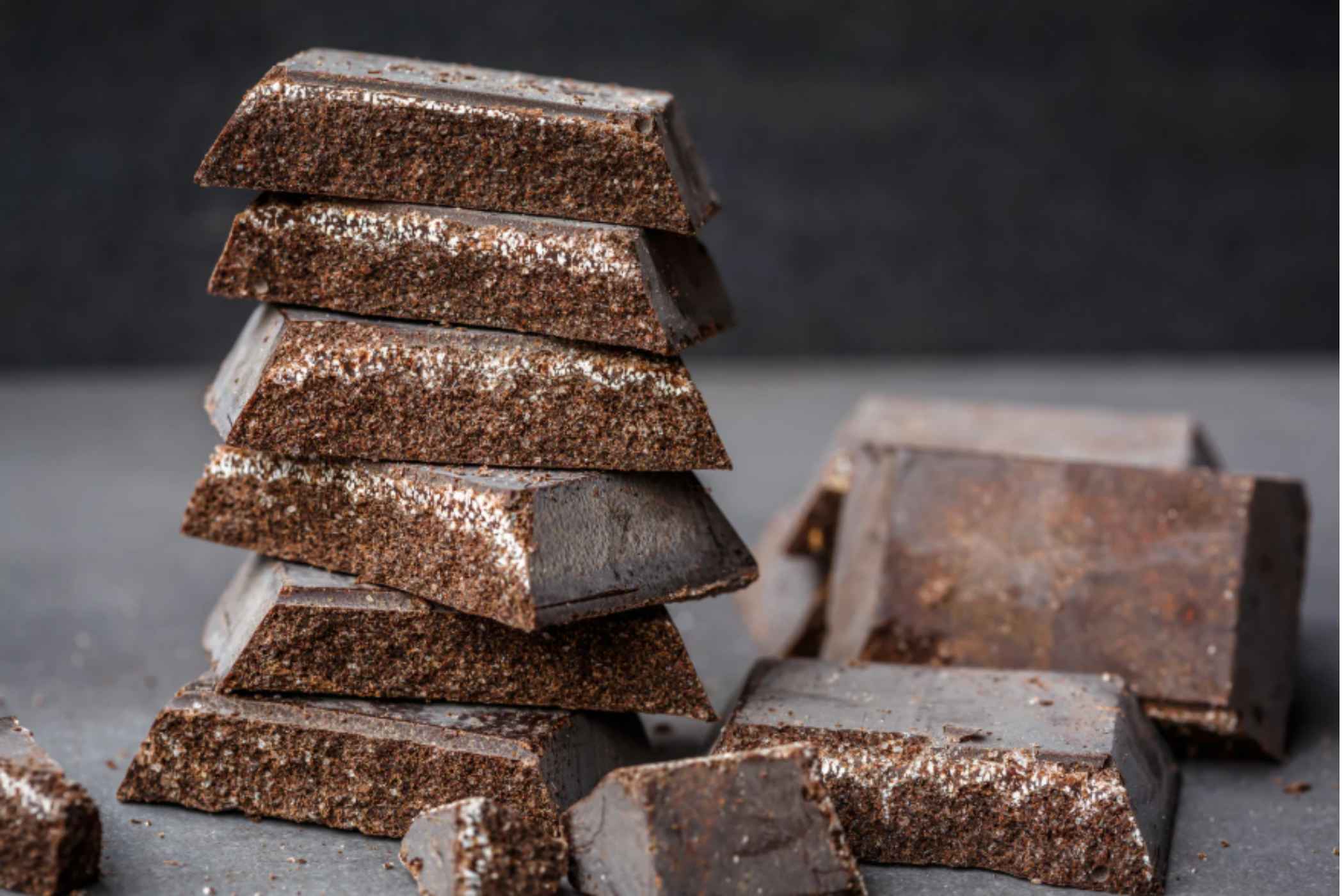
Modica chocolate is easily distinguished by its unique cold processing method: the cocoa paste is heated exclusively to low temperatures (never above 45°C, 113°F) and even the sugar is incorporated without melting completely. The result of this ancient technique is a chocolate bar with a rustic profile and a matt, grainy surface, where the intact sugar crystals can be distinctly felt on the palate. Since 2018, Modica chocolate has been strictly protected by the IGP (Protected Geographical Indication) mark, which legally guarantees its historic origin and rigorous production criteria.
Getting There
By train
To reach the Baroque valley by rail, you can take a regional Trenitalia train along the panoramic Syracuse-Ragusa line directly to the Modica railway station. The station is located in Modica Bassa, placing you just a short walk or quick local taxi ride away from the historic chocolate shops and major architectural sights.
By car
Driving offers incredible flexibility for exploring the rugged Val di Noto region. From Catania, take the E45 highway southbound toward Syracuse and Rosolini, then continue along the SS115 state road, which winds through dramatic mountain viaducts and drops you straight into the heart of Modica's valley layout.
By bus
For regional public transit travelers, intercity bus networks run by companies like AST and Interbus operate frequent daily schedules connecting the Catania Central Station and Catania Airport directly to Modica. These buses arrive at central terminals, making the artisan workshops very easy to reach on foot.
Below you'll find the location marked on Google Maps. Click on it to open the location directly on your device's maps.
Useful Contacts
- Consorzio di Tutela del Cioccolato di Modica (Official Modica Chocolate Protection Consortium):
- Website: cioccolatodimodica.it
- Comune di Modica – Ufficio Turismo (Modica Municipal Tourism Office):
- Website: comune.modica.rg.it
- Sicilia Turismo (Sicily Regional Tourism Board Portal):
- Website: visitsicily.info
What to Bring & Pro Tips
- Seek out historic shops and new chocolate factories in the artisan workshops, as many offer live demonstrations of traditional techniques showing manual grinding and cold processing.
- Take part in a guided tasting during your visit, which allows you to recognize the different percentages of cocoa, the aromatic nuances, and the variations with typical local ingredients.
- Wear comfortable walking shoes with good traction, as exploring both Modica Alta and Modica Bassa requires walking up and down steep, historic stone staircases and narrow cobblestone alleys.
- Bring a smartphone or camera to document the live chocolate-making demonstrations and the stunning, ornate facades of the local Baroque churches.
- Save plenty of room in your luggage and budget to buy a selection of authentic IGP bars, which make an excellent, shelf-stable cultural souvenir to share with loved ones back home.
- Keep your palate open to experimental infusions, as traditional Modica chocolate is frequently flavored with local Sicilian ingredients like chili pepper, sea salt, cinnamon, or citrus peel.
The “Hidden Gem”
Once you have finished feeling the unique sugar crystals melt on your palate and touring the historic chocolate factories, take a short walk to admire the majestic Duomo di San Giorgio (Church of Saint George).
Instead of staying entirely focused on the sweet treats in Modica Bassa, climb the monumental stone staircases up toward Modica Alta to stand in front of one of the absolute masterpieces of Sicilian Baroque architecture. Rising dramatically over the valley, this colossal 18th-century cathedral features an imposing, multi-tiered bell tower facade that looks like a magnificent stone crown reaching into the sky. To reach its grand portal, you must walk up a spectacular, sweeping flight of 250 steps bordered by lush, terraced Mediterranean gardens. Stepping inside its luminous, blue-and-gold nave to view its historic artwork and astronomical meridian line offers a wonderfully grand and awe-inspiring cultural break, rewarding travelers with a profound sense of the artistic rebirth that shaped this resilient Sicilian valley centuries ago.
