

What You Need to Know: Useful Information
The Cammino delle Cento Torri (Path of a Hundred Towers) in Sardinia is an epic coastal route that runs around the entire perimeter of the island for approximately 1,284 km. This massive loop is divided into eight major routes and 70 distinct stages, and it can be traveled flexibly in either a clockwise or counterclockwise direction. Among the most famous routes that travelers set out on are the Via degli Angeli (Way of the Angels), the Via delle Torri (Way of the Towers), and the Via del Sale (Way of Salt).
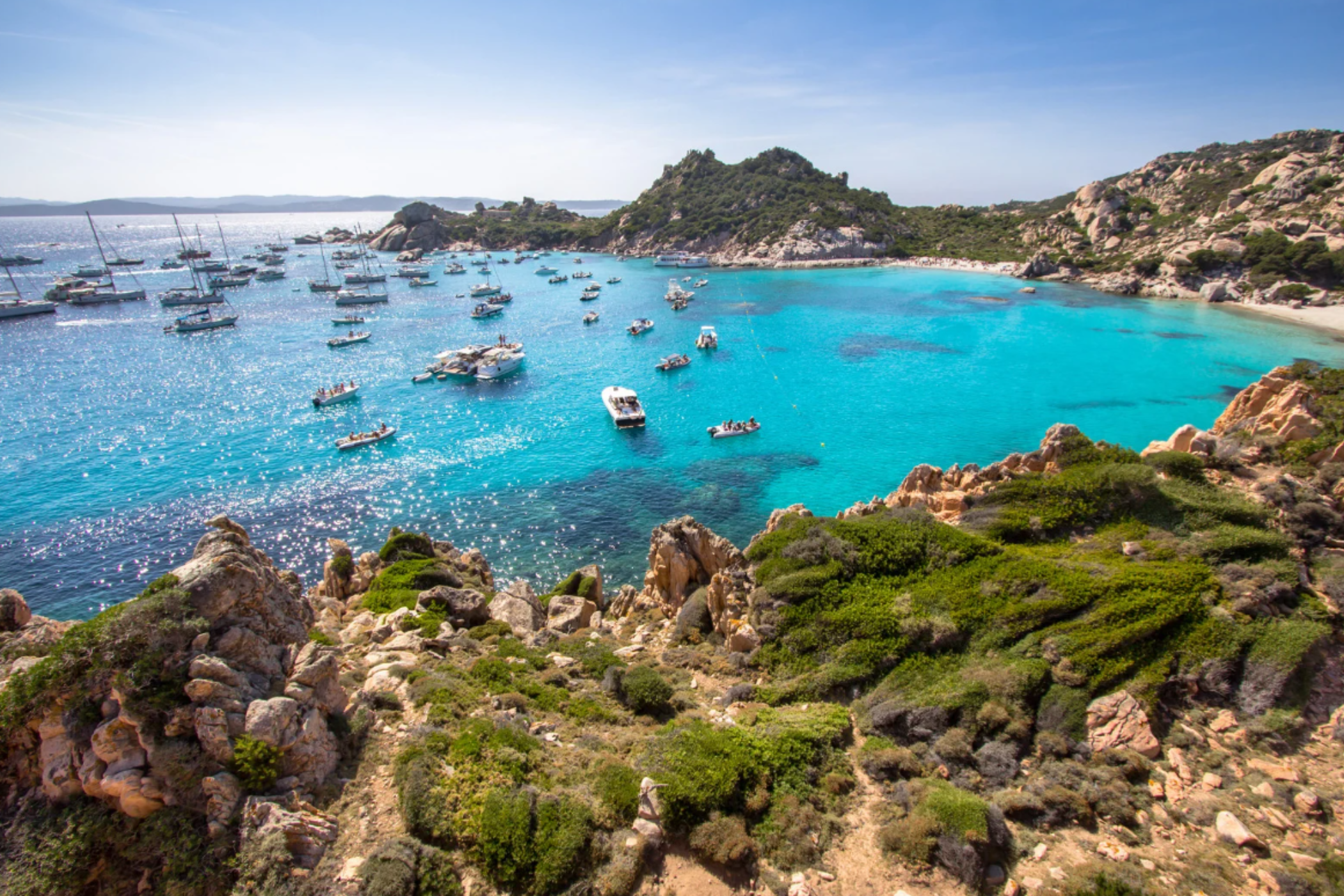
The trail seamlessly combines sandy coasts, rugged cliffs, steep promontories, and pristine nature reserves, passing through iconic coastal locations such as Cagliari, Villasimius, Cala Gonone, Gallura, and Asinara. Along the way, the path touches on historic coastal towers from different eras – including Spanish, Savoy, and Saracen structures – that permanently mark the history of the island's maritime defense and ancient navigation. While the route is primarily designed to be walked, many sections are also perfectly suitable for mountain biking, horse riding, or even kayaking along the coastal waterways.
Getting There
By train
To reach the major coastal hubs where the trail stages intersect, you can take a regional Trenitalia train directly to stations like Cagliari Centrale, Olbia, or Sassari. Cagliari and Olbia serve as excellent base camps where you can step off the platform and access the coastal path segments almost immediately on foot or via short local transit connections.
By car
Driving is an exceptional option if you want to customize your journey or access specific, isolated trailheads for day walks. From Cagliari, you can easily take the scenic SP17 coastline road toward Villasimius, or use the SS125 Orientale Sarda highway to reach the dramatic trail access points near Cala Gonone and the Gallura region.
By bus
For regional public transit travelers, the ARST transit network operates extensive daily bus routes that connect the main airport hubs and city terminals directly to smaller coastal villages and marine hamlets around the island. This makes hopping onto individual stages of the path highly accessible.
Useful Contacts
- Associazione Cammino delle Cento Torri (Official Path Registry & Trail Maps):
- Website: camminocentotorri.com
- Sardegna Turismo (Sardinia Regional Tourism Board Portal):
- Website: sardegnaturismo.it
What to Bring & Pro Tips
- Plan your stops well in advance, keeping in mind that many sections of this wild trail do not have frequent accommodation facilities.
- Check the season and weather conditions carefully before setting out, noting that summer can be very hot and the sun strong, making spring and autumn the absolute best times to visit.
- Consult the official guide or constantly updated maps for real-time information on trail variations and local refreshment points.
- Pack a sturdy pair of hiking boots and layered technical clothing to handle changing coastal weather and terrain that ranges from easy sand to exposed trails.
- Bring plenty of water to stay hydrated, as some areas along the coast are completely isolated.
- Pack essential trail gear including walking sticks to save your knees, a first aid kit, and a reliable power bank to keep your GPS devices fully charged.
- Hire a local guide, which is always highly recommended to ensure your safety on tricky sections and to provide interesting cultural information that enriches the experience.
- Assess the difficulty of each stage before lace-up; some legs are easy and suitable for day walks, while others require solid training and the ability to confidently navigate exposed paths.
The “Hidden Gem”
Once you have finished hiking past the historic Spanish towers and tracing the beautiful sandy coasts of the path, take a short detour to explore the enchanting Capo Testa peninsula in Gallura.
Instead of treating the northern stages as just a continuous walk, budget an afternoon to wander through this spectacular promontory linked to the mainland by a narrow isthmus. Capo Testa is a natural wonderland where the wind and sea have spent millions of years sculpting massive, smooth granite cliffs into otherworldly, giant shapes that look like sleeping animals and ancient sculptures. The area was prized by the Romans, who used it as a quarry for the colossal stone columns of the Pantheon in Rome, and you can still spot the ancient chisel marks on the rocks right by the water. Walking through the fragrant Mediterranean scrub to watch the sea crash against these giant granite structures—with the white cliffs of Corsica visible just across the strait—offers a wonderfully wild, vast, and awe-inspiring natural break, rewarding travelers with a look at a landscape where raw nature and ancient history meet in perfect harmony.
