

What It’s All About: The Experiential & Human Value
In Italy, the weekly market (il mercato) is not just a place to cross items off a shopping list – it is the beating heart of local civic life, a vibrant ritual that has been repeated for centuries with almost magical precision. Far away from the sterile, uniform shop windows of modern shopping malls, the street market reveals the most authentic, unfiltered face of Italy.
The most distinctive feature of this tradition is its itinerant, moving nature. In almost every city, town, or rural village, the market changes location from day to day according to a strict weekly calendar. This constant rotation cyclically transforms historic stone squares and neighborhood corners into lively, bustling gathering places, offering each area its own regular appointment with zero-kilometer freshness and local craftsmanship.
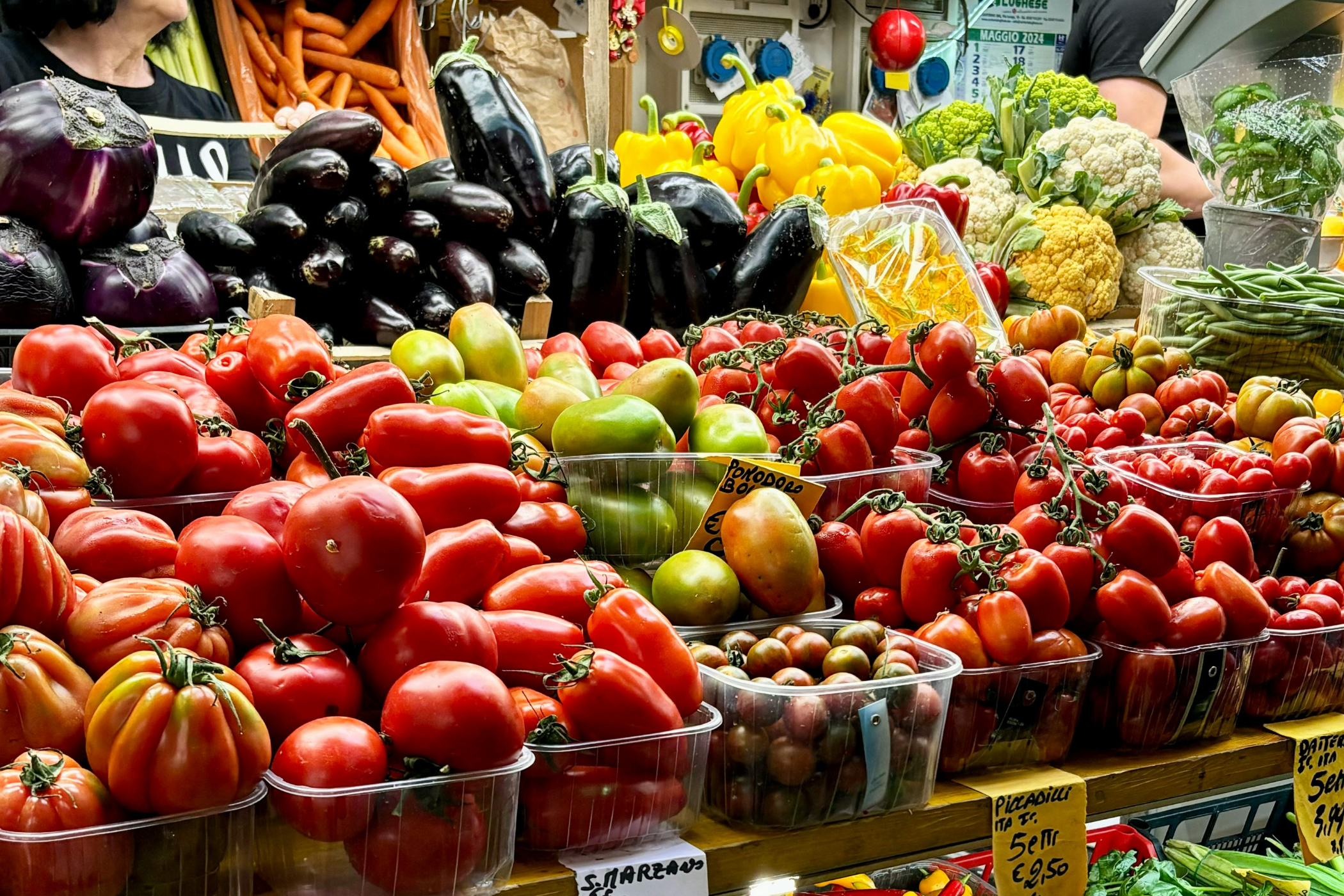
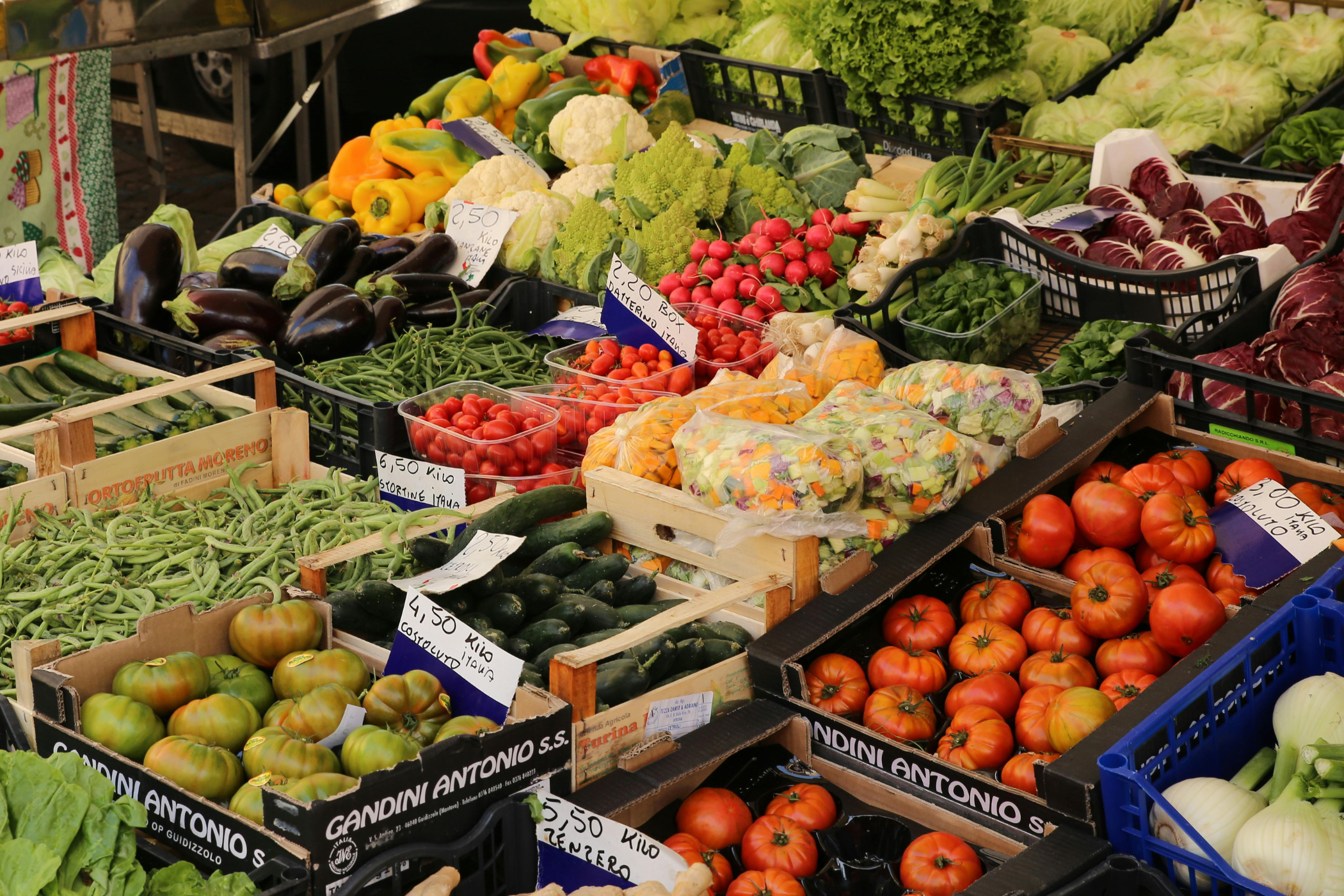
Strolling through the colorful canvas tents offers an incredible sensory journey. You will find handmade artisan treasures, traditional Italian clothing, household goods, and regional delicacies. The food sector, in particular, is a paradise for the senses: the intense aroma of wild aromatic herbs, the bright colors of seasonal fruit, and the bold flavors of typical cheeses – which vendors will frequently slice up on the spot for a quick, proud taste. Visiting an Italian market means taking a front-row seat in a lively open-air theater where human contact is the main event.
Look Up the Weekly Schedule
Because markets move every day, they don't have standard “store hours“. Ask your hotel concierge or apartment host: “Qual è il giorno di mercato?” (When is market day?). Show up early – usually between 8:30 AM and 11:30 AM is peak time when the selection is best. By 1:00 PM, vendors are already packing up.
Hands Off the Produce!
Remember: in an Italian street market, never touch the fruits or vegetables with your bare hands unless the vendor explicitly tells you to or hands you a plastic glove. Always ask the vendor to serve you, or point to what you want.
Cash is King (I contanti)
While digital payments are growing rapidly in permanent Italian shops, street market vendors vastly prefer cash, especially for small purchases like a single piece of cheese or a kilo of peaches. Carry small bills (€5, €10) and coins. Flashing a €50 note for a €2 bag of zucchini is a quick way to get a dramatic sigh from the seller.
Bring Your Own Tote Bag
Vendors will give you thin bags, but to handle heavy melons, cheeses, and clothing finds, bring a sturdy reusable tote bag (una borsa della spesa). It makes navigating the dense, chaotic crowds much easier.
The “Hidden Gem”
When navigating a market, look for the oldest vendor with the longest line of local grandmothers (le nonne).
Don't just go to the trendiest-looking stall with the prettiest signs. If you see a crowd of local seniors patiently waiting at a specific truck or counter, pull a ticket or join the queue. Italian grandmothers possess an encyclopedic knowledge of regional food quality and pricing. If they are willing to stand in line for a specific butcher, cheese monger, or porchetta vendor, it is an absolute guarantee that you are about to experience the absolute finest, most authentic flavors the entire region has to offer.
