

What It’s All About: The Experiential & Human Value
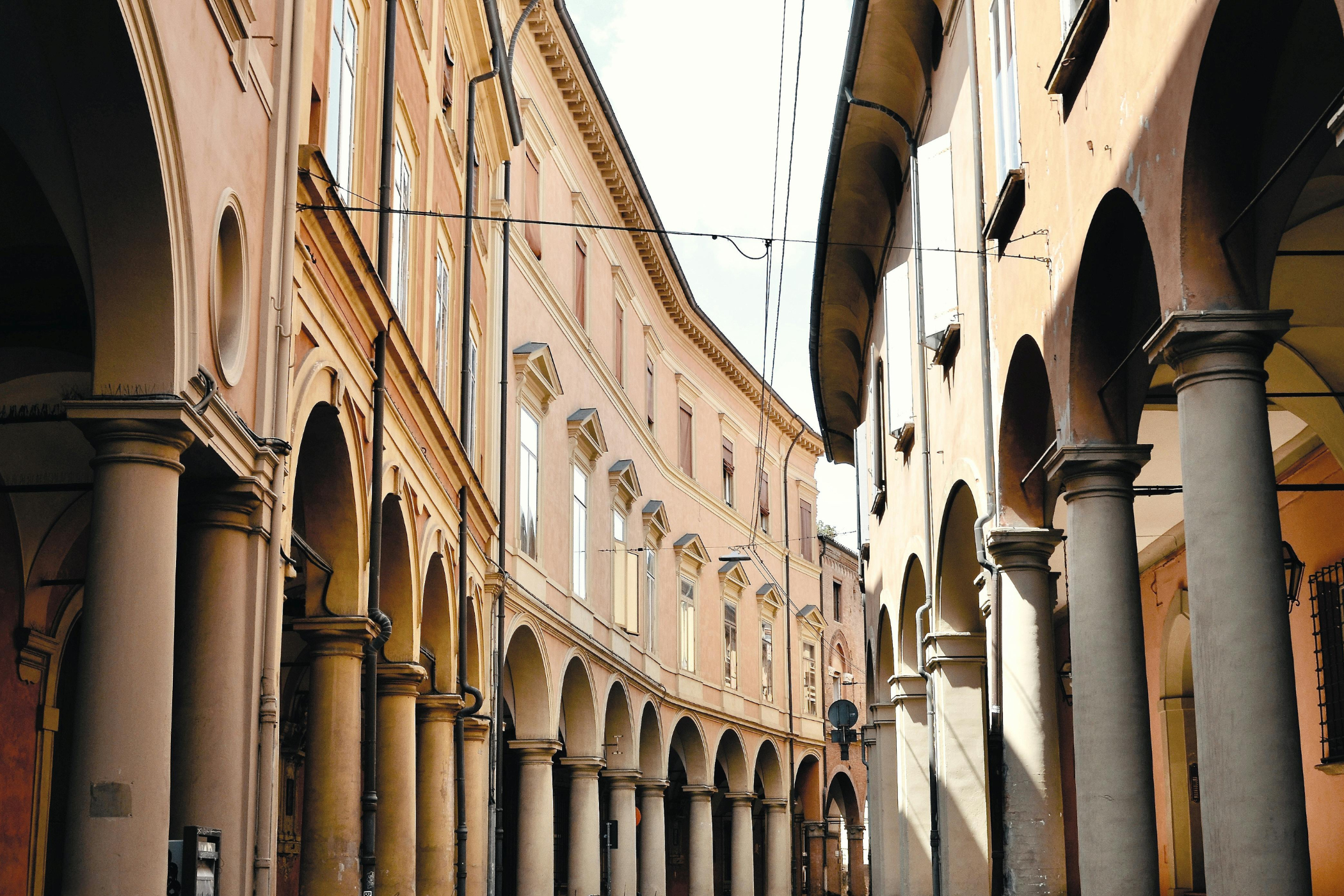
There is a profound, almost cinematic magic in letting yourself go and walking through Italy without a specific destination in mind. In a world dominated by rigid travel itineraries, bucket lists, and digital maps, the real luxury of Italian travel is the art of smarrirsi – deliberately losing yourself in the narrow, winding alleys of historic city centers, letting your footsteps dictate the pace.
In this state of aimless wandering, Italian towns and cities slowly reveal themselves layer by layer, peeling back centuries of human history. They offer breathtaking glimpses of hidden beauty that completely escape the frenetic, checklist-oriented pace of standard tourism. By putting away your phone, your eyes are suddenly freed to catch the smallest, most enchanting details: a secret garden lushly sprouting from the cracked frame of an old wooden doorway, or a small, candle-lit votive shrine nestled tenderly among the stones of a thousand-year-old wall.
Every single corner of an Italian historic center (centro storico) acts as an open invitation to curiosity. This pleasant bewilderment is exactly where the most exciting discoveries are made, simply because they were not aggressively sought out, but rather allowed to be found. Every medieval village and historic city of art transforms into a labyrinth of wonders, where the true reward is not arriving at a famous monument, but enjoying the sheer enchantment of every single meter traveled between the collective history and vivid imagination of the people who inhabited it.
Look for the Clues in the Names
Keep your eyes peeled for street plaques beginning with “Via dei…“ or “Via delle…“ followed by a plural word. This almost always indicates where medieval trade guilds operated. For example, Via dei Calzolai (Street of the Shoemakers), Via delle Fornaci (Street of the Kilns/Ovens), or Via dei Orefici (Street of the Goldsmiths). Spotting these allows you to visualize exactly what your surrounding neighborhood sounded, smelled, and looked like five hundred years ago.
Look Out for the “Vicolo Cieco” (Blind Alley)
Don't be startled if a charming, narrow path suddenly ends abruptly at a stone wall or someone’s private front door. You have stumbled into a vicolo cieco (a dead end). Instead of feeling frustrated that you have to turn around, take a moment to admire the absolute silence, look up at the potted geraniums on the balconies, and appreciate the fact that you have stepped entirely out of the tourist stream.
Put Your Smartphone in Your Pocket
It is incredibly easy to walk through Florence, Rome, or Venice with your eyes glued strictly to a GPS blue dot, recalculating the fastest route to a specific museum. Try setting a timer for just one hour, putting your phone on silent, and letting your eyes drift upward toward the roofs, the historical plaques, and the ornate window frames. You cannot truly get lost in an Italian city center; eventually, all alleys naturally spill back out into a main shopping street or a grand, familiar piazza.
Step inside the “Portone” (The Grand Main Door)
As you wander, you will pass massive, towering wooden or iron doors (portoni) built into the stone facades of ancient palaces (palazzi). Often, these heavy doors are propped slightly open during the day for mail carriers or residents. If it is appropriate, steal a quick, respectful glance inside. You will frequently discover jaw-dropping, hidden internal courtyards complete with marble fountains, Renaissance statues, climbing ivy, and quiet stone benches that are entirely invisible from the street outside.
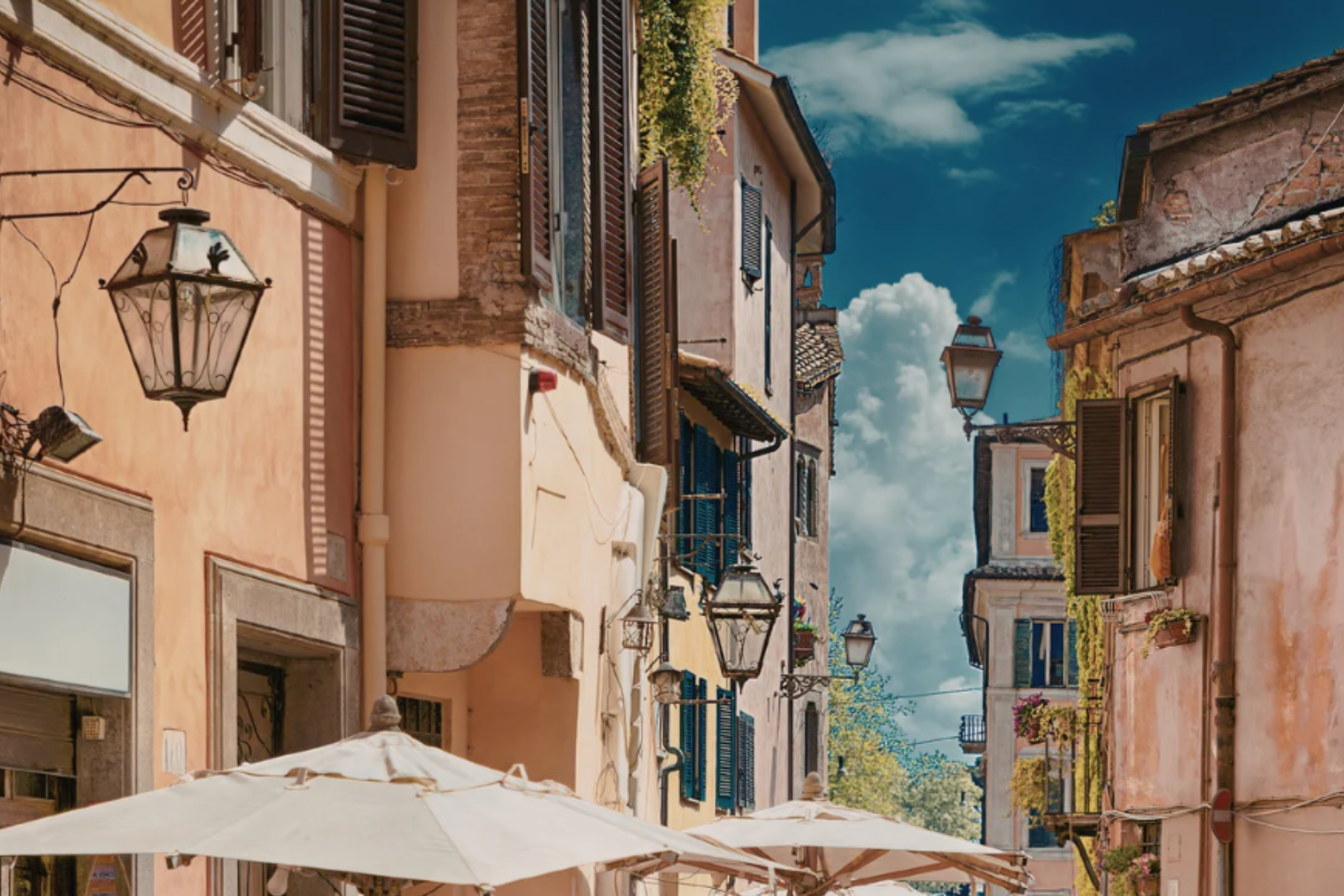
The “Hidden Gem”
When you find yourself completely turned around in a maze of quiet alleys, look for a tiny local “Alimentari“ (neighborhood grocery shop) or a neighborhood “Bar“.
Instead of pulling out your phone to fix your location, walk inside, order an espresso or a small bottle of water, and ask the person behind the counter for directions back to the main square. This brief moment of being beautifully lost gives you the perfect, authentic excuse to interact with a resident. They will usually smile, use an incredibly passionate series of theatrical hand gestures, and give you a series of directions that will not only get you back on track but leave you with a heartwarming, genuine human encounter to look back on.
