

What does cooking mean to Italians?
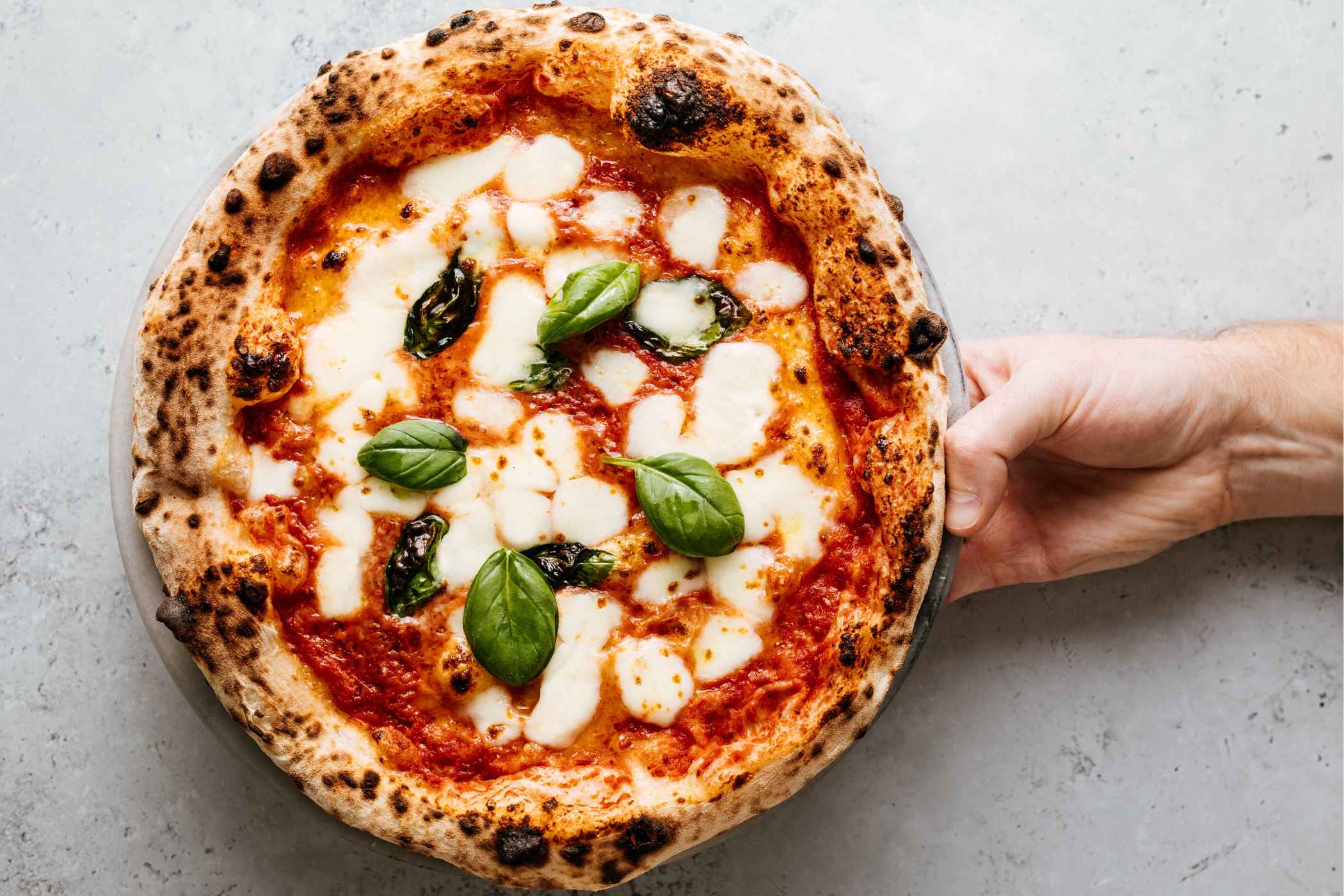
“Pizza, pasta, and mandolino!” it’s an old stereotype, but it highlights an undeniable truth: Italians are obsessed with food. Eating isn’t just about survival; it’s a sacred moment of connection and pride. Italians don’t just eat because they have to; they eat because it’s a pleasure, and they are notoriously critical of anyone who does it differently.
Are Italians attached to food tradition?
In Italy, the ultimate seal of quality is the phrase “ricette della nonna” (grandma’s recipes). It evokes the childhood memory of walking into a kitchen filled with the aroma of slow-cooking tomato sauce or fresh biscuits in the oven. This is why you’ll still see signs outside local trattorias that say “Cucina Casalinga“ (Home Cooking). It’s a promise to the customer: “We might be a restaurant, but we cook with the same heart and soul as a 1950s Italian home“. But while we still love to eat this way, we are starting to forget how to make it ourselves.
Do Italians spend a lot of time cooking?
In the past, especially in agricultural areas, the end of summer was a season of intense labor and community.
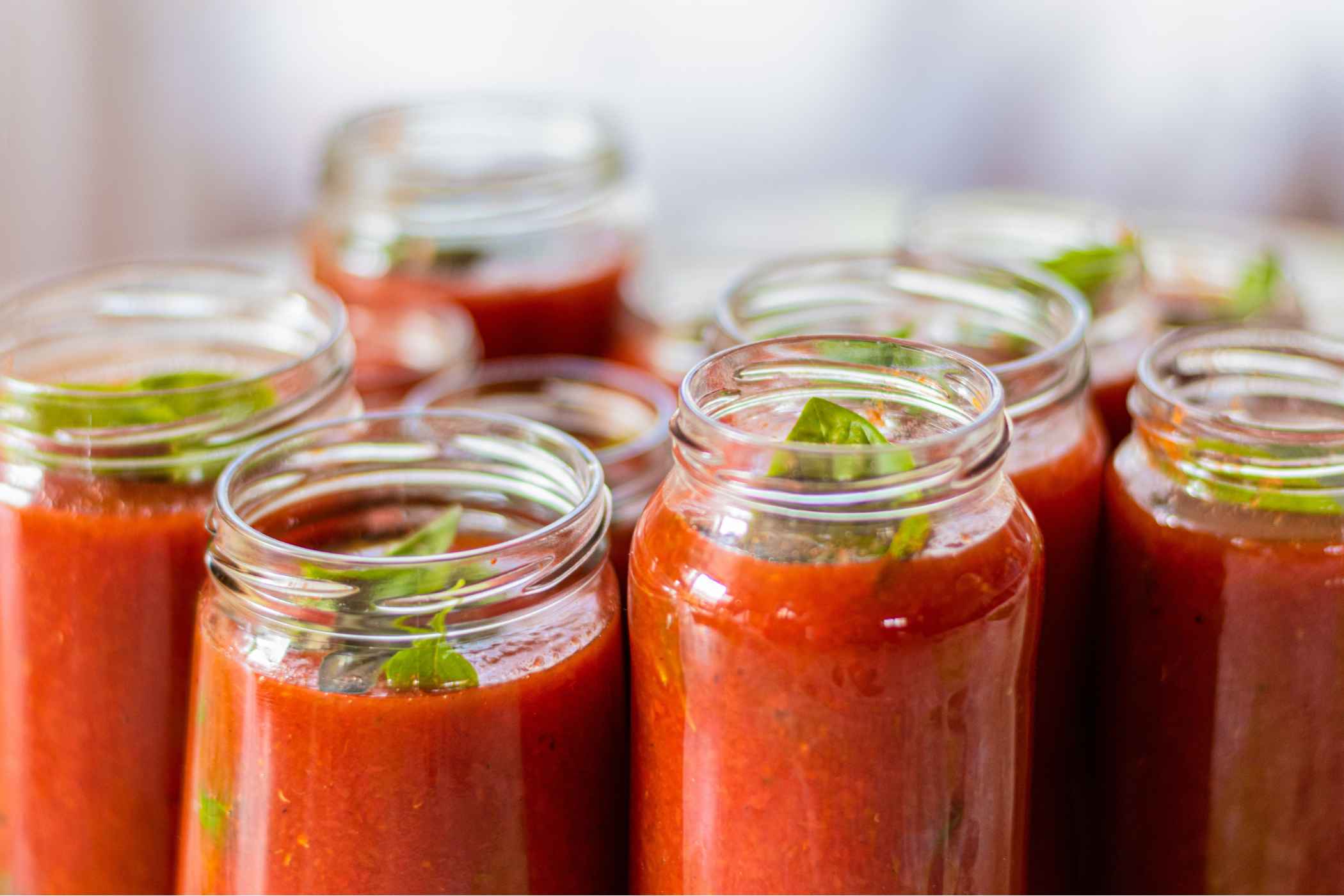
- The Tomato Sauce Marathon: When tomatoes reached peak ripeness, families would spend entire days boiling, bottling, and sealing sauce. These jars would line the pantry shelves, providing a “winter stash” of summer flavor that no store-bought can could ever match.
- The Jam Sessions: Making jam wasn’t a hobby; it was a necessity. It was the only way to use up surplus fruit before it spoiled. Today, most modern Italian gardens have beautiful flowers and manicured bushes, but very few tomato plants or overflowing fruit trees.
Is cooking a collaborative effort for Italians?
Perhaps the biggest shift has been in winemaking. While Italian wine is more famous than ever, the “vino di casa” (house wine) tradition is fading. September used to be defined by the vendemmia (grape harvest). It was a time of hard work mixed with laughter, where friends and neighbors gathered to pick grapes that would eventually ferment in the family cellar. It was a communal event filled with snacks, jokes, and the anticipation of drinking something you produced with your own hands. Today, winemaking has been almost entirely handed over to professionals.
Are traditions still alive in Italian cuisine?
The problem isn’t that these foods are disappearing – you can find amazing jam, sauce, and wine in any Italian supermarket. The problem is that we are losing the rituals that surrounded them. We no longer have the time (or perhaps the patience) to spend a weekend peeling fruit or bottling sauce. It’s a bit of a tragedy. After hearing about these old ways, you might feel a sudden urge to buy ten pounds of apricots and start a fire under a copper pot. But if your next thought is, “Actually, it’s easier to just buy a jar so I can eat it right now,” then you understand exactly why these traditions are slipping away.
Loved this episode?
Turn it into practice.
Get the full transcript and a set of comprehension questions, the perfect way to take your Italian listening skills to the next level.
Click here to download the PDF