

GEOGRAPHICAL INFORMATION
Italy's geography is one of the keys to understanding why the country is so diverse. From north to south, the landscape changes constantly, often within a few hours' travel.
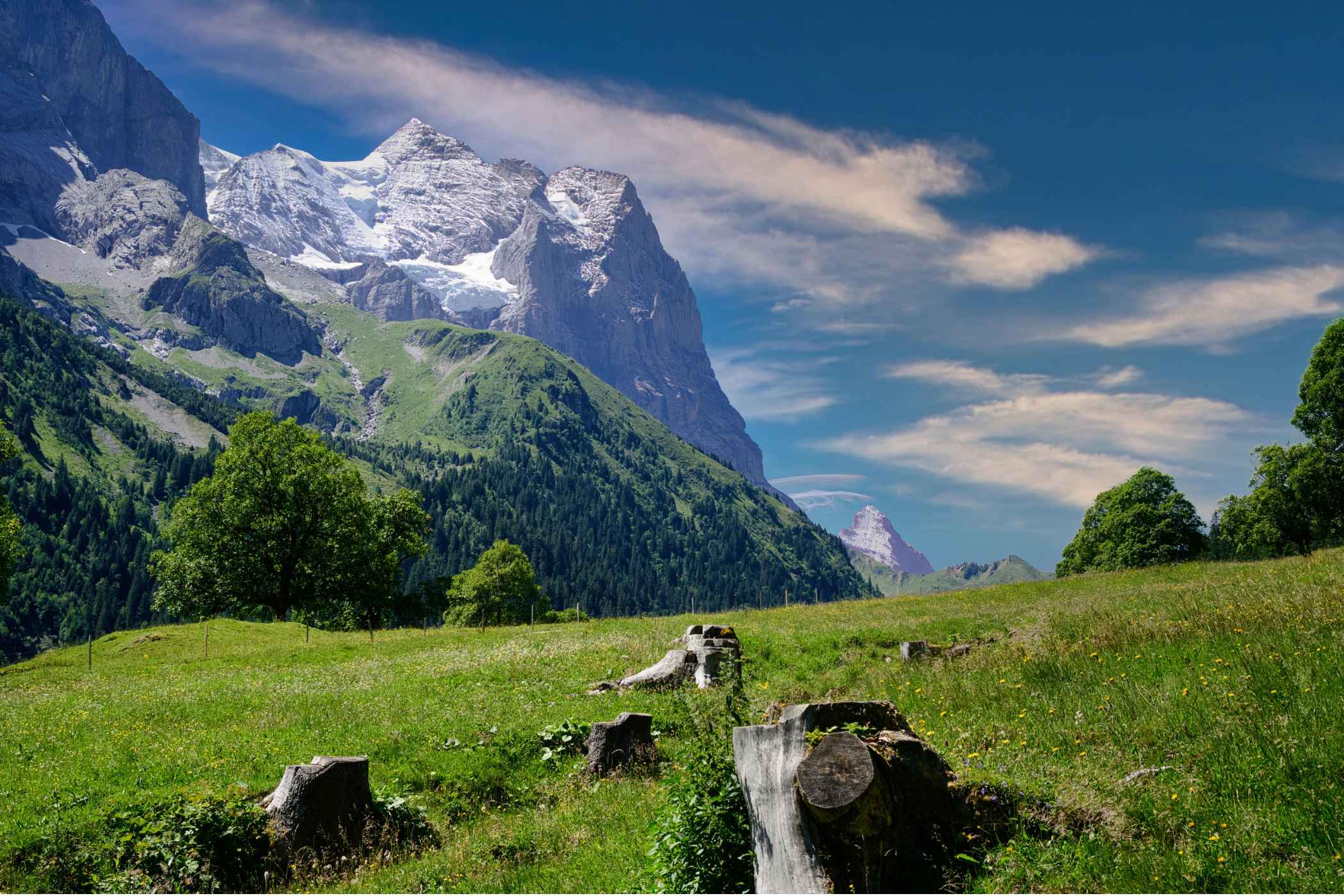
In the north, the Alps form a natural border with France, Switzerland, Austria, and Slovenia. These mountains influence the climate, architecture, food traditions, and even daily rhythms. In some cases, even the language!
Moving south, the Alps give way to the Apennines, a long mountain range that crosses the country to Calabria. Between the mountains are plains, hills, vineyards, lakes, and coastlines, creating a mosaic of environments rarely found in such a compact space.
Italy is surrounded by water on three sides, with the Adriatic Sea to the east, the Tyrrhenian Sea to the west, and the Ionian Sea to the south. The sea has always played a central role in Italian history, influencing trade, cuisine, and cultural exchanges. Sardinia and Sicily, the two largest islands, are not mere peripheral appendages, but worlds unto themselves, with distinct identities deeply rooted in geography.
CLIMATE AND SEASONS
Italy has four distinct seasons, but they are experienced very differently depending on where you are.
In general, northern Italy has colder winters and more pronounced seasonal changes. Winters can be foggy in cities such as Milan and Turin, snowy in the mountains, and humid in the plains. Summers are often hot and humid, particularly inland. Central Italy enjoys a more balanced climate, with hot summers, mild winters, and long springs and autumns, which are often ideal for traveling.
Southern Italy and the islands have a Mediterranean climate: long, hot summers and short, mild winters. The summer heat can be intense, especially in cities, while coastal areas benefit from sea breezes. Winter rarely brings extreme cold, but rainfall is more frequent during these months.
Understanding temperature variations based on location and season is essential, particularly when embarking on long journeys to diverse destinations.
CURRENCY
Italy uses the euro (€), which is the official currency throughout the country. Prices are clearly marked and include taxes, so the amount you see is the amount you pay.
Credit and debit cards are widely accepted, especially in cities, hotels, restaurants, and larger stores. However, cash still plays an important role in everyday life. Small bars, bakeries, markets, taxis, and family-run businesses may prefer cash, and it is common to encounter minimum spending requirements for card payments. Carrying small amounts of cash is practical and often necessary.
ATMs are widespread and generally reliable, though they may be less frequent in small towns or rural areas. So it's always good to be prepared for any eventuality.
ADMINISTRATIVE DIVISION
Italy is organized into 20 regions, but these are far more than administrative lines on a map. Regional identity is the heartbeat of the country, dictating everything from culinary traditions to local dialects. Each region operates with its own government and capital city – such as Florence for Tuscany or Palermo for Sicily – while Rome serves a dual role as both the national capital and the capital of the Lazio region.
On a local level, the Mayor (sindaco) is the most visible authority. Directly elected by the people, mayors manage the practicalities of daily life: from waste management and local police to cultural events and traffic regulations. Because of this local autonomy, rules and rhythms can vary significantly from one town to the next, even within the same province.
At the national level, Italy is a parliamentary republic. While the President of the Republic acts as a neutral guarantor of the Constitution, executive power is held by the Government, led by the Prime Minister. This political landscape is further made unique by the presence of two sovereign enclaves entirely surrounded by Italian territory:
- Vatican City: Located within Rome, it is an absolute monarchy and the spiritual center of the Catholic Church.
- San Marino: Nestled between Emilia-Romagna and Marche, this is the world’s oldest republic (founded in 301 AD) and remains a fully independent democracy.
For travelers, these “countries within a country” offer a rare geopolitical experience, where you can cross international borders without ever leaving the geographical “boot” of Italy.
LANGUAGES IN ITALY
Italian is the official language of the country and is spoken and understood everywhere. However, the linguistic reality of Italy is much richer than many visitors expect.
In some areas, languages other than Italian are officially recognized and widely used. In South Tyrol, in the far north, German is spoken by a large part of the population and appears on road signs, in official documents, and in everyday life. In some parts of the Aosta Valley, French is co-official and historically rooted in the local culture. Along the eastern border, particularly in Friuli Venezia Giulia, Slovenian is spoken by minority communities.
In addition to these officially recognized languages, Italy is famous for its dialects or, more precisely, its regional languages. These are not simply accents or variants of Italian, but linguistic systems with their own grammar, vocabulary, and history.
Today, standard Italian is used in schools, the media, and formal contexts, while dialects often appear in family life, informal conversations, and local expressions. You may hear Italians switch naturally between Italian and dialect depending on the context, or use dialect words even when speaking Italian.
English is commonly spoken in large cities and tourist areas, but less so in smaller towns. Learning a few basic phrases in Italian is always useful and, above all, allows you to grasp these unique linguistic nuances that will help you understand what is standard Italian and what is regional dialect. Knowing Italian adds that extra touch to your experience!
EVERYDAY LIFE IN ITALY
Italian culture prioritizes balance, social connection, and shared moments, all of which dictate the country's daily rhythm.
Dining Rituals: Meals are the cornerstone of Italian life. Breakfast is typically a quick coffee and pastry consumed before 10 a.m. While lunch and dinner times vary by latitude – starting around 12:30 p.m. and 7:30 p.m. in the North, and shifting closer to 1:30 p.m. and 9:00 p.m. in the South – they are always unhurried affairs. In restaurants, tipping is not standard; instead, you will pay a “coperto“, a small fixed cover charge that includes bread and service. Note that bottled water is the norm, as asking for tap water is uncommon.
Schedules and Holidays: Business hours often include a mid-day break (pausa) from 1 p.m. to 3 p.m. Many shops and restaurants close on Sundays and Mondays, so checking hours online is essential. Beyond major holidays like Christmas and Easter, Italy observes unique dates:
- Epifania (Jan 6): The feast of the Befana.
- Pasquetta: Easter Monday, traditionally for outdoor picnics.
- Liberation Day (Apr 25) & Labor Day (May 1): National secular holidays.
- Republic Day (Jun 2): Celebrating the birth of the modern state.
- Ferragosto (Aug 15): The peak of the summer vacation season.
- Patron Saint Days: Each city closes on the specific day of its local saint.
Social Etiquette and Style: Italians value expressive communication; gestures and lively tones are signs of engagement, not conflict. A simple “buongiorno“ or “buonasera“ is mandatory for any polite interaction. While punctuality is expected in professional settings, social time is more “elastic” – presence and conversation always take precedence over speed.
Public squares (piazze) act as shared living rooms for strolling and socializing. Regarding attire, while fashion is iconic, practicality depends on the region's varied climate. However, one rule is universal: modest dress is required in churches. Always ensure your shoulders and knees are covered before entering a place of worship.
TRANSPORTATION IN ITALY
Italy’s transportation network is efficient and well-integrated, though navigating it requires a bit of foresight regarding local rules and validation.
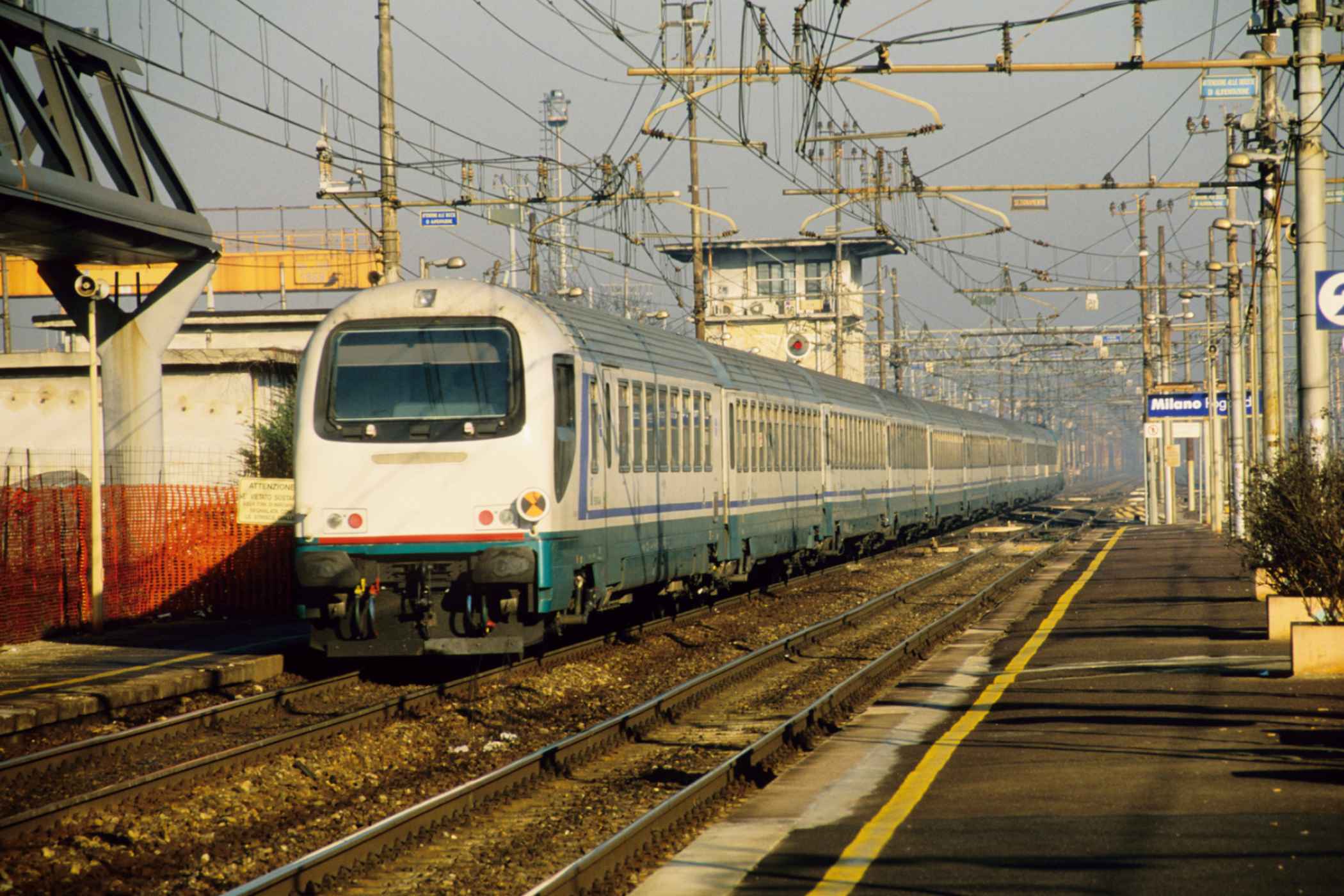
The rail system is the primary way to move between regions. High-speed trains connect major hubs like Milan, Rome, and Naples, often outperforming domestic flights in speed and comfort. Regional trains are slower and more affordable, serving as the essential link to smaller towns.
- Crucial Rule: You must validate paper tickets in the yellow or green machines before boarding. For digital tickets, an online “check-in” is often required. Failure to do so results in heavy on-the-spot fines.
In major cities, metros and trams are common, while smaller towns rely on buses. Tickets must be purchased in advance at metro stations, ticket machines, or local tobacconists (tabaccai). Renting a car is ideal for rural exploration in regions like Tuscany or the Dolomites, where public transit is sparse. Please, notice:
- The ZTL Warning: Most historic centers are Restricted Traffic Zones (ZTL). Entering these by car without a permit will trigger automated fines.
- Pedestrian Culture: Italian city centers are compact and designed for walking. It is the most practical way to explore historic districts where vehicle access is limited.
For coastal gems and islands like Sicily or Sardinia, ferries and hydrofoils are essential and offer some of the most scenic views of the journey. While generally reliable, the system rewards those who plan ahead. Be mindful of occasional strikes (scioperi) and less frequent schedules in rural areas. By understanding the specific rules of each transport mode, you can move through Italy with ease.
PRACTICAL TIPS AND EMERGENCY SERVICES
One thing to know is that in Italy, it is easy to find pharmacies open for any type of problem. Pharmacies are easily recognizable by the green cross outside the sign. They are open all week from Monday to Friday, generally from 8 a.m. to 8 p.m. They are closed in the evening and on Sundays, but you can check online or on a special notice board outside pharmacies to see which ones are open on closing days. In fact, pharmacies take turns and alternate in opening in the evenings and on Sundays.
As for electricity, Italy uses a higher voltage than the United States, and the power outlets have a different shape. Travelers will need both a plug adapter and, for some devices, a voltage converter. Many modern electronic devices such as phones and laptops are dual voltage, but it is always a good idea to check the labels before plugging them in.
Wi-Fi is widely available in hotels, cafes, and public spaces. Purchasing a local SIM card or using an eSIM is often the most convenient option for travelers who rely on maps, transportation apps, and online reservations.
These practical details may seem minor, but they affect everyday comfort. Taking care of them in advance allows visitors to navigate Italy with confidence and enjoy their trip without unnecessary interruptions. Don't be alarmed if you don't get good reception in some areas, because this is normal: in some inland and rural areas, telephone reception is poor.
Now let's talk about all the emergency numbers, so we'll be prepared for any situation.
The most important number to know is 112. This is the single European emergency number, similar to 911 in the United States. When you call 112, you will be connected to an operator who will assess the situation and send the appropriate service: police, ambulance, fire department, or other emergency responders. Operators are usually able to provide assistance in English.
That said, Italy also has specific emergency numbers for different services, and understanding their roles helps clarify how the system works.
Italy has more than one police force, each with distinct responsibilities.
The Polizia di Stato (State Police) is responsible for general public safety, crime prevention, and investigations. If you are the victim of theft or assault, or need to file a report, the Polizia di Stato is generally the appropriate authority. Their specific emergency number is 113.
The Carabinieri are a national military police force with civil duties. They perform both police and armed forces functions. Carabinieri stations are also found in small towns and rural areas where other police forces may not be present. They deal with everything from crime and public order to administrative matters and emergencies. For visitors, the Carabinieri are often the most accessible point of contact outside of large cities. Their emergency number is 112, which connects directly to them.
The Municipal Police operate at the city or municipal level. They are responsible for local regulations, traffic control, parking, and municipal ordinances. If you receive a parking ticket, enter a restricted traffic zone (ZTL), or need help with a local issue, this is usually the authority to contact. They are not typically contacted for serious crimes or emergencies.
The Vigili del Fuoco are Italy’s fire brigade and emergency rescue service. They respond to fires, car accidents, building collapses, floods, and other rescue situations. They are highly trained and often assist in emergencies beyond fire-related incidents. Their emergency number is 115, though again, 112 can be used to reach them.
Medical emergencies are handled by the public healthcare system. The emergency number is 118, which dispatches ambulances and coordinates urgent medical care. In many regions, calling 112 will automatically redirect the call to medical services if necessary.
Ambulances are operated by qualified professionals and volunteers. Emergency rooms are available at hospitals throughout the country. Emergency care is provided regardless of nationality, although visitors may be charged for services. U.S. travelers are strongly advised to purchase travel health insurance.
Now you have all the information you need to get off to a good start! Are you ready to discover the incredible experiences you can have in Italy? Be warned, you'll want to pack your bags and leave immediately.
