
What You Need to Know: Useful Information
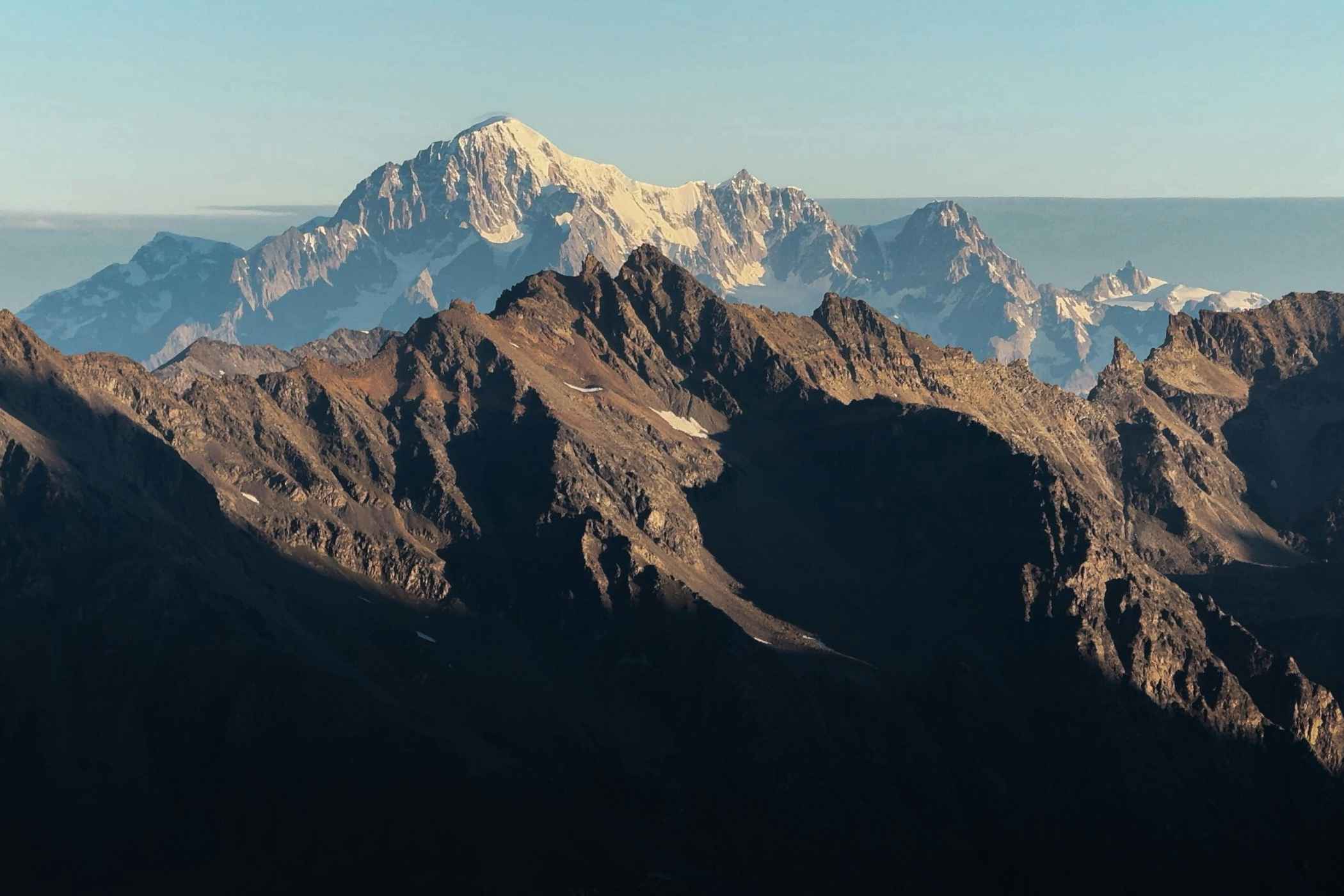
The Via Francigena is one of Europe’s most legendary pilgrimage routes, a path that has carried travelers from Canterbury to Rome since the Middle Ages. In the Aosta Valley, this historic trail enters through the high-altitude Great St. Bernard Pass (2,450m), winding past Roman ruins and medieval castles. For a truly epic adventure, we recommend a five-stage trekking approach that begins in the wild Val di Rhêmes. This route connects the untouched wilderness of the Gran Paradiso National Park with the spiritual history of the Francigena, passing through the iconic village of Cogne and the majestic castles of Aymavilles and Saint-Pierre before reaching the historic mountain pass.
Getting There
By Car:
- To start your trek in Val di Rhêmes, take the A5 Highway and exit at Aosta Ovest/Saint-Pierre. Follow the SR24 to Rhêmes-Notre-Dame. For the return trip from the finish point at the Great St. Bernard Pass, you can use the SS27.
By Train:
- The central hub for this entire area is the Aosta station. While trains don't reach the high mountain passes, Aosta serves as the perfect base to catch connecting buses to the start and finish lines. Check schedules at Trenitalia.com.
By Bus:
- To the Start: From Aosta, take the Arriva/SAVDA bus to Rhêmes-Notre-Dame.
- From the Finish: Regular bus service connects the Great St. Bernard Pass back down to Aosta during the summer months (July–September).
- Pro-Tip: Download the VDA Transport app. Mountain weather and seasonal changes can affect bus frequency, so real-time updates are a lifesaver.
Below you'll find the location marked on Google Maps. Click on it to open the location directly on your device's maps.
Useful Contacts
This is a multi-day trek. For safety and trail conditions, always consult with local experts before setting out:
- Aosta Regional Tourism Office: +39 0165 236627 | [email protected]
- Mountain Guides Association (Aosta): +39 0165 44448 | [email protected]
What to Bring & Pro-Tips
- The Pilgrim's Credential: If you plan on walking the official Via Francigena sections, buy a “Credential” (pilgrim passport). It allows you to collect stamps along the way and access special pilgrim rates at designated hostels.
- Layering is Essential: You will be traveling from lush valley floors to high-altitude passes where snow can linger even in July. Pack moisture-wicking base layers, a warm fleece, and a high-quality waterproof jacket.
- Hydration: Bring a reusable water bladder or bottle. The Aosta Valley is famous for its “Fontanili” – public fountains with ice-cold, drinkable mountain water.
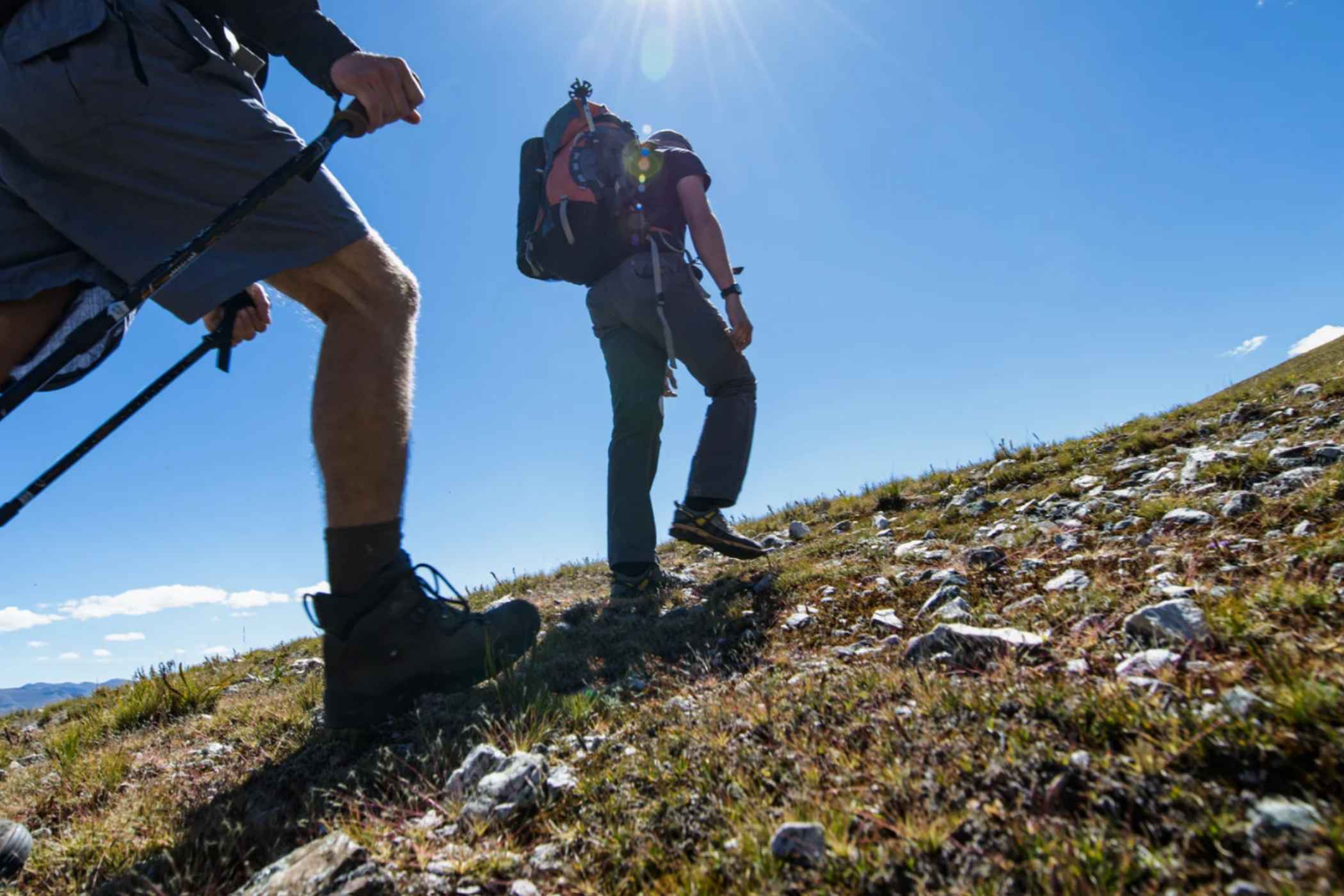
- Footwear: Do not attempt this in sneakers. Broken-in, waterproof hiking boots with ankle support are mandatory for the rocky terrain between Val di Rhêmes and Cogne.
Safety & Trail Etiquette
- Check the Weather: High-altitude storms move fast. Always check the Valle d'Aosta Weather Bulletin the morning of each stage.
- Wildlife Respect: You are in the Gran Paradiso National Park. It is very likely you will see Ibex or Chamois. Keep your distance, stay on the marked trails, and never leave trash behind.
- Know Your Limits: This 5-stage trek involves significant elevation gain. Ensure you are physically prepared for 5–7 hours of walking per day.
The “Hidden Gem“
Before you officially join the Via Francigena at the Great St. Bernard Pass, visit the Hospice of St. Bernard. Founded in the 11th century to rescue travelers, it is still a place of hospitality today. The true “gem” here is the ancient library and the museum, which houses Roman artifacts found on the pass. If you visit in the summer, you can meet the world-famous Saint Bernard dogs in their original home – a heartwarming reward after days of trekking!