

What You Need to Know: Useful Information
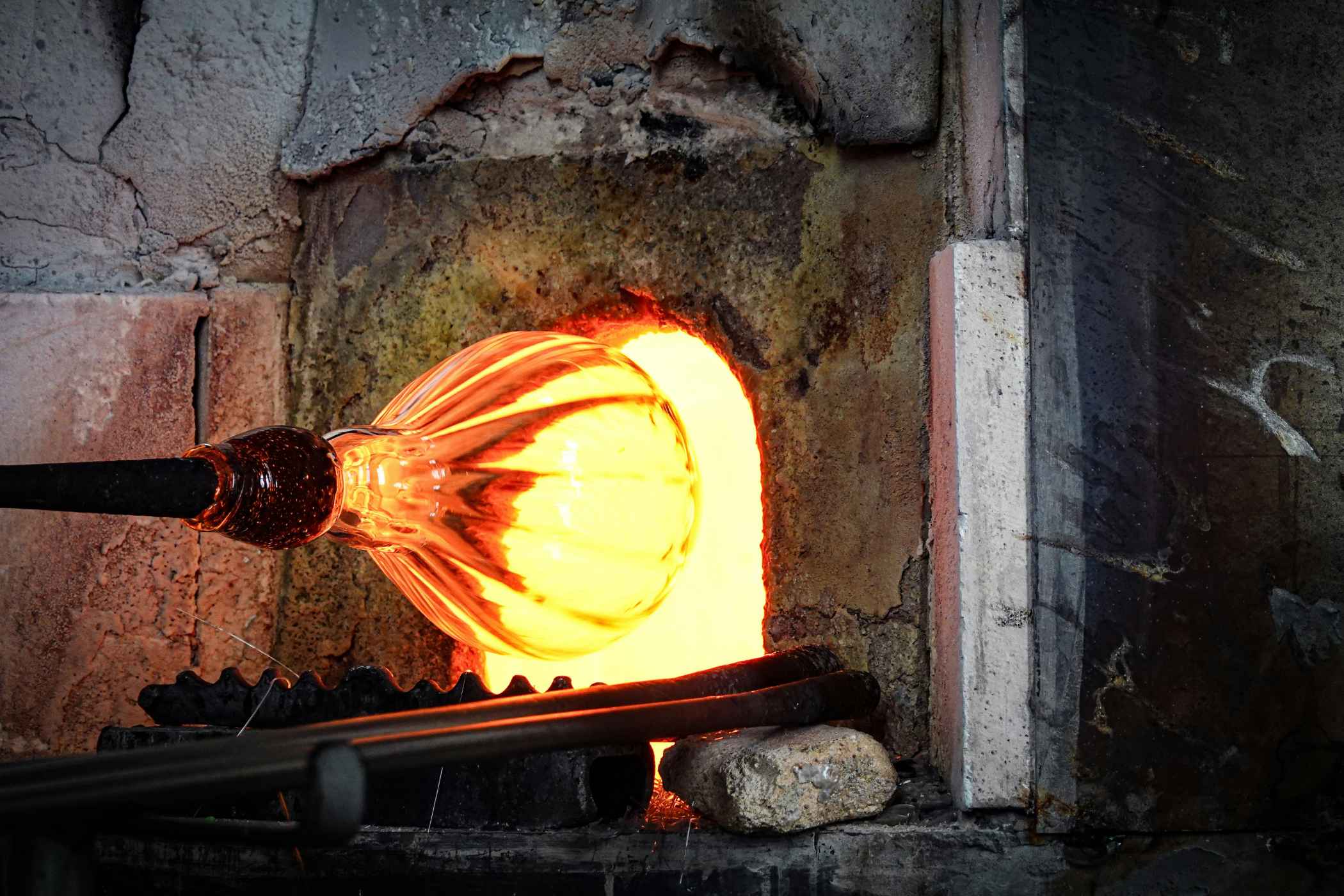
Just a few kilometers across the shimmering Venetian lagoon lies Murano, a historic cluster of islands globally renowned for a single, magnificent obsession: glassmaking. While Venice built its empire on maritime trade, Murano forged its legacy in fire. Since the 13th century, this island's artisans have guarded closely held secrets of chemistry and craftsmanship, developing unique, highly refined techniques that transformed utilitarian glass into breathtaking works of high art. Today, it remains the ultimate global capital for masterfully blown art glass.
Getting There
- By Vaporetto (Public Water Bus): From central Venice, the easiest route is to head to the Fondamente Nove northern embankment and hop on the Line 4.1 or 4.2 vaporetti, which drop you at the Murano Colonna or Murano Faro stops in under 10 minutes. Alternatively, you can catch Line 3 directly from the Santa Lucia train station or Piazzale Roma.
- By Water Taxi: For a private, luxury arrival directly to a specific factory dock, you can hire a classic wooden motorboat (motoscafo), though this option carries a much higher price tag.
Below you'll find the location marked on Google Maps. Click on it to open the location directly on your device's maps.
Useful Contacts
- Murano Glass Museum (Museo del Vetro): +39 041 739586
- Official Trademark Verification: Vetro Artistico® Murano Consortium
What to Bring & Pro-Tips
- Wear comfortable, closed-toe walking shoes. The furnace rooms generate intense heat, and walking along the stone canals requires sturdy footwear. Bring a lightweight backpack to securely carry small, safely wrapped purchases.
- Most large foundries will happily ship your fragile purchases (like chandeliers or large sculptures) worldwide with specialized, insured art couriers. Let them handle the packing – it is far safer than trying to fit a delicate masterpiece into an airplane overhead bin.
The “Hidden Gem“
While most tourists gather along the busy Fondamenta dei Vetrai, take a short walk to the quieter, eastern side of the island to visit the Church of Santa Maria e San Donato. Founded in the 7th century, this Romanesque masterpiece features a breathtaking, intricate 12th-century Byzantine mosaic floor depicting mythical beasts and geometric waves. Behind the main altar, look closely to spot four giant, prehistoric whale bones hanging on the wall—local legend once claimed they belonged to a dragon slain by Saint Donatus himself.
