

What You Need to Know: Useful Information
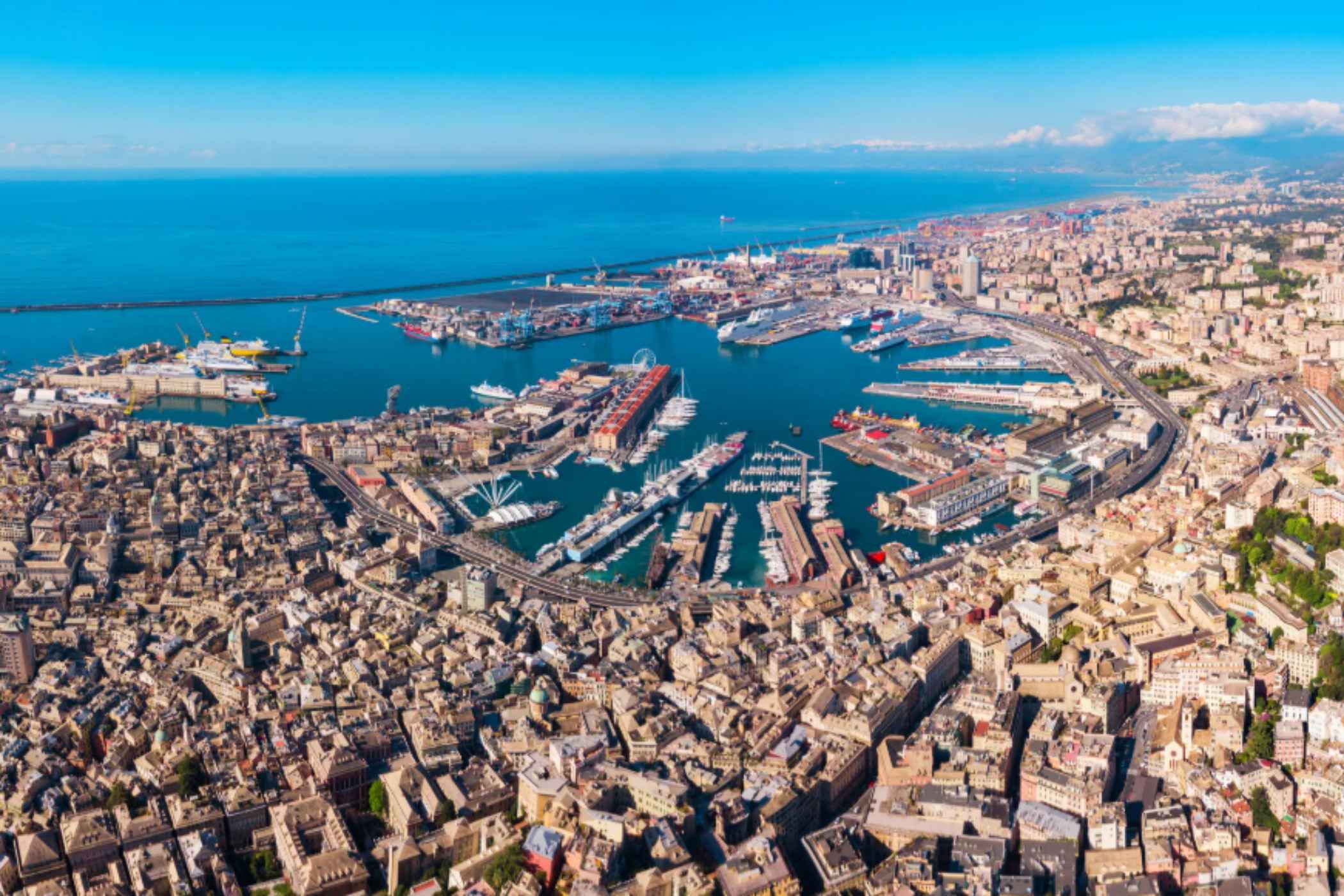
The Zecca-Righi funicular railway is a historic public transport system that holds an indispensable role in the vertical city of Genoa. Erected between 1895 and 1897, this masterpiece of late-nineteenth-century engineering connects Largo Zecca, located in the vibrant heart of the city center, with the soaring heights of Righi – an elevated ridge renowned for offering spectacular panoramic views of the entire region. It stands proudly as the longest and steepest rack-and-cable railway variant in Genoa, tracing a breathtaking route of approximately 1,191 meters and conquering a vertical drop of roughly 260 meters.
The scenic journey takes about 12 minutes from base to summit, during which the train smoothly transitions through a sequence of highly picturesque urban landscapes and lush natural environments. Because of this duality, the funicular railway is exceptionally popular; it serves simultaneously as a vital daily lifeline for commuting residents and as a premier tourist attraction for travelers seeking unparalleled lookouts.
Getting there
By Train:
Arrive at Genova Piazza Principe station. From there, you can enjoy a scenic 15-minute walk down Via Balbi past UNESCO-listed palaces, or take the metro line just two stops to the Darsena station, which sits a short walk from Largo Zecca.
By Car:
Driving in central Genoa is not recommended due to ZTL (restricted traffic zones). If arriving by car via the A7 or A12 highway, park at the large waterfront garages near the Porto Antico (Old Port) and walk 10 minutes uphill toward the tunnel entrance.
By Air & Bus:
From Genoa Cristoforo Colombo Airport (GOA), board the Volabus shuttle directly to the city center, dropping off at Piazza Principe. Additionally, numerous urban AMT bus lines (such as lines 20, 32, and 34) stop directly at the Largo Zecca hub.
Below you'll find the location marked on Google Maps. Click on it to open the location directly on your device's maps.
Useful Contacts
- AMT Genova (Public Transport Authority): amt.genova.it
- Genoa Tourism Information Center: +39 010 5573070 | [email protected]
What to Bring & Pro Tips
- The Zecca-Righi funicular is part of Genoa’s regular public transit network (AMT). A standard 110-minute transit ticket costs just €2.00, or you can purchase a 24-hour network pass if you plan to explore the peaks. Be sure to validate your ticket at the turnstile before boarding.
- For the ultimate photo opportunities during the 12-minute climb, try to board early and stand or sit at the very bottom windows of the car facing downward. This gives you a clear panoramic view of the sea opening up as you rise.
- The temperatures at the Righi summit are often several degrees cooler than the sea-level city center, and it can get quite windy. Pack a light windbreaker or jacket. Wear comfortable walking shoes or hiking sneakers, as the terrain transitions into gravel paths immediately outside the upper station.
- While there are a couple of small cafes near the top station, options are limited if you plan to hike further into the mountain park. Bring a refillable water bottle and some typical Genoese focaccia for a mountaintop picnic.
The “Hidden Gem“:
Most tourists step off the funicular at Righi, snapshot the sweeping view from the terrace, and catch the next car back down. To experience a true hidden gem, turn left out of the upper station and embark on the trail leading into the Parco Urbano delle Mura (Urban Park of the Walls). Here lies one of Europe’s longest defensive wall systems, dating back centuries. A relatively easy and completely immersive trail leads you away from urban life and deep into lush alpine meadows, tracing the mountain ridges. Within a 30-to-45-minute hike, you will encounter spectacular, looming 17th- and 18th-century stone strongholds like Forte Castellaccio and the imposing, diamond-shaped Forte Sperone. Perched like silent sentinels over the valleys, these fortresses offer a wild, untamed contrast to the dense historic center below, giving you the feeling of stepping back into military history while staring down at a bustling modern port.
