

What You Need to Know: Useful Information
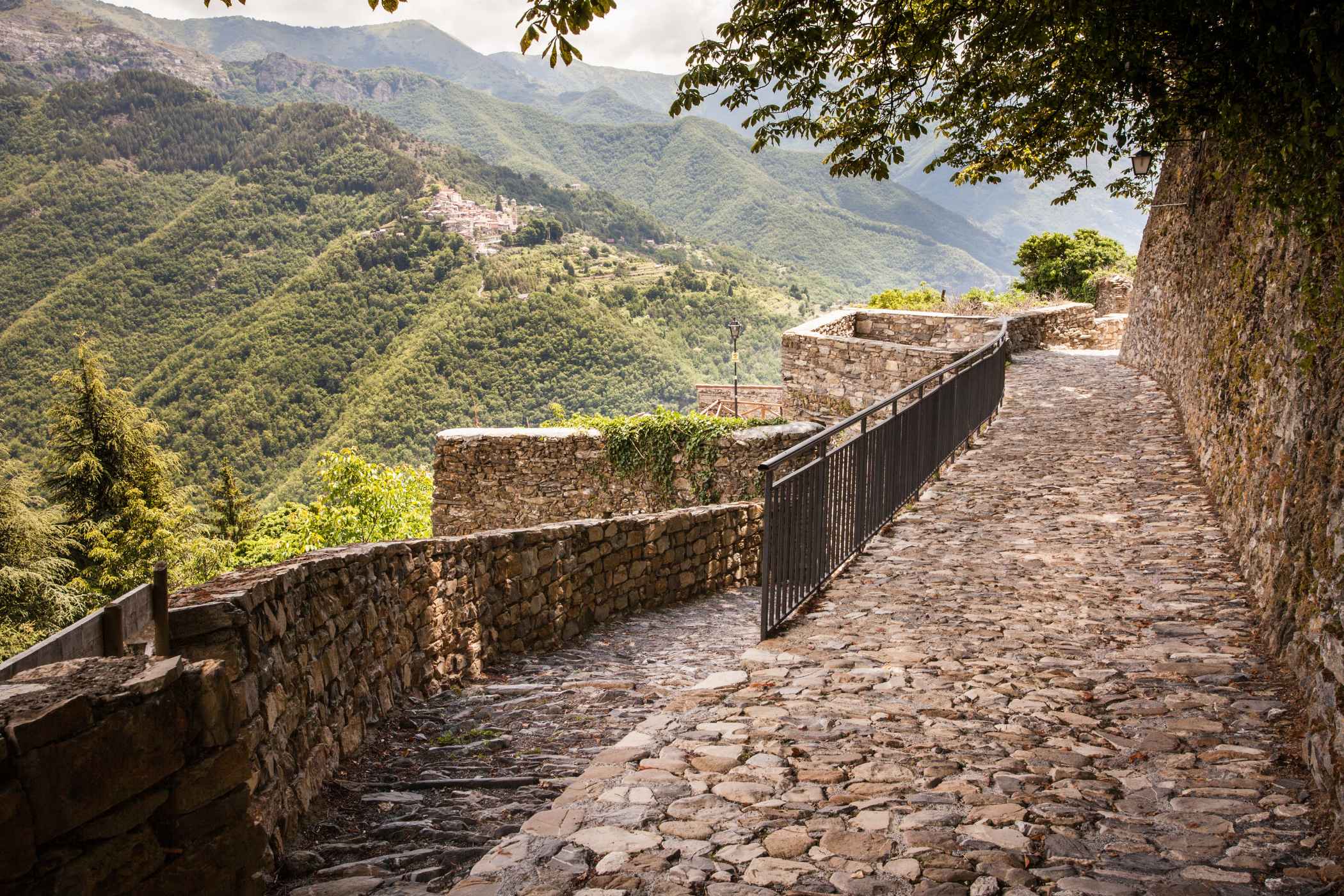
Triora is an enigmatic small village located deep within the rugged Ligurian hinterland, securely perched at an altitude of about 800 meters (2,625 feet) in the incredibly picturesque area in the province of Imperia. Home to just over 400 permanent inhabitants, this ancient medieval settlement is celebrated internationally as “the village of witches“ – a dark, compelling moniker that derives directly from its highly troubled history tied to real-life trials that shook the foundations of the community during the late 16th century. In 1587, Triora became the epicenter of one of the bloodiest and most extensive witch trials in Italian history, a dark chapter during which scores of local women were unjustly accused of practicing witchcraft and held single-handedly responsible for the devastating famines and diseases afflicting the mountain community.
Getting There
By Train:
Take the main coastal rail line and disembark at the Sanremo or Taggia-Arma railway stations. From the coastal terminals, you will need to catch an inland public transit bus or arrange for a taxi/rental car to make the climb into the mountain valley.
By Car:
Drive along the A10 highway (Autostrada dei Fiori) and take the Arma di Taggia exit. From there, merge onto the SP548 road, which winds continuously uphill through the spectacular bends of the Argentina Valley. The drive takes approximately 50 minutes from the coast.
By Air & Bus:
The closest international aviation hubs are Nice Côte d'Azur Airport (NCE) in France or Genoa Airport (GOA). From the Taggia train terminal, you can board the local regional buses (Riviera Trasporti) that run scheduled routes directly up to Triora's main square.
Below you'll find the location marked on Google Maps. Click on it to open the location directly on your device's maps.
Useful Contacts
For current museum opening hours, festival schedules, and local valley hiking maps, get in touch with these regional authorities:
- Museo Etnografico e della Stregoneria (Triora Witchcraft Museum): +39 0184 94477 | Museo Triora
- Comune di Triora (Municipal Tourism Desk): +39 345 840 0040 | [email protected]
What to Bring & Pro Tips
- The streets of Triora are composed entirely of steep, historic cobblestones, slippery stone staircases, and narrow, uneven pathways. Sturdy walking shoes or sneakers with excellent traction are absolutely non-negotiable.
- Sitting at 800 meters above sea level, Triora is notably cooler and windier than nearby beach towns. Even during the peak of summer, bringing a light jacket or windbreaker for late afternoon exploring is highly recommended.
- If you plan to visit around late October for Triora's famous annual Halloween festival or during the August witchcraft fairs, accommodations and dining reservations in the valley must be secured months in advance.
The “Hidden Gem“:
While the interior of the Argentina Valley holds endless mountain secrets, the ultimate hidden gem to pair with Triora sits near the base of the valley along the coast: the mesmerizing ruins of Bussana Vecchia. In 1887, a catastrophic earthquake violently struck this hilltop medieval village, destroying a vast majority of the structures and forcing the complete evacuation of its inhabitants, turning it into a silent, crumbling ghost town for decades. However, in the 1960s, a visionary group of international artists, sculptors, and musicians illegally moved into the abandoned stone ruins. Working entirely without electricity, running water, or structural support, they slowly cleared the debris and transformed the ghost town into a thriving, magical International Artists' Village. Today, you can stroll through open-air stone houses bursting with colorful flowers, browse hidden art galleries built into former dungeons, and admire the roofless, haunting shell of the old Santa Maria di Grado church – an incredible symbol of creative rebirth out of tragic destruction.
