

What You Need to Know: Useful Information
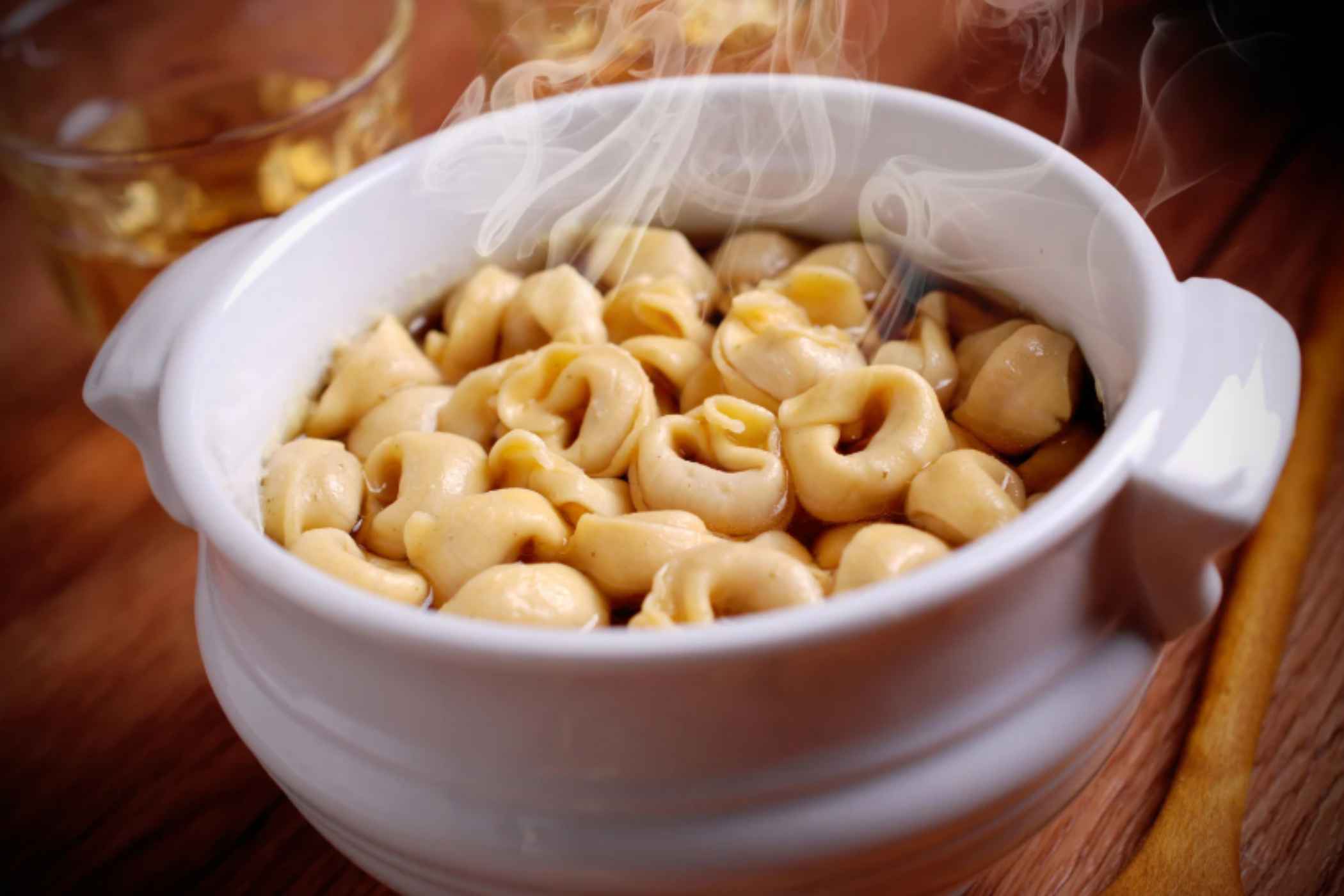
The sfogline in Bologna are skilled women who preserve the ancient tradition of making fresh handmade pasta, a hallmark of Bolognese cuisine. The term “sfoglina” refers explicitly to the woman who works the pasta dough, using flour, eggs, and a rolling pin to create a thin, soft dough, which acts as the basis for typical regional dishes such as the famous “tortellini”.
These artisans are true masters of pasta making, skillfully measuring ingredients and hand-rolling dough using traditional techniques passed down through generations. Their work is considered an art form that requires patience, skill, and passion. The sfogline's pasta is universally known for its quality, texture, and authentic flavor, made exclusively from high-quality soft wheat flour and fresh eggs.
Getting There:
By Train:
Arrive via high-speed rail at the massive Bologna Centrale train station. It connects seamlessly to Florence (35 mins), Milan (1 hour), and Rome (2 hours). From the station, the historic center is a straightforward 15-minute walk straight down Via dell'Indipendenza.
By Car:
Bologna is the major crossroads of Italian highways, accessible via the A1 (Autostrada del Sole), A14, and A13. Visitors should park in designated public parking garages outside the historic ring road, as the inner city center is a strict ZTL (Zona a Traffico Limitato / Limited Traffic Zone).
By Air & Transit:
Fly directly into Bologna Guglielmo Marconi Airport (BLQ). From the arrivals terminal, jump onto the ultra-fast Marconi Express (MEX) monorail, which whisks passengers straight to the central train station in just 7 minutes flat.
Below you'll find the location marked on Google Maps. Click on it to open the location directly on your device's maps.
Useful Contacts:
- Bologna Welcome (Main Tourism Information Office): +39 051 6583111 | [email protected]
- Associazione Sfogline Bologna e Provincia: Sfogline Bologna
- Emilia-Romagna Turismo (Regional Tourism Portal): Emilia Romagna Tourism
What to Bring & Pro Tips:
- Head to the historic Quadrilatero market district or along Via d'Azeglio in the morning. Many traditional laboratori feature street-facing glass windows where you can stand outside and watch the sfogline effortlessly transform giant mounds of dough into translucent sheets.
- True hand-rolled pasta must never be completely smooth. The friction from the wooden rolling pin creates a rough, porous surface. When buying fresh pasta, look closely at the texture – this signature roughness is what allows the Bolognese ragù to cling perfectly to the noodle.
- Fresh pasta schools and individual cooking classes taught by authentic sfogline are incredibly sought after. To secure a spot at a rolling table, aim to book your workshop at least 2 to 3 months before your trip.
- If you are attending a hands-on pasta-making lesson, wear comfortable clothing that you don't mind getting lightly dusted with flour. Leave long bracelets, rings, or dangling jewelry at your hotel so you can knead the dough unrestricted.
The “Hidden Gem”:
While Bologna is widely celebrated for its rich culinary landscape, infinite medieval porticoes, and warm terracotta architecture, the city hides an unexpected, watery secret right in the middle of its historic core: the Finestrella di Via Piella (the little window on Via Piella). As you stroll down an ordinary-looking brick street, look for a small, unassuming square window carved straight into a residential wall. Pushing the wooden shutter open reveals a surprising and enchanting view of the hidden Canale delle Moline. This waterway is one of the few remaining uncovered sections of a vast, complex network of medieval canals that used to crisscross the entire city centuries ago to power grain mills and textile factories. Flanked on both sides by the colorful, weathered back walls of ancient stone houses reflecting directly into the rushing water, this striking view feels completely disconnected from the bustling Italian streets above, earning it the affectionate local nickname of “Little Venice“.
