

What You Need to Know: Useful Information
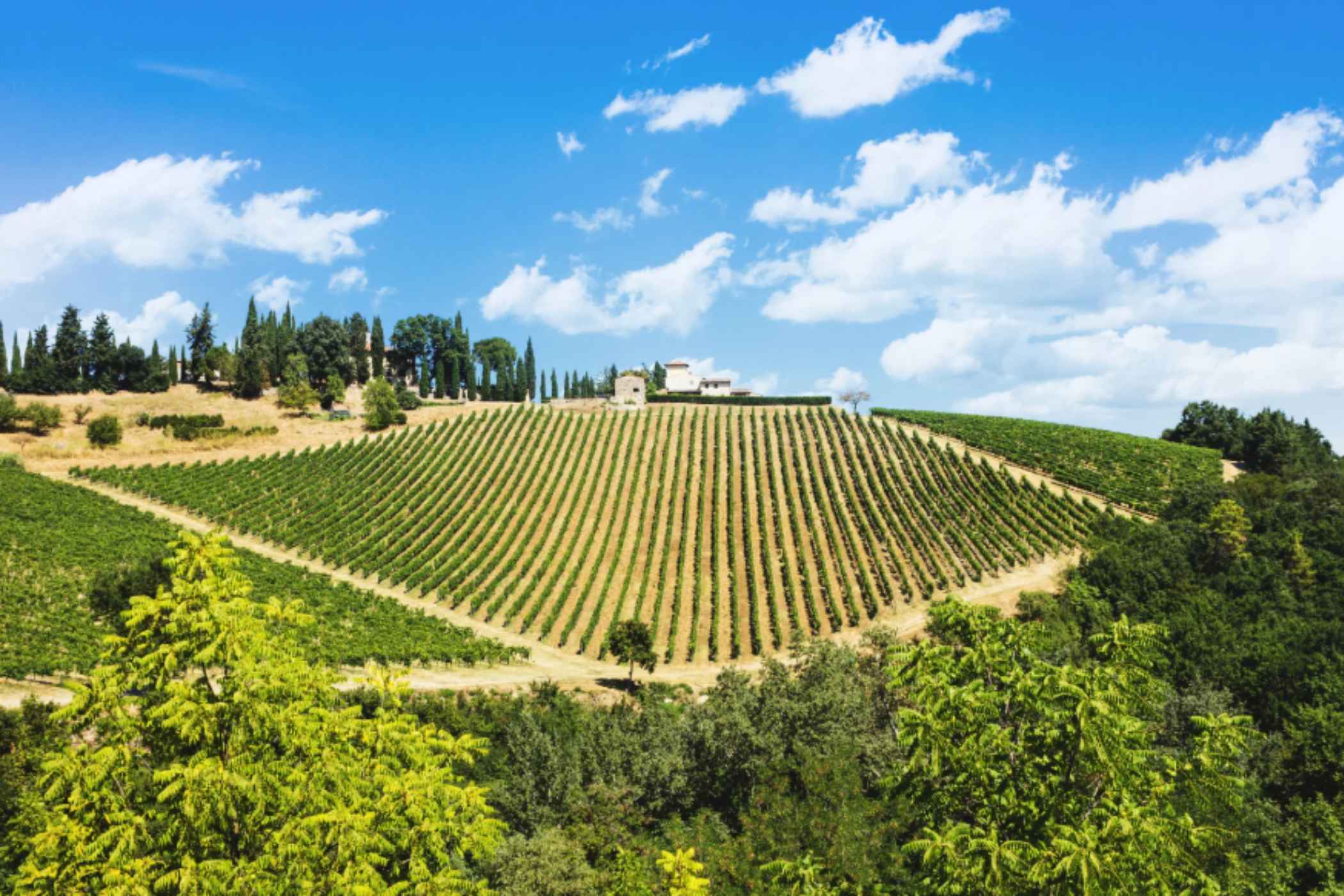
The Chianti Senese area is located in the heart of Tuscany, between the provinces of Siena and Florence. This region is renowned for its rolling hills filled with vineyards, olive groves, and forests, creating a picturesque landscape that is famous globally for producing high-quality wines, especially Chianti Classico. Here, small medieval villages alternate with scenic roads and lush countryside, offering an authentic experience of rural Tuscany. This historic area is home to numerous ancient monasteries and abbeys, many of which date back to the Middle Ages. These religious buildings, once centers of spiritual and agricultural life, have often been converted into charming accommodation facilities. Today, they offer visitors the chance to stay in a unique atmosphere, steeped in history, tranquility, and architectural beauty. Sleeping in a former monastery offers a serene experience, with ancient stone and quiet cloisters providing a peaceful, timeless atmosphere. In addition, many of these places offer cuisine linked to local traditions, showcasing recipes based on local ingredients such as legumes, seasonal vegetables, simple meats, and cheeses. This traditional cuisine showcases the area's rural history and local products, creating an authentic sensory journey.
Getting There
By train
While the deep countryside lacks direct tracks, you can take high-speed trains to Firenze Santa Maria Novella or regional lines to Siena Centrale. From these urban railway stations, you can easily catch a regional connecting train to small peripheral valley hubs like Castellina in Chianti or Poggibonsi.
By car
Driving is the absolute best way to experience Chianti Senese at your own pace. Take the scenic SR222 highway (the Chiantigiana), which cuts directly through the heart of the wine region, connecting the rolling hills, farmsteads, and small medieval villages seamlessly.
By bus
For travelers who prefer not to navigate the winding roads, numerous regional Autolinee Toscane buses depart from the main transit terminals in central Florence and Siena, connecting urban travelers directly to the main village squares in the hills.
Below you'll find the location marked on Google Maps. Click on it to open the location directly on your device's maps.
Useful contacts
- Tuscany Tourism Office: https://www.regione.toscana.it/turismo
- Associazione Viticoltori Castellina in Chianti: https://www.chianticlassico.com
What to Bring & Pro Tips:
- Because many of these ancient monasteries and abbeys have been converted into charming accommodation facilities, they feature a limited number of rooms, making it essential to book your stay months in advance to secure this serene experience.
- When packing, make sure to bring sturdy walking shoes for exploring the cobblestone medieval villages, as well as a light sweater, because the stone walls of the ancient cloisters remain remarkably cool even during the peak of summer.
- If you plan on indulging in the traditional cuisine and Chianti Classico wine tastings, consider hiring a local driver or booking a guided tour so you can safely enjoy the authentic flavors without worrying about navigating the steep, dark country roads at night.
The “Hidden Gem”
Once you have soaked in the quiet atmosphere of the cloisters and filled your glass with local wine, leave the main roads behind and take a short drive to explore the mesmerizing Abbazia di San Galgano.
Instead of visiting a standard, fully restored religious building, this 13th-century Cistercian monastery stands as a hauntingly beautiful architectural masterpiece completely open to the sky. Following its slow decline centuries ago, the massive stone roof collapsed, leaving a monumental gothic cathedral shell with grass for a floor and the blue Tuscan sky for a ceiling. Walking through its towering, roofless nave offers a wonderfully surreal, peaceful break from the classic postcard views of the vineyards. Just a short walk up the hill leads you to the Eremo di Montesiepi, where you can view a real medieval “sword in the stone” driven into the bedrock by a repentant knight – a mysterious, historical legend hidden deep in the Tuscan hills.
