

What You Need to Know: Useful Information
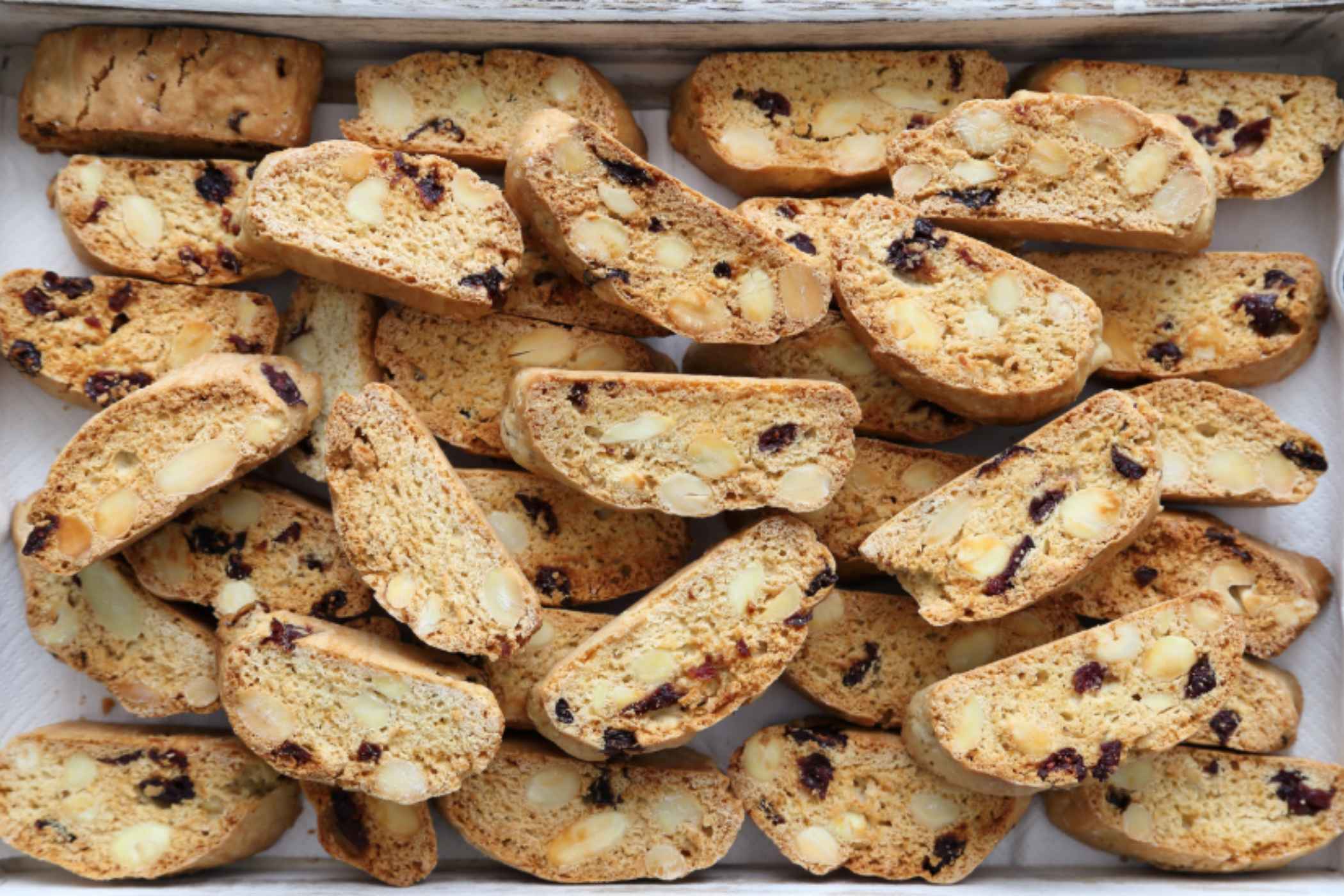
Tuscan Vin Santo is a traditional sweet wine, known for its sweetness and aromatic complexity, made mainly from white grapes such as Trebbiano and Malvasia, although red grapes are also used in some versions. It symbolizes Tuscany's winemaking tradition and is often served with desserts like Cantucci, typical almond biscuits, at the end of a meal. The production of Vin Santo begins with the late harvest of the grapes, which are then left to dry. This process takes place in rooms called “vinsantaie” (or “vinsanterie”), special spaces where the bunches are placed on racks or mats made of reeds to dry slowly. The drying process can take several months, causing grapes to lose water and concentrate their sugars and aromas. The vinsantaia is a special, well-ventilated room, typically found in winery attics or cellars, where conditions are controlled for the slow and steady dehydration of grapes. This phase is essential to achieve the characteristic balance between sweetness and acidity of Vin Santo. After drying, the grapes are pressed, and the must ferments slowly in small wooden barrels, usually made of chestnut or oak, where the wine matures for 3 to 10 years. This long maturation gives Vin Santo its intense amber color and typical aromas of dried fruit, honey, spices, and caramel. Many farms and wineries provide guided tours to observe the production process and taste the wines on-site, offering a truly unique experience.
Getting There
By train
While the rural estates housing the historic attics lack direct rail lines, you can easily take high-speed trains to Firenze Santa Maria Novella or regional lines to Siena Centrale or Arezzo. From these main city stations, you can board local regional trains to valley transit hubs like Poggibonsi or San Giovanni Valdarno to get closer to the cellars.
By car
Driving is the absolute best way to reach the traditional countryside estates at your own pace. Take the scenic SR222 highway through Chianti, the SP14 through the Val d'Orcia, or the A12/A11 highways depending on your target estate, which allows you to navigate the winding hills and reach hidden farms seamlessly.
By bus
For travelers who prefer a shared transit option, regional Autolinee Toscane buses run daily routes from central Florence and Siena to prominent winemaking villages like Greve in Chianti, Gaiole, and Montepulciano, dropping you right in the historic village centers.
Useful contacts
- Consorzio Vino Chianti Classico (Chianti Classico Wine Consortium): +39 055 822851 | [email protected]
- Movimento Turismo del Vino Toscana (Wine Tourism Movement Office): +39 349 7160047 | [email protected]
What to Bring & Pro Tips
- Because many local farms and wineries provide guided tours to observe the production process, it is highly recommended to inquire in advance and make reservations since these exclusive spaces have strict capacity limits.
- When visiting the vinsantaie, keep in mind that these well-ventilated rooms are typically found in winery attics, meaning you will need to climb narrow, historic staircases; ensure you wear comfortable, flat walking shoes.
- If you purchase bottles after your tasting, pack them carefully in a dedicated wine travel case for your return trip, and remember that traditional Cantucci biscuits are meant to be quickly dipped directly into the glass of Vin Santo to properly enjoy the authentic balance of flavors.
The “Hidden Gem”
Once you have toured the aromatic attics and dipped your biscuits in amber wine, leave the standard vineyard trails behind and take a drive toward the high hills of the Valdichiana to explore the mysterious, ancient town of Chiusi.
Instead of looking at standard medieval stone walls, head beneath the city streets to explore the fascinating Labyrinth of Porsenna (Labirinto di Porsenna). This hidden gem is a complex network of ancient Etruscan water tunnels carved deep into the sandstone bedrock dating back to the 5th century BC. Walking through these narrow, atmospheric underground passages under the guidance of local archeologists leads you straight to a massive Roman cistern and culminates in a climb to the base of the cathedral bell tower. It offers a wonderfully thrilling, subterranean break from the classic postcard views of sun-drenched wine country, rewarding travelers with a deep dive into Italy's pre-Roman history.
