

What You Need to Know: Useful Information
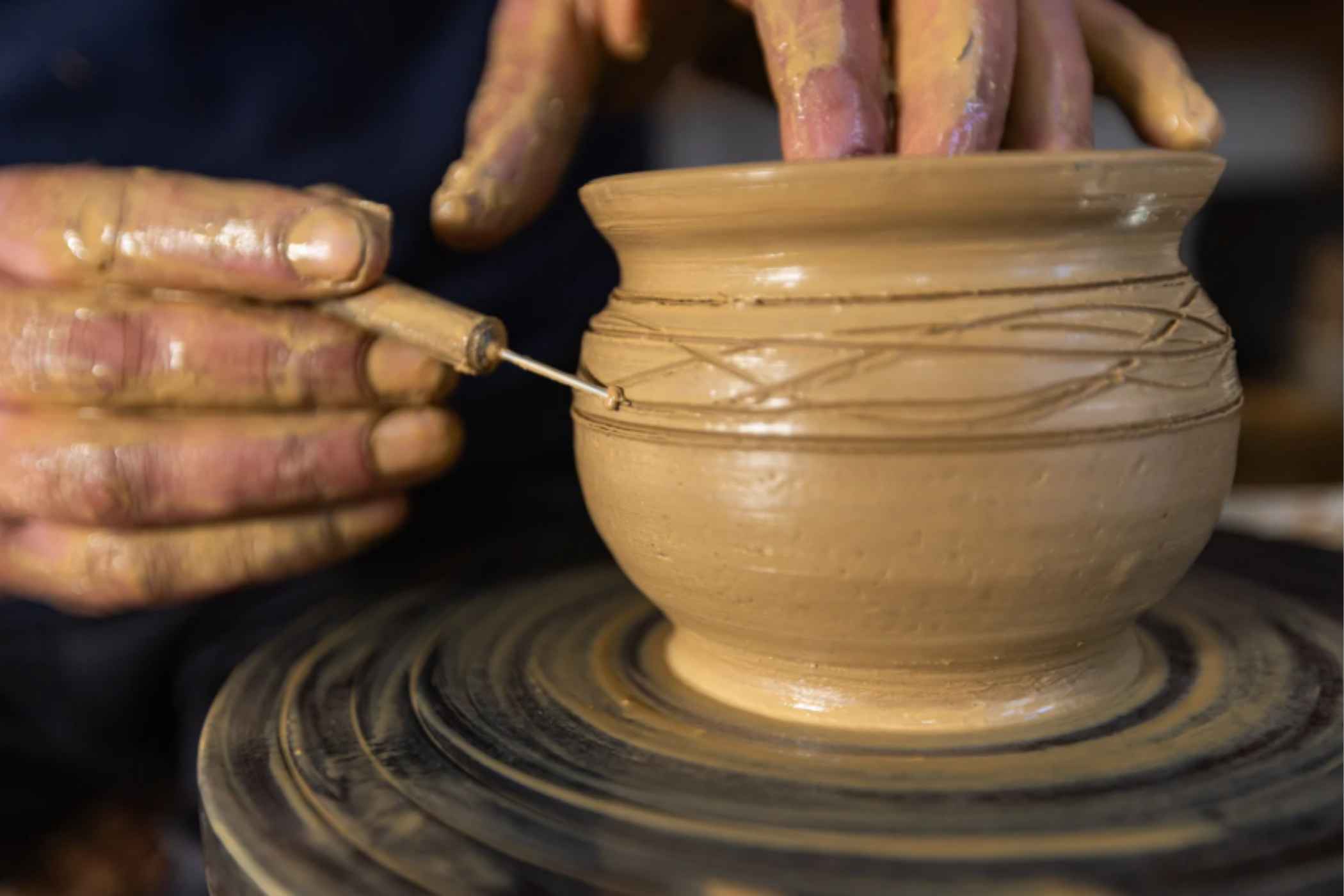
Tarquinia is a city located in the Lazio region of Italy, about 90 kilometers northwest of Rome, near the coast of the Tyrrhenian Sea. It is a place rich in history and culture, best known for its Etruscan past. The Etruscans were an ancient civilization that lived in this area before the Romans, and Tarquinia was a key center for them. The city is renowned for its Etruscan pottery, especially its beautiful black-and-red figurines, which are considered significant examples of ancient art. These artifacts were produced using special techniques and decorated with designs depicting scenes from everyday life, myths, and religious rituals. Many of these ceramics are preserved in museums, like the National Archaeological Museum of Tarquinia, where you can see original Etruscan artifacts showcasing the craftsmanship of their makers. In addition to its historical importance, Tarquinia now also offers hands-on experiences for those who want to learn more about this artistic tradition through ceramics workshops where you can learn modeling and painting techniques on ceramics. Here, visitors can create their own objects inspired by the Etruscan style, using materials and methods reminiscent of those used in ancient times. The workshops are open to both beginners and those with previous experience, offering a unique way to deepen your knowledge of this ancient art.
Getting There
By train
You can easily reach the city by taking a Trenitalia regional train directly to Tarquinia railway station along the Rome-Pisa line. From the station, which sits down in the plain, local transit buses run regular schedules up the hill to drop passengers off right at the entrance of the historic center.
By car
Driving allows you to explore the Lazio coastline and countryside at your own pace. From Rome, take the A12 highway north toward Civitavecchia and continue on the SS1 Via Aurelia until you reach the exit for Tarquinia, then follow the signs up toward the town's historic defensive walls.
By bus
For regional public transit travelers, COTRAL operates daily intercity bus routes that connect the city center of Tarquinia directly to neighboring hubs like Viterbo and Civitavecchia, as well as the main bus terminals in Rome.
Below you'll find the location marked on Google Maps. Click on it to open the location directly on your device's maps.
Useful Contacts
- Ufficio Turistico Comune di Tarquinia (Municipal Tourist Hub): +39 0766 845636 | [email protected]
What to Bring & Pro Tips
- Because the local ceramics workshops offer an immersive, hands-on experience where you will actively practice modeling and painting techniques, it is highly recommended to reach out and reserve your studio space in advance.
- You will be working directly with wet clay, mineral pigments, and water, so make sure to wear casual clothing with sleeves that can easily be rolled up.
- Since the National Archaeological Museum of Tarquinia is beautifully housed inside the sprawling, 15th-century Palazzo Vitelleschi, wear comfortable, flat walking shoes to navigate the historic stone stairs and multi-level exhibit halls with ease.
- If you create a custom piece during the workshop, verify the clay firing schedules with the studio artisans, as your hand-painted object will require time to bake in the kiln before it can safely be packed as a souvenir.
The “Hidden Gem”
Once you have tried your hand at shaping clay and admired the masterpieces in the museum, leave the main squares behind to discover the majestic Torre di Dante and the surrounding medieval defensive walls. Instead of looking at standard ancient ruins, head to the northern edge of the historic center to find this massive, 13th-century stone watchtower, originally built to defend the independent medieval town of Corneto (ancient Tarquinia). Tucked away from the main tourist flows, the area around the tower features incredibly well-preserved fortifications, stone arches, and quiet walkways. Standing on the grassy paths at the base of the tower offers a wonderfully panoramic, breezy break from the indoor workshops, rewarding travelers with a dramatic view that sweeps across the valley of the Marta River all the way out to the glittering waters of the Tyrrhenian Sea.
