

What You Need to Know: Useful Information
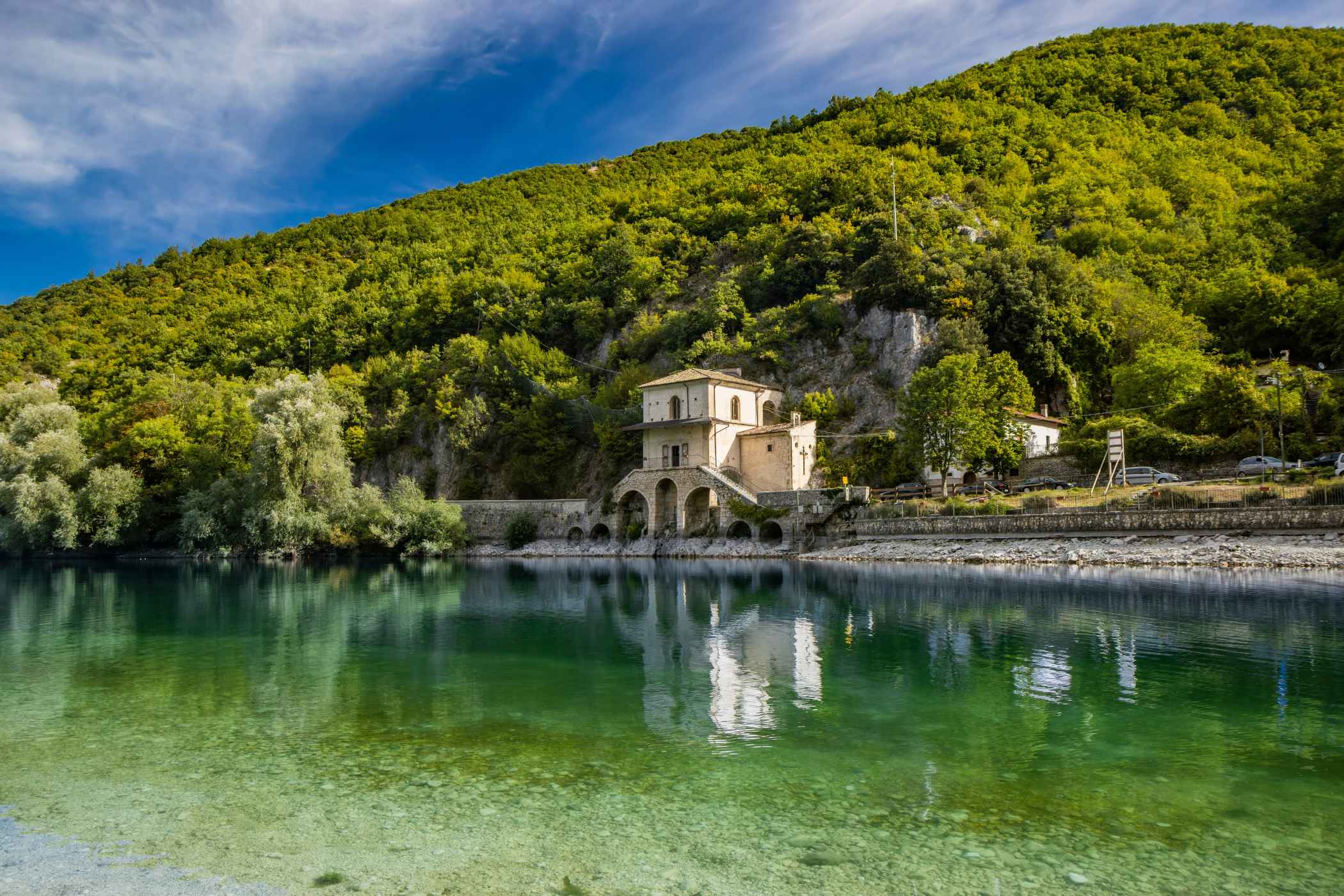
Lake Scanno, famous for its heart shape, is one of the most captivating spots in Abruzzo, especially when viewed from above. It is situated in L'Aquila province, in the Abruzzo Apennines, between Scanno and Villalago, at an altitude of about 922 meters. The lake was formed naturally following a landslide on Mount Genzana, which blocked the course of the Tasso River, creating a basin of water nestled beautifully between mountains and woods. Lake Scanno is completely suitable for swimming and is very popular during the summer months for its clean waters and well-equipped beaches. Visitors can easily rent boats, pedal boats, or canoes to explore the lake from the water, or simply enjoy the beaches and surrounding picnic areas. In addition, the Hermitage of Sant'Egidio and the Church of the Madonna del Lago, two places of deep historical and cultural interest, can be visited in the surrounding area. If you've never seen a heart-shaped lake, Scanno is definitely a must!
Getting There
By train
To approach this mountain destination by rail, you can take a regional Trenitalia train to either the Sulmona railway station or the Avezzano railway station. Once you arrive at these rail hubs, you will need to head to the nearby transit squares to catch direct bus connections up into the valley.
By car
If you choose to drive, take the A25 motorway and take the exit at Cocullo. From the toll booth, follow the Strada Regionale 479 for about 20 kilometers along a well-signposted route that leads you straight to the lake and its nearby car parks.
By bus
For regional public transit travelers who prefer this option, direct intercity buses depart regularly from the train stations of Sulmona and Avezzano, carrying passengers straight through the rocky gorges up to the town of Scanno.
Useful Contacts
- Ufficio Turistico Scanno (Scanno Welcome Desk):
- Phone: +39 0864 74328
- Email: [email protected]
- Riserva Naturale Monte Genzana Alto Gizio (Nature Reserve Office):
- Phone: +39 0864 487006
- Website: riserrvagenzana.it
- TUA Abruzzo (Regional Bus Information Line):
- Phone: +39 085 49601
Below you'll find the location marked on Google Maps. Click on it to open the location directly on your device's maps.
What to Bring & Pro Tips
- Because the lake's iconic romantic outline is only visible from high above, lovers of trekking or nature walks should definitely head out on foot via the famous “Sentiero del Cuore” (Path of the Heart).
- This route allows you to immerse yourself in the unspoiled nature of the Monte Genziana Nature Reserve, so make sure to wear sturdy hiking shoes or sneakers with excellent grip to handle the uphill dirt paths safely.
- Since the lake is highly popular during the summer months for its clean waters, remember to pack your swimsuit, a quick-drying towel, and water shoes for the lakefront.
- Bring a camera or a smartphone with a wide-angle lens to fully capture the breathtaking views of the water's unique shape from the panoramic lookout point.
- Pack a refillable water bottle and a light jacket, as the mountain breeze at 922 meters above sea level can get quite cool, even after a sunny afternoon of paddling or canoeing.
The “Hidden Gem”
Once you have finished rowing across the clean waters and photographing the basin from the high trails, leave the beaches behind to explore the hidden Sagittario Gorge (Gole del Sagittario) just north of the lake.
Instead of staying on the popular waterfront lawns, take a short drive toward Villalago to find this spectacular, dramatic limestone canyon carved out over millennia by the rushing Sagittario River. Protected as a WWF nature reserve, the deep gorge features towering rock cliffs that block out the sun, moss-covered stone bridges, and secret pathways that wind past emerald-green natural springs and small, tumbling waterfalls. Walking through this cool, shaded canyon feels like stepping into a prehistoric world completely hidden from the open valley. It rewards nature lovers with a peaceful, awe-inspiring break from the main summer crowds and a firsthand look at the raw geological forces that shape the Abruzzo wilderness.
