

What You Need to Know: Useful Information
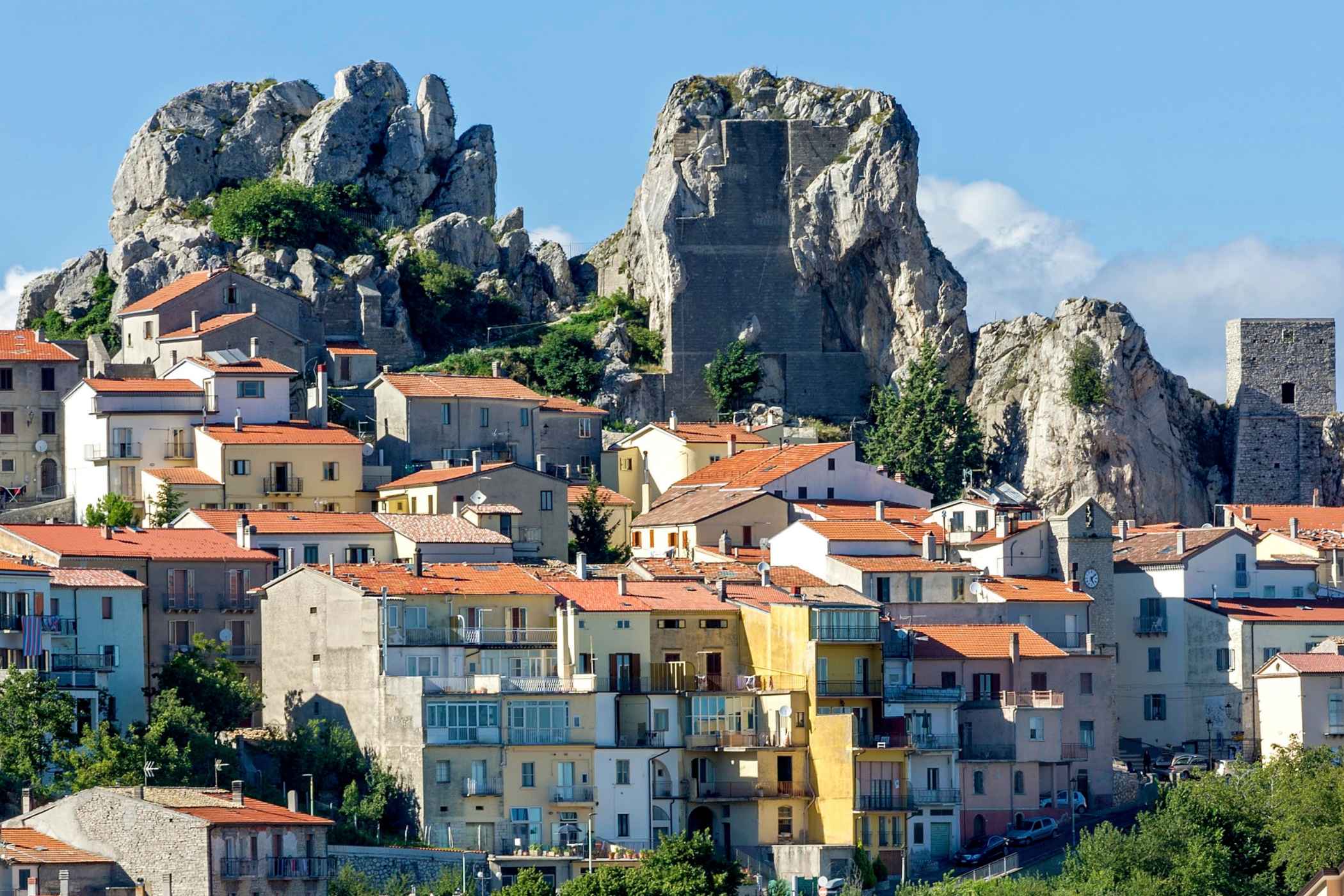
The Molise Cenozoic Morge Park is a special natural area spanning eleven municipalities in the provinces of Campobasso and Isernia, located in the heart of Molise. This park is characterized by the presence of particular rock formations called “morge”, which are sedimentary rocks of marine origin dating back to the Cenozoic era, millions of years ago. Morge are rocky outcrops shaped by tectonic movements and erosion, showcasing impressive geology and valuable natural and cultural heritage. Over time, these formations have served different purposes, including shelters for shepherds and flocks, temporary homes, food storage, and observation points. Today, they are an important tourist attraction for nature lovers, geology enthusiasts, and hikers, set in a rural, hilly area with trails for exploring the rock formations and nearby villages that maintain ancient traditions. The park is accessible all year round and is ideal for hiking or mountain biking.
Getting There
By train
To reach the general area by rail, you can take a regional Trenitalia train directly to either the Campobasso railway station or the Isernia railway station. Because the park spans across eleven different rural municipalities in the heart of the region, you will need to continue your journey from these rail hubs via local regional buses or a rented vehicle to reach the specific trailheads.
By car
Driving is highly recommended to easily jump between the scattered rock formations at your own pace. You can easily start your journey from cities such as Campobasso or Isernia, following the SS647 state road or other provincial roads that directly connect the various municipalities of the park, such as Pietracupa, Salcito, and Trivento.
By bus
For public transit travelers, regional suburban buses operate daily routes departing from the main terminals in Campobasso and Isernia. These local lines run through the hilly countryside, stopping in the central squares of the specific park municipalities like Trivento or Pietracupa.
Below you'll find the location marked on Google Maps. Click on it to open the location directly on your device's maps.
Useful Contacts
- Associazione Culturale Parco delle Morge Cenozoiche del Molise (Park Promotion Network):
- Website: parcodellemorge.it
- Ufficio Turistico Campobasso (Campobasso Regional Information Hub):
- Phone: +39 0874 4041
- Comune di Pietracupa – Ufficio Informazioni (Pietracupa Municipal Desk):
- Phone: +39 0874 768112
What to Bring & Pro Tips
- Because the park features an extensive network of trails for exploring rock formations and nearby villages, comfortable shoes and suitable clothing for walking in a natural environment are highly recommended.
- If you are exploring the trails by mountain bike, ensure your gear is tuned for steep, rocky, and hilly terrain.
- Since the morge have historically served as shelters, temporary homes, and observation points, packing a reliable flashlight or headlamp will help you safely peer into the ancient hand-carved cavities and rock shelters.
- The open, hilly landscapes offer very little shade, so remember to pack a refillable water bottle, a hat, and sunscreen. Finally, bring a camera to capture the dramatic, towering scales of these marine sedimentary outcrops contrasting against the rolling green countryside.
The “Hidden Gem”
Once you have finished hiking past the rocky outcrops and exploring the loop trails, head to the park municipality of Pietracupa to discover the awe-inspiring Rock-Cut Church of Sant'Antonio Abate (Chiesa Rupestre).
Instead of looking at standard village parishes, walk into the steep historic center of Pietracupa—often called the “Bethlehem of Molise”—to find a spectacular church carved entirely into the face of a massive morga cliff. Dating back to the Middle Ages, this secret sanctuary was originally used as a monastic rock cell and later as a courthouse during the Inquisition. Inside, the atmospheric stone cave features a rugged rock-cut altar, ancient crucifixes, and mysterious acoustic properties where the stone walls amplify the slightest whisper. Stepping into this quiet, candle-lit cavern offers a wonderfully mysterious and spiritual break from the open valley trails, rewarding travelers with a firsthand look at how deeply integrated human faith and the unique geology of Molise have been for thousands of years.
