

What You Need to Know: Useful Information
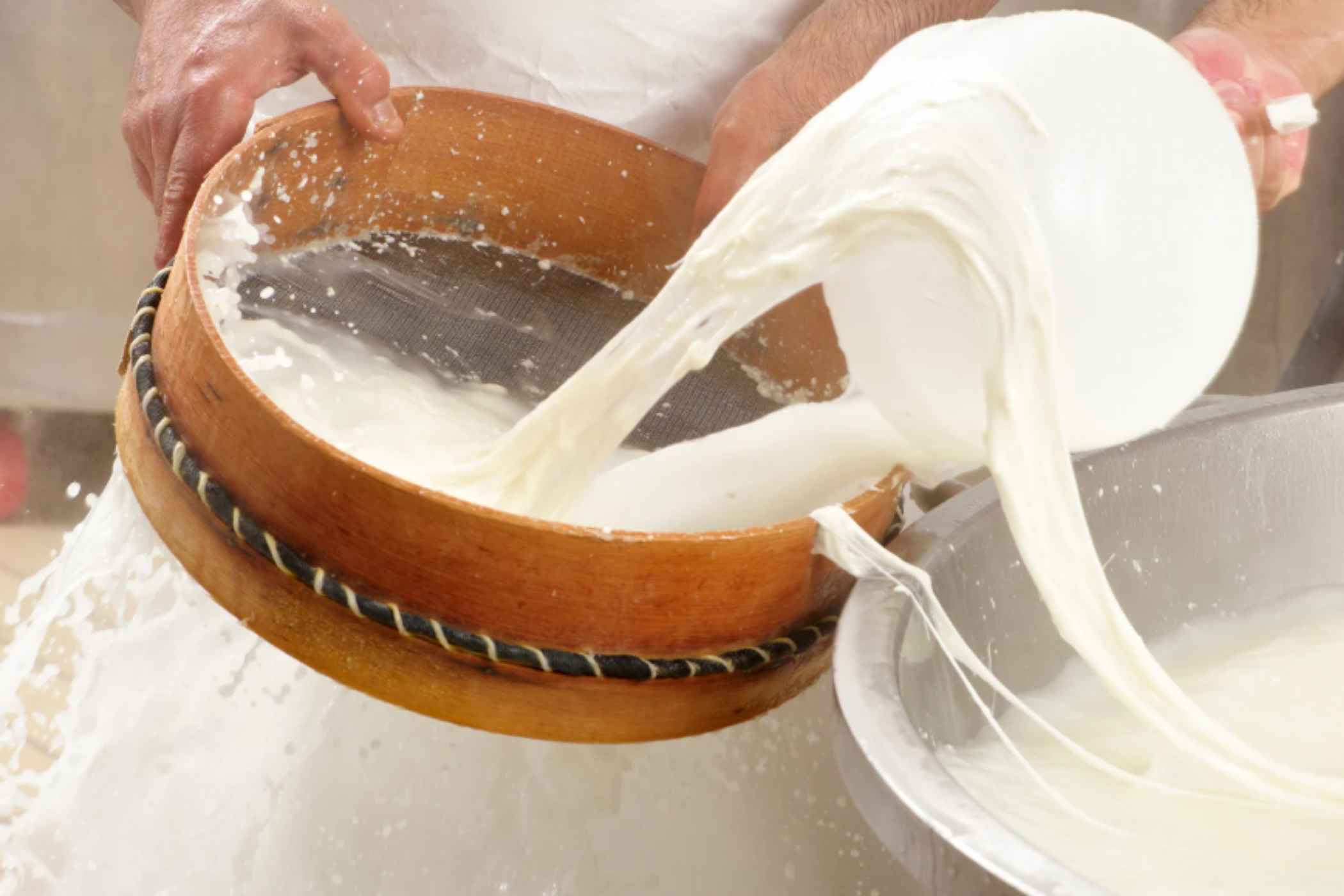
Mozzarella from Campania is one of Italy's most renowned and beloved culinary treasures, celebrated worldwide as a fresh, stretched-curd cheese made from buffalo or cow's milk. This iconic product stands as a proud symbol of Campania's dairy tradition, featuring a soft texture, unique flavor, and exceptional freshness. Campania mozzarella is often the star ingredient in typical dishes such as Neapolitan pizza, caprese salad, and numerous regional recipes that showcase the best of Mediterranean cuisine. The secret behind its deliciousness lies in the quality of the milk used, the craftsmanship of the dairies, and the rigorous processing that follows methods handed down from generation to generation. Specifically, hand processing, spinning, and shaping are essential steps in obtaining the elastic texture and fresh taste that distinguishes true Campania mozzarella. For those who want to enjoy a complete and authentic experience, visiting a traditional dairy in Campania allows you to see all the stages of production, from milking to milk processing to the creation of mozzarella shapes.
Getting There
By train
To reach the primary dairy production valleys by rail, you can take a high-speed or regional Trenitalia train to the Caserta railway station or the Salerno railway station. These major rail junctions place you right at the edge of the historic buffalo grazing plains, where you can easily connect to local provincial transit lines or short taxi rides out to the countryside dairies.
By car
Driving is one of the most practical options to explore the rural dairy farms at your own pace. If you are heading to the northern production zone near Caserta, take the A1 highway (Autostrada del Sole) and exit at Caserta Nord or Capua; if you are visiting the southern piana del Sele region, take the A3 highway southbound from Naples, exit at Battipaglia, and follow the local roads directly into the farming flats.
By bus
For regional public transit travelers who prefer this option, local suburban buses operated by regional lines depart daily from the central station squares of Caserta and Salerno. These local routes travel directly through the agricultural plains, stopping right along the main roads where many historic family-run cheese estates are located.
Useful Contacts
- Consorzio Tutela Mozzarella di Bufala Campana DOP (Official Protection Consortium Registry):
- Website: mozzarelladop.it
- Ufficio Informazioni Turistiche Caserta (Caserta Local Tourism Desk):
- Website: campaniacresce.it
- Assessorato al Turismo Regione Campania (Campania Regional Tourism Board):
- Website: campaniaturismo.it
What to Bring & Pro Tips
- Because a visit to a traditional dairy allows you to see all the stages of production from milking to milk processing, it is highly recommended to book your guided tour slot for early in the morning, as the actual spinning and shaping of the fresh curds takes place at dawn.
- Dairies are active food production facilities with wet, tiled floors, so make sure to wear comfortable, flat shoes with non-slip rubber soles for safety during the walkthrough.
- Bring a smartphone or camera to capture the impressive hand-shaping techniques of the cheesemakers, but remember to follow the facility rules regarding hairnets or protective clothing in the processing rooms.
- Many dairies offer guided tastings that allow you to savor freshly made mozzarella, so arrive with a clear palate and avoid eating a heavy breakfast beforehand.
- If you plan to purchase containers of fresh mozzarella to take back to your accommodation, bring a small insulated cooler bag, but remember never to refrigerate true Campania mozzarella before eating it, as it should always be enjoyed at room temperature in its own conservation liquid.
The “Hidden Gem”
Once you have finished watching the artisans spin the curds and enjoying the milky flavor of a fresh tasting, take a short drive to explore the magnificent archeological park of Paestum.
Instead of staying entirely within the modern dairy shops, head to the southern edge of the Sele plain to find three of the most perfectly preserved ancient Greek stone temples in the entire world. Built between 550 and 450 BC, these towering Doric masterpieces—dedicated to Hera, Athena, and Poseidon—stand majestically in the middle of a wide green landscape, surrounded by defensive defensive walls and the ruins of an ancient Roman forum. The onsite museum also houses the world-famous Tomb of the Diver, a stunning example of ancient Greek fresco painting. Walking along the grassy paths beneath these colossal stone columns offers a wonderfully awe-inspiring and historic break from your culinary tour, rewarding travelers with a profound look at the ancient Mediterranean roots that have framed this fertile region for millennia.
