

What You Need to Know: Useful Information
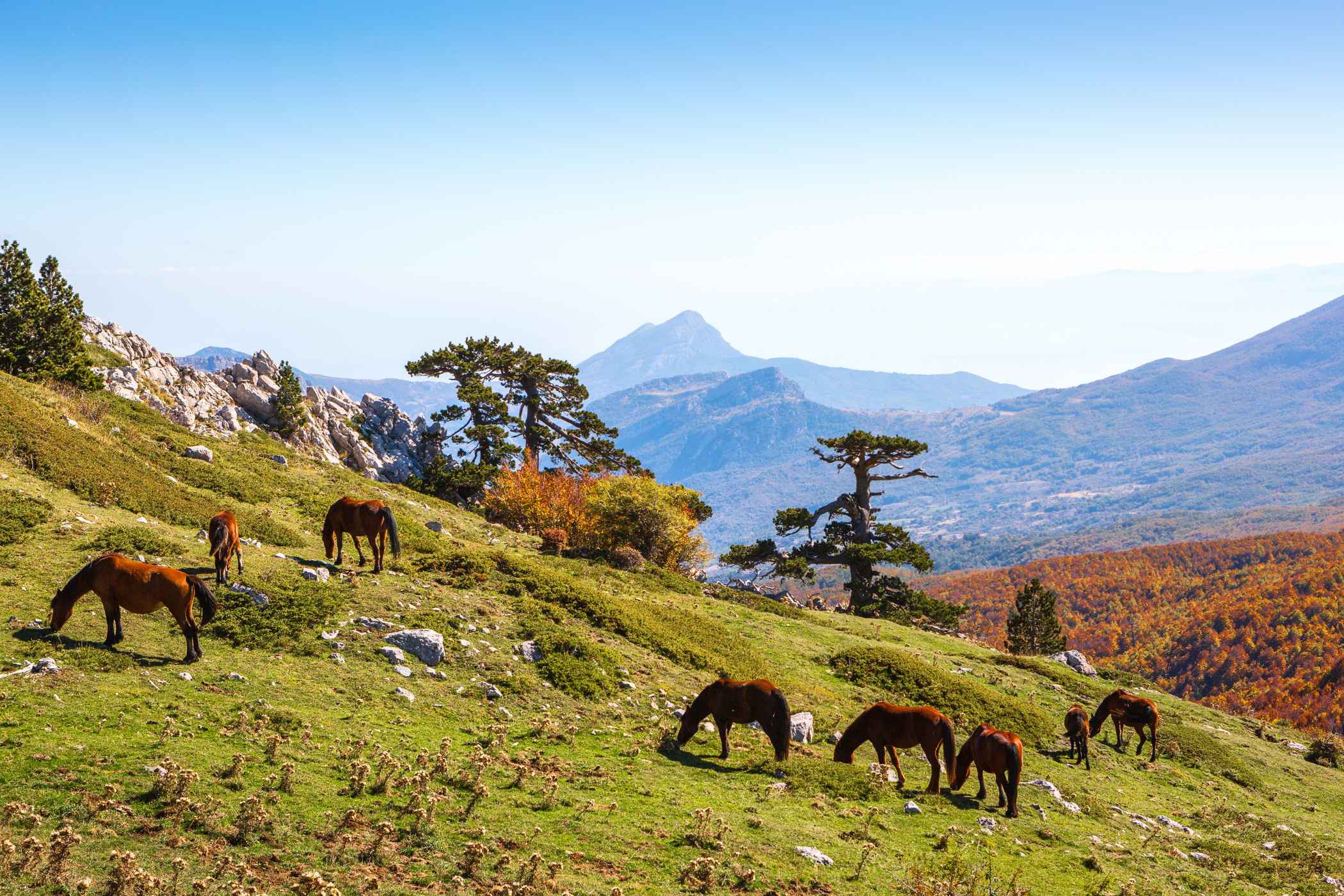
The Pollino National Park is the largest protected area in Italy, located between the regions of Calabria and Basilicata. It offers breathtaking landscapes characterized by dense forests, deep gorges, crystal clear rivers, and peaks reaching 2,200 meters above sea level. The park takes its name from the Pollino massif, the mountain range that dominates the area and represents a unique ecosystem rich in biodiversity.
One of the most interesting and growing sports here is river walking, which consists of walking along the beds of rivers and streams. This experience allows you to explore gorges and waterfalls, cross cool, clear waters, and experience direct contact with nature in a safe and guided way. River walking in Pollino is suitable for everyone, even those without particular sporting skills, as it is carried out with expert guides who provide the necessary equipment, such as helmets and neoprene shoes. This activity has a beneficial effect on physical and mental well-being, thanks to direct contact with water and nature.
Getting There
By train
To reach the outskirts of the park by rail, you can take a regional Trenitalia train to the Sapri railway station on the Tyrrhenian side, or to the Policoro railway station on the Ionian side. Because the park covers an immense mountainous area between two regions, you will need to continue your journey from these stations via local regional buses or a rented vehicle to reach the specific mountain trailheads.
By car
Driving is the most efficient way to access the deep valleys of the park. From the north or south, take the A2 Autostrada del Mediterraneo (Salerno-Reggio Calabria) and exit at Campotenese, Laino Borgo, or Mormanno to directly enter the western side of the massif, following local roads toward your chosen excursion meeting point.
By bus
For regional public transit travelers, intercity buses operated by regional lines connect the main transit hubs of Cosenza and Potenza to the central squares of the small gateway municipalities within the park, such as Rotonda, Viggianello, or Castrovillari.
Below you'll find the location marked on Google Maps. Click on it to open the location directly on your device's maps.
Useful Contacts
- Ente Parco Nazionale del Pollino (Park Headquarters – Rotonda):
- Website: parconazionalepollino.it
- Guide Ufficiali del Parco Nazionale del Pollino (Official Park Guides Association):
- Website: guidepollino.it
- Soccorso Alpino e Speleologico Calabria/Basilicata (Alpine Rescue Service):
- Phone: 112 (Emergency Line)
What to Bring & Pro Tips
- Because excursions are carried out with respect for the environment and in complete safety, you must rely on experts and never attempt to explore these riverbeds on your own without experience or without the right people by your side.
- Since the expert guides will provide the essential safety gear, such as helmets and neoprene shoes, you should pack lightweight, quick-drying sportswear or a swimsuit to wear under your gear.
- Bring a complete change of clothes and a dry towel to leave in your vehicle for after the trip. To protect your smartphone or camera while crossing the cool, clear waters, place them inside a high-quality waterproof dry bag or a floating pouch.
- Lastly, pack a refillable water bottle and a light windbreaker, as the deep mountain gorges can remain quite cool and shaded even during the peak of summer.
The “Hidden Gem”
Just a short drive from these scenic water routes, the welcoming mountain village of San Severino Lucano offers a fascinating look into the spiritual and artistic heart of the region. This historic town is the gateway to the spectacular Sanctuary of the Madonna del Pollino, a sacred pilgrimage site offering sweeping panoramic views of the entire valley. It is the ideal cultural stop to blend traditional mountain heritage, deep spiritual roots, and unique contemporary art installations after a refreshing day of river adventure.
