

What You Need to Know: Useful Information
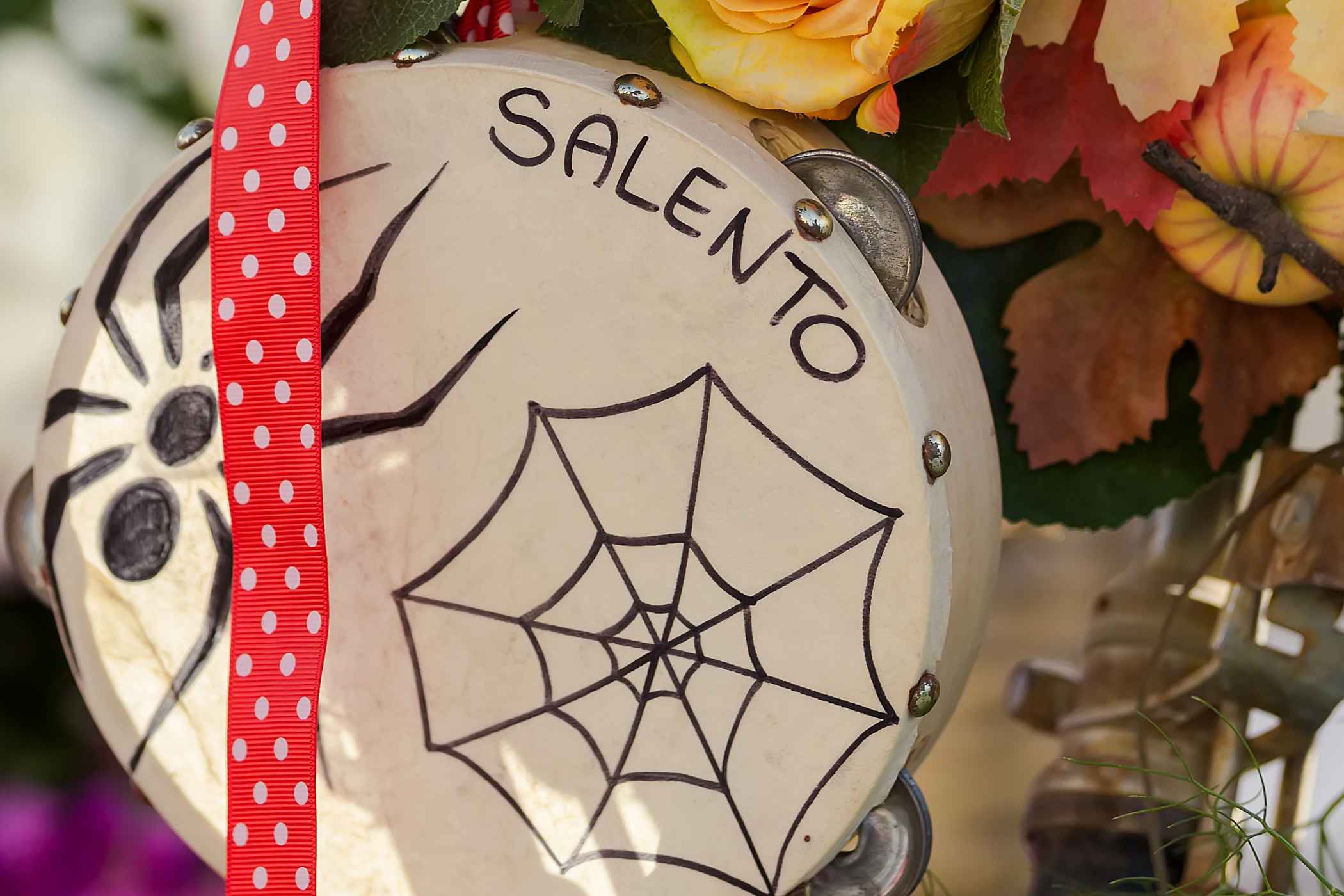
The pizzica and taranta are profound expressions of the musical and folk tradition of Puglia, particularly in Salento, a region rich in history and culture. The pizzica is an energetic and engaging folk dance accompanied by traditional instruments such as the tamburello and the diatonic accordion. This dance originated as part of a therapeutic ritual linked to the phenomenon of tarantism, a belief that the bite of a tarantula caused a state of malaise that could only be cured through music and dance. The taranta symbolizes the phenomenon of tarantism, a trance-like condition induced by the bite of the tarantula. The pizzica was therefore the cure, a frenetic, rhythmic dance that helped the ‘bitten’ person to free themselves from evil through movement and music.
Over time, this tradition has evolved into a true form of cultural and artistic expression, celebrated today in festivals such as “La Notte della Taranta”, which attracts thousands of people every summer. Anyone fascinated by this tradition can enjoy a unique experience by participating in pizzica workshops organized in various locations throughout Puglia. During the lessons, you will learn not only the choreographed movements but also the community spirit that characterizes pizzica, often experienced during the “ronde popolari”, moments of celebration and sharing.
Getting There
By train
To reach the heart of Salento’s folk traditions by rail, you can take a high-speed Frecciarossa train directly to the Lecce railway station, the main rail terminal of the peninsula. From Lecce, you can seamlessly connect to the local Ferrovie del Sud Est (FSE) regional lines, which wind deeper into the southern territory to stop at historical towns like Galatina, Maglie, and Otranto.
By car
Driving offers total freedom to jump between coastal towns and hidden inland venues. From the north, take the A14 Bologna-Taranto highway southbound, exit at Bari Nord, and follow the SS16 state road directly through Brindisi straight down into Lecce. From Lecce, a series of well-signposted provincial roads (like the SS101 toward Gallipoli or the SS16 toward Maglie) will take you directly to rural venues.
By bus
For regional public transit travelers, the local “Salento in Bus” network operates extensive seasonal routes connecting central Lecce to smaller agricultural municipalities. These regional buses drop passengers off at central squares, making village events easy to reach.
Below you’ll find the location marked on Google Maps. Click on it to open the location directly on your device’s maps.
Useful Contacts
- Fondazione La Notte della Taranta (Official Festival & Cultural Registry Office):
- Website: lanottedellataranta.it
- Lecce Welcome – Comune di Lecce (Municipal Tourism Desk):
- Website: leccewelcome.it
- Associazione Danze Popolari Salento (Local Folk Dance Workshop Directory):
- Website: pizzicadanzapopolare.it
What to Bring & Pro Tips
- Book your spot in a pizzica workshop ahead of time, as these popular courses are open to everyone from beginners to enthusiasts.
- Dress in lightweight, breathable clothing, as this is a frenetic, rhythmic dance that requires continuous, energetic movement.
- Wear comfortable, flat athletic shoes or choose to dance barefoot if the class takes place on the smooth, traditional stone of local farmhouses or historic squares.
- Bring a large cotton or linen scarf, as this traditional prop is frequently used by expert dancers to guide the choreographed movements and expression of the dance.
- Put a large refillable water bottle and a small sweat towel in your bag, as the engaging rhythm of the tamburello and accordion will keep you moving constantly.
- Stick around after the formal lesson ends, as you will often have the chance to practice your new basic steps during the “ronde popolari”, which are spontaneous moments of celebratory community sharing.
The “Hidden Gem”
Once you have finished mastering the basic steps of the pizzica and matching the frantic beat of the tamburello, take a short drive to the historical town of Galatina to visit the Basilica of Santa Caterina d’Alessandria.
Instead of staying entirely focused on the modern festival stages, head to the town of Galatina – internally famous as the historical epicenter of the tarantism phenomenon. Just a short walk from the chapel where the “bitten” used to pray for healing, you will find this breathtaking 14th-century Franciscan basilica. The interior is completely covered from floor to ceiling in stunning, vivid Giotto-style frescoes that rival the famous basilica in Assisi, depicting dramatic biblical scenes with incredible color and detail. Walking through these silent, frescoed stone halls offers a wonderfully majestic and deeply moving cultural break, rewarding travelers with a profound look at the complex spiritual and artistic history that mirrors Salento’s ancient musical rituals.
