

What You Need to Know: Useful Information
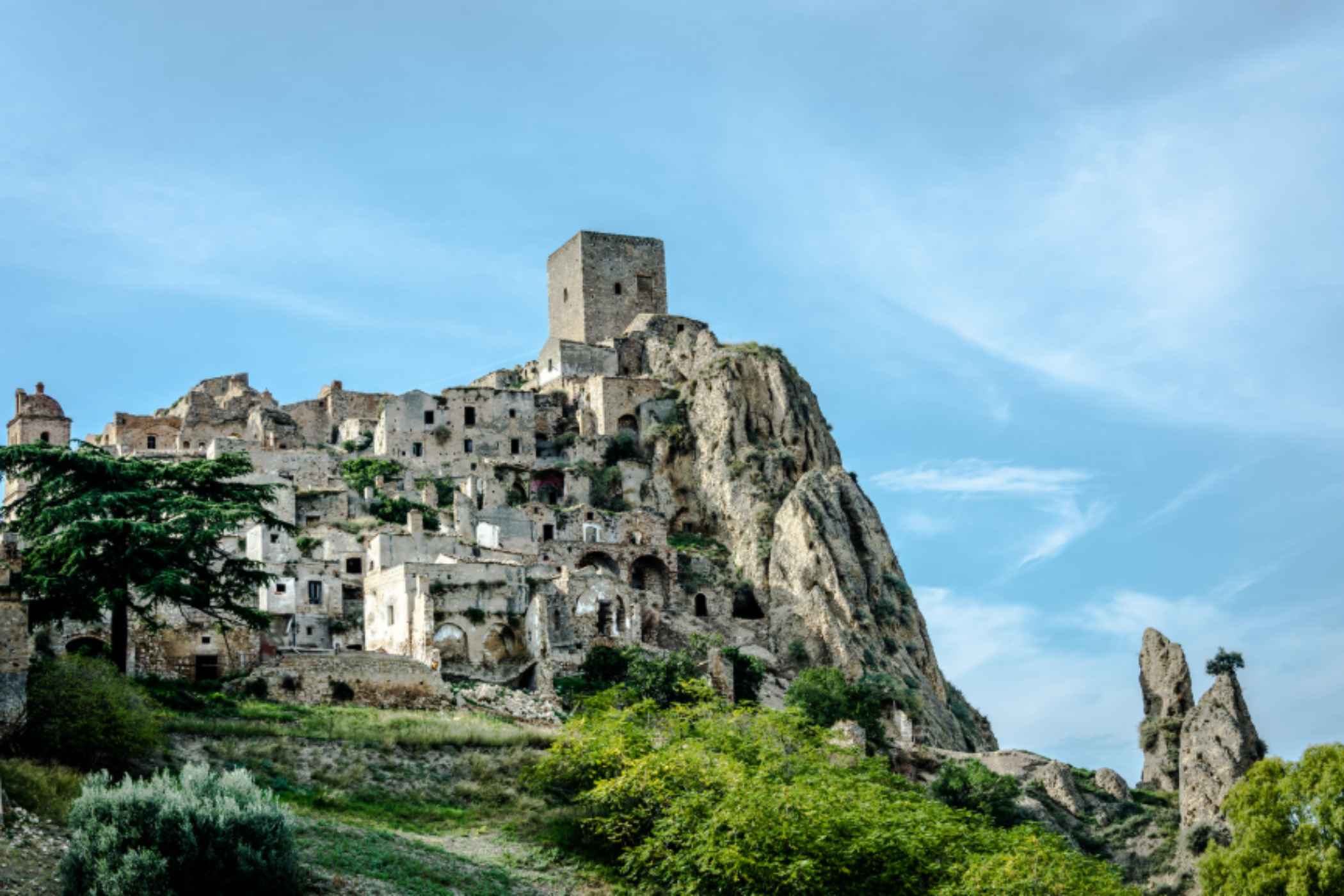
Craco is an ancient medieval village located in Basilicata, in the province of Matera, perched on a rocky spur about 60 kilometers from the city of Matera. This charming village is known as a “ghost town” because it has been gradually abandoned since the 1960s due to a series of natural disasters that have compromised its stability. In particular, the clay soil on which it stands is prone to landslides and mudslides, leaving the village suspended in an almost surreal atmosphere. Today, Craco stands as a unique testimony to history and architecture that has remained intact over time. Visiting Craco means immersing yourself in a journey into the past, through cobbled streets, ancient churches, noble palaces, and Norman towers that tell the story of centuries of life and traditions. Because access to the historic center is strictly regulated for safety reasons, visits are conducted by authorized guides who allow you to discover the history, legends, and local curiosities. Guided tours are available year-round with varying schedules.
Getting There
By train
To get close to this hilltop ruin by rail, you can take a regional Ferrandina-Scalo train to the Ferrandina railway station, or travel directly to the main Matera Centrale station. Since Craco is entirely isolated on a high rocky spur in the badlands, you will need to continue your journey from these stations by renting a car or booking a local provincial shuttle to reach the visitor center.
By car
Driving is by far the most practical option to reach this remote historic site. From Matera, take the SS106 state road southbound toward Metaponto, turn onto the SS407 Basentana highway, exit at Pisticci, and follow the local provincial roads (SP5) climbing up into the clay hills straight to Craco. If you are coming from Potenza, travel eastward along the SS407 Basentana directly to the Pisticci/Craco turnoff.
By bus
For regional public transit travelers who prefer this option, local intercity buses managed by the Sita Sud network operate regional routes that connect the central bus stations of Matera and Pisticci to the modern valley town of Craco Peschiera. From the valley floor, a short taxi ride or a local connecting shuttle is required to ascend to the historic medieval ruins.
Below you'll find the location marked on Google Maps. Click on it to open the location directly on your device's maps.
Useful Contacts
- Comune di Craco – Ufficio Cultura e Turismo (Craco Municipal Tourism Board):
- Website: comune.craco.mt.it
- Craco Ricerche / Parco Museale Scenografico di Craco (Official Guided Tour Booking):
- Website: oltremateravirtuale.it
- Ufficio Informazioni Turistiche Matera (Matera Regional Information Desk):
- Phone: +39 0835 331983
What to Bring & Pro Tips
- Remember that access to the historic center is strictly regulated for safety reasons, so you must secure your tickets online and always walk with authorized guides.
- Wear sturdy, closed-toe walking shoes or hiking boots with excellent grip, as you will be traversing steep, uneven cobbled streets and loose clay terrain.
- Bring a smartphone or a camera to capture the surreal atmosphere of the Mother Church of San Nicola, the Norman Tower, and the Castle.
- Put a refillable water bottle and a wide-brimmed sun hat in your bag, as the exposed rocky spur receives direct sunlight with very little shade during the day.
- Keep in mind that a safety helmet will be provided directly by the visitor center staff before your tour departure, and it must be worn at all times while exploring the historic center.
- Check the weather and tour availability before departing, as scheduled hours vary throughout the year and entry into the ruins can be restricted during heavy rainfall due to landslide risks.
The “Hidden Gem”
Once you have finished exploring the silent, abandoned noble palaces and viewing the historic Norman towers, take a short drive down the valley to explore the otherworldly landscape of the Calanchi di Aliano (Badlands of Aliano).
Instead of returning directly to the busy streets of Matera, head deeper into the surrounding countryside to find a spectacular, lunar landscape of giant white clay dunes, deep canyons, and sharp ridges carved entirely by rain erosion. Perched right on the edge of these dramatic gorges sits the tiny village of Aliano, famously known as the place of exile for the writer Carlo Levi, who immortalized this raw landscape in his book Christ Stopped at Eboli. Visiting the writer’s old home and walking through the quiet stone streets offers a deeply moving and artistic cultural break, rewarding travelers with an incredible, sweeping look at the wild and timeless heart of the Basilicata badlands.
