

What You Need to Know: Useful Information
If you want to skip the overpriced tourist-trap restaurants and experience Venice exactly like a local, you need to go on a Bàcaro Tour.
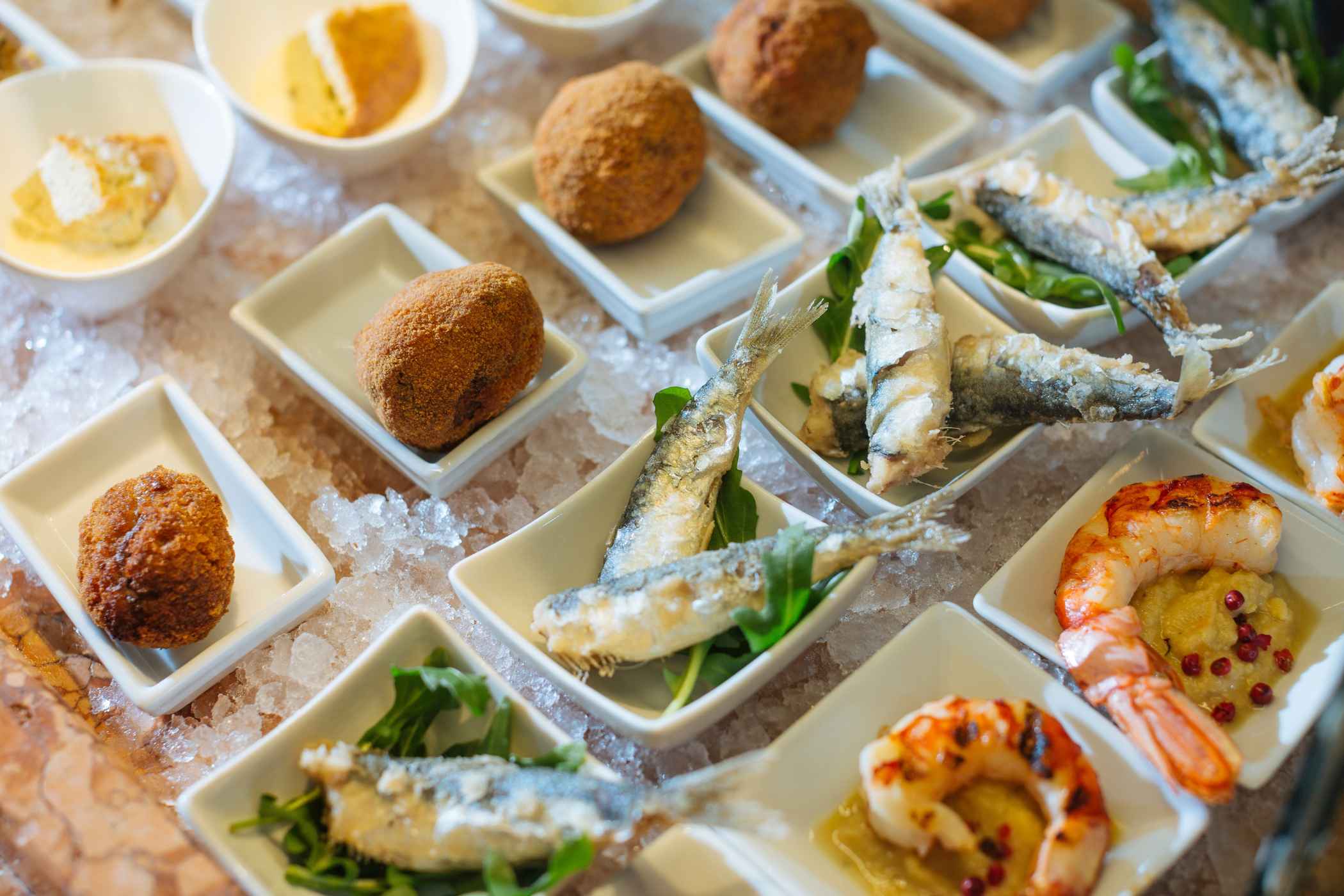
In Venice, a bàcaro is a tiny, unpretentious neighborhood tavern where locals gather to unwind. The name is said to stem from Bacco (Bacchus, the god of wine) or the old Venetian phrase far bàcara, meaning to celebrate. These traditional bars don't focus on formal sit-down meals; instead, they serve ombra (a small glass of local house wine) alongside cicchetti – bite-sized Venetian tapas displayed proudly behind glass counters. A Bàcaro Tour is simply a moving feast, wandering from one tavern to the next across Venice’s labyrinth of canals, eating, drinking, and socializing at every stop.
Getting There
The Best Neighborhoods:
While bàcari are scattered everywhere, avoid the high-priced areas directly around St. Mark’s Square. For the most authentic concentration of bars, head to the Cannaregio district (along the Fondamenta Misericordia) or the back streets of San Polo near the bustling Rialto Market.
By Foot:
Venice is entirely pedestrian. A successful tour relies on walking from bar to bar. Keep a digital map handy, but don't be afraid to get lost – that is often how the best hidden taverns are found.
By Traghetto:
If your tour takes you from the San Polo side of the Grand Canal over to Cannaregio, save time by hopping on a Traghetto – a large public gondola ferry that shuttles passengers across the canal at designated points for just 2 euros.
Below you'll find the location marked on Google Maps. Click on it to open the location directly on your device's maps.
The “Hidden Gem“
While exploring the San Polo district, seek out Cantina Do Mori (Sestiere San Polo 429). Established in 1462, it is widely recognized as the oldest active bàcaro in Venice. Legend has it that the famous Venetian lover, Giacomo Casanova, frequented this exact dark, wood-paneled tavern to meet his trysts. With no seats, a long wooden counter, and giant demijohns of wine lining the floor, stepping inside feels like walking straight into a 15th-century painting.
