

What You Need to Know: Useful Information
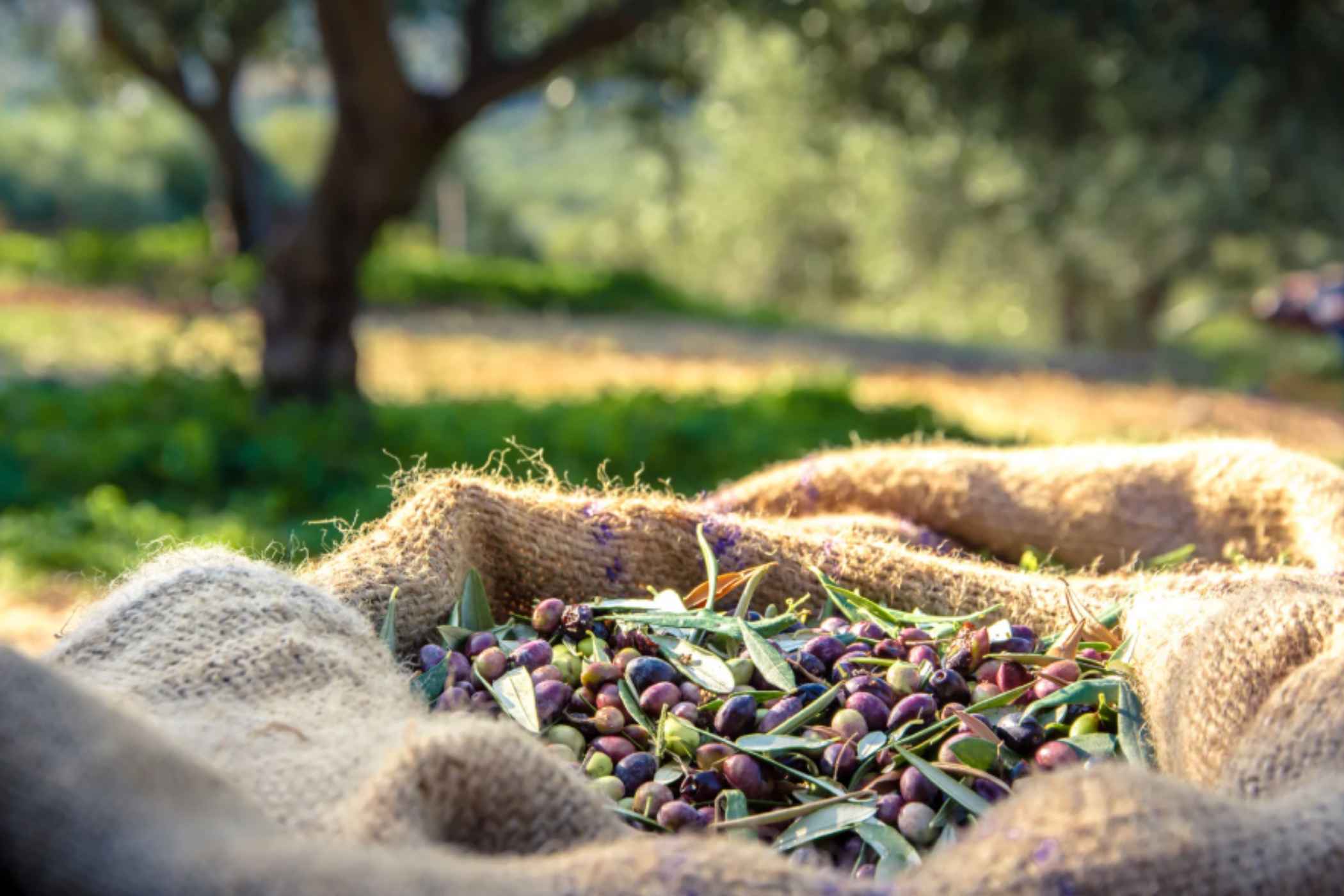
Apulian extra virgin olive oil is one of the most precious treasures of the Apulia region, renowned worldwide for the quality and unique flavor of its oil. Thanks to the Mediterranean climate, fertile soil, and centuries-old tradition, Apulian oil stands out for its rich aromas, fruity taste, and beneficial properties for the skin and health. It is not only a fundamental ingredient in cooking, but also the basis for the production of high-quality handmade soaps.
Apulian olive oil soaps are prized for their delicacy and moisturizing and nourishing properties, which derive from the high percentage of extra virgin olive oil. These natural soaps are made using traditional methods, often with a cold process, which preserves all the qualities of the oil. The result is natural products that are kind to the skin and the environment, ideal for those looking for an alternative to industrial soaps. In Puglia, thanks to the rediscovery of ancient artisan traditions, numerous workshops dedicated to the production of handmade soap with local olive oil have sprung up. These workshops offer courses for anyone who wants to learn the art of soap making, from choosing ingredients to processing and shaping the soap.
Getting There
By train
To reach the historic olive-growing territories by rail, you can take a high-speed Frecciarossa train directly to the Bari Centrale or Brindisi railway station. From these main junctions, regional lines like the Ferrovie del Sud Est (FSE) connect directly to inland agricultural towns, putting you within walking distance of historical craft studios and rural estates.
By car
Driving is an exceptional option for visiting the traditional masserie (fortified farmhouses) nestled among ancient olive groves where these courses are often held. From the north, take the A14 Bologna-Taranto highway down the Adriatic coast, exit at Bari or Monopoli, and follow the local state roads (such as the SS16 or SS379) inland toward the valley of the monumental olive trees.
By bus
For regional public transit travelers, various intercity and regional bus networks run daily routes connecting major coastal ports to smaller farming communities. These buses drop passengers off at central municipal plazas, making the rural artisan workshops easily accessible.
Useful Contacts
- Associazione Italiana Oleologi (Apulian Extra Virgin Olive Oil Artisan Network):
- Website: oleologi.it
- Viaggiare in Puglia (Official Puglia Regional Tourism Board):
- Website: viaggiareinpuglia.it
- Movimento Turismo dell'Olio Puglia (Apulian Olive Oil Tourism Movement):
- Website: mtopuglia.it
What to Bring & Pro Tips
- Secure your workshop booking online ahead of time, as these creative artisan courses keep group sizes small to give everyone personalized guidance around the processing tables.
- Wear comfortable, old clothing with long sleeves that you do not mind getting dirty, as you will be working directly with raw extra virgin olive oil, lye solutions, and natural colorants.
- Remove any delicate rings, watches, or bracelets before the session starts, as you will need free movement to safely master the manual skills of measuring and mixing ingredients.
- Bring a smartphone or a camera to capture the traditional cold-process techniques and the beautiful custom shapes you create during the class.
- Wear flat, closed-toe shoes with slip-resistant soles, as workshop floors can sometimes get slick during the processing and pouring stages.
- Pack a small box or leave space in your luggage for the custom, genuine bars of soap you make, keeping in mind that cold-process soap typically needs a few weeks to fully cure before its first use at home.
The “Hidden Gem”
Once you have finished mixing your natural olive oil base and shaping your custom artisan soap bars, take a short drive to explore the Underground Oil Mills of Presicce (Frantoi Ipogei).
Instead of staying entirely focused on modern craft shops and surface-level farms, head deep into the southern Salento region to the town of Presicce, famously known as the “City of Underground Oil Mills.” Beneath the elegant baroque squares and historic palazzi lies a massive, hidden subterranean network of over twenty ancient olive mills carved directly into the soft limestone by hand starting in the 12th century. Walking down into these cool, shadow-filled rock chambers—where operators and animals once lived and worked in total darkness for months at a time to press the region's “green gold”—offers a wonderfully evocative and profound historical break, rewarding travelers with an unforgettable look at the historical roots of Apulia's olive oil empire.
