

What You Need to Know: Useful Information
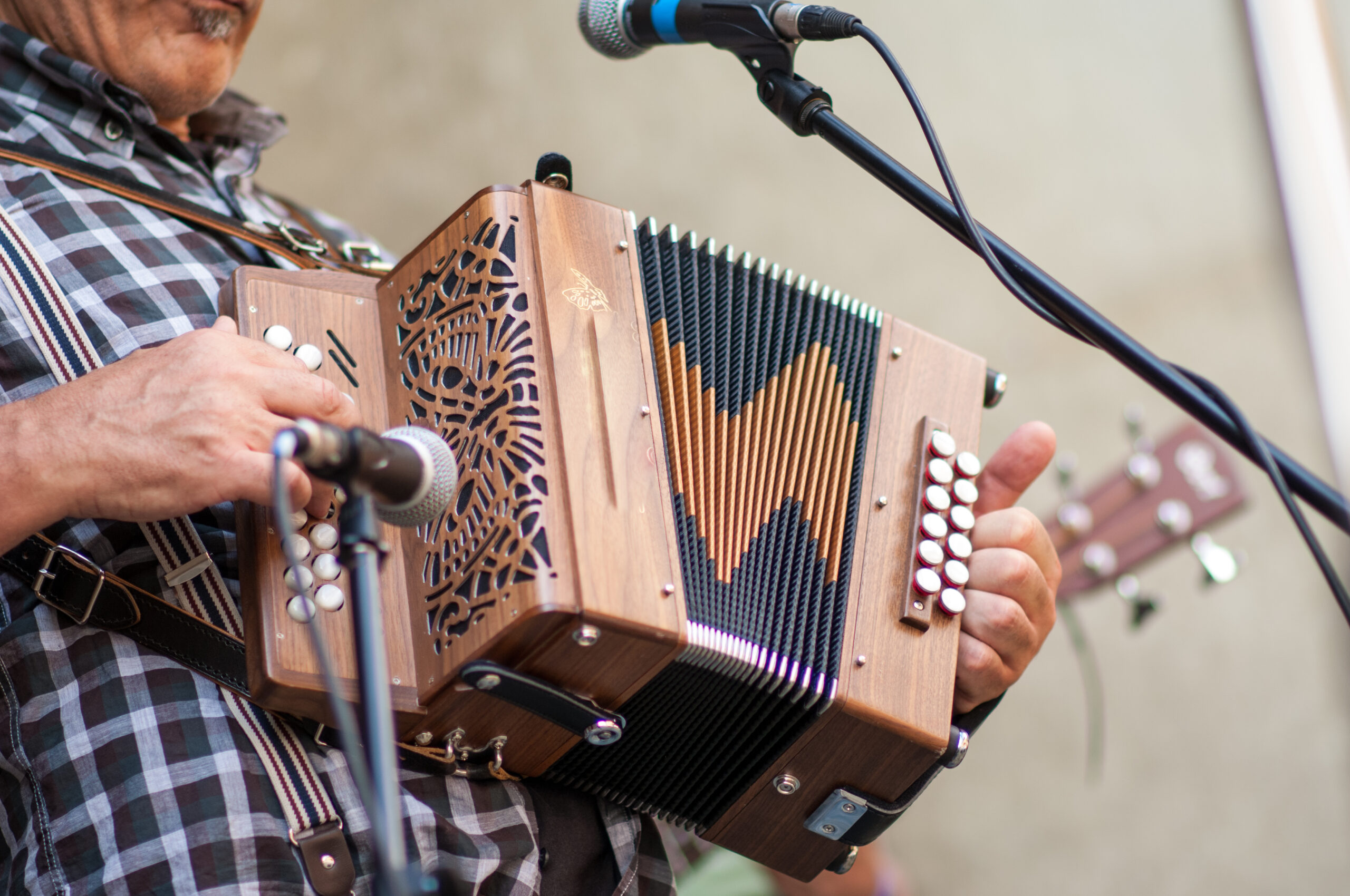
High in the rugged, sun-drenched valleys of western Piedmont, a medieval heartbeat is still going strong. This is the land of the Occitan people, an ancient ethnolinguistic community whose culture stretches from southern France right into Italy’s alpine borderlands. Here, music isn’t just something you listen to – it is something you live. Occitan dances are vibrant, high-energy group dances that have survived in these mountain communities for over 800 years. If you are looking to experience a side of Italy completely untouched by mainstream tourism, stepping into a village square filled with whirling dancers, swirling accordions, and pure Alpine joy is as authentic as it gets.
Getting There
- By Car: The Occitan valleys (Val Varaita, Valle Maira, Valle Grana, Valle Stura) are located southwest of Turin, primarily in the province of Cuneo. Take the A6 highway from Turin toward Savona, exiting at Cuneo. From Cuneo, regional roads (like the SP105 for Val Varaita) lead directly up into the mountains. A car is highly recommended, as mountain public transit is limited.
- By Train: Take a regional train from Torino Porta Nuova to the Cuneo railway station (about 1 hour and 10 minutes). From Cuneo, you will need to rely on local valley buses.
- By Bus: The Benese and STP bus companies run routes connecting the Cuneo train station to main valley villages like Sampeyre, Dronero, and Demonte, though services are reduced on Sundays and holidays.
Below you’ll find the location marked on Google Maps. Click on it to open the location directly on your device’s maps.
Useful Contacts
- Espaci Occitan (Cultural Association & Info Center): +39 0171 904075 | [email protected]
What to Bring & Pro-Tips
- What to Pack: Comfortable, flat shoes with a smooth sole are a must for spinning on stone-paved piazzas. Bring layers – even if it is blistering hot in the daytime, temperatures drop rapidly in the alpine valleys as soon as the sun dips behind the peaks.
- Pro-Tip: If you feel shy about joining the dance, look out for the Courenta or the Balet. These are two of the most popular and repetitive dances. Watch the locals’ feet for just one round, find a friendly face, and jump right into the circle.
The “Hidden Gem“
While exploring the valleys, make a detour to the Sanctuary of San Magno in Valle Grana. Perched spectacularly at an altitude of over 5,700 feet, this isolated 15th-century mountain sanctuary looks like something out of a fairy tale. Inside, the chapel is covered in breathtaking, vibrant frescoes painted by the medieval master Pietro da Saluzzo. It offers a deeply peaceful, spiritual contrast to the roaring energy of the folk festivals down in the valleys.
