

What You Need to Know: Useful Information
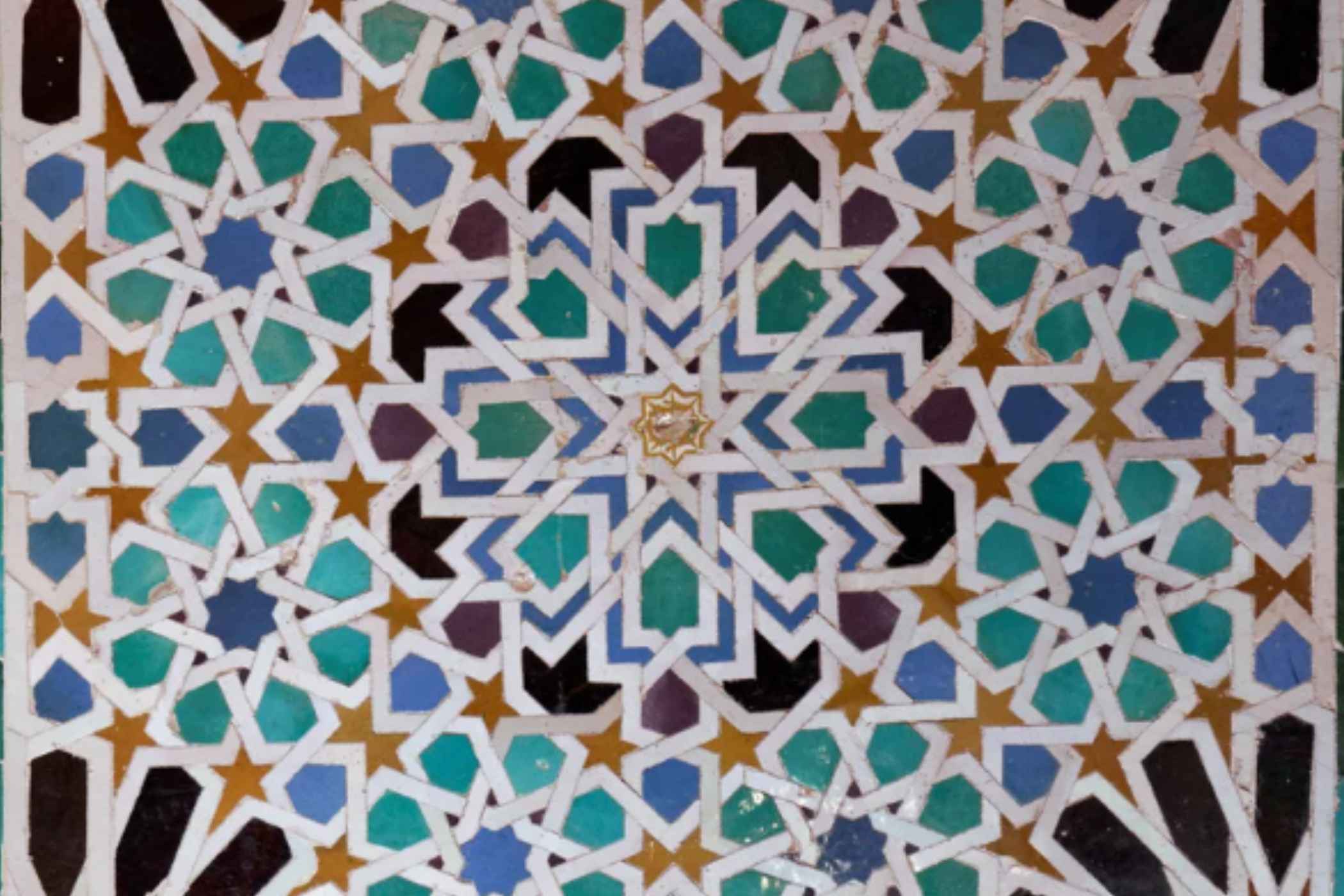
Perched gracefully on the high banks of the wide, gravelly Tagliamento River in western Friuli, Spilimbergo is a vibrant canvas woven from millions of tiny stone and glass tiles. Earning the international title of “The City of Mosaics” this picturesque medieval town has been a global epicenter for tile artistry for over a century. It is home to the prestigious Scuola Mosaicisti del Friuli (Mosaic School of Friuli), founded in 1922 to channel the region’s ancient stone-cutting heritage into a formal academy. Today, Spilimbergo is a living, breathing studio where students from every corner of the globe gather to fuse Roman and Byzantine techniques with bold, avant-garde contemporary design.
Getting There
By Car:
From the A28 highway (Portogruaro-Pordenone), exit at Cimpello and follow the SR177 straight north for about 25 minutes directly into Spilimbergo. If you are driving from Udine, a scenic 30-minute drive westward across the Tagliamento River along the SP60 brings you right to the town gates.
By Train & Bus:
Spilimbergo does not have an active passenger train station. Take a mainline train to Pordenone or Udine. From right outside either station, hop on a direct TPL FVG regional public bus, which will drop you off at the Spilimbergo central bus terminal in approximately 40 to 50 minutes.
Below you’ll find the location marked on Google Maps. Click on it to open the location directly on your device’s maps.
Useful Contacts
- Scuola Mosaicisti del Friuli Office: +39 0427 2077 | [email protected]
What to Bring & Pro-Tips
- If you are participating in a hands-on workshop, wear comfortable, casual clothes and closed-toe shoes.Cutting stone with the martellina generates tiny, flying chips of marble and stone dust, making open sandals or delicate fabrics highly impractical.
- Look closely at the ground as you walk under the town’s medieval arcades (portici). Many sections feature spectacular Terrazzo alla Veneziana (Venetian terrazzo) – a seamless floor technique made by embedding thousands of tiny leftover mosaic marble chips directly into a lime mortar and polishing it flat, transforming a building’s foundations into a giant piece of smooth, walkable art.
- Remember to check and book in advance.
The “Hidden Gem“
While most visitors spend their time inside the Mosaic School, take a quiet walk to the eastern edge of the historic center to find the Duomo of Santa Maria Maggiore. Built in 1284 right against the ancient defensive town walls, its simple stone exterior hides a breathtaking secret inside the main apse: a massive, floor-to-ceiling cycle of 14th-century Gothic frescoes. These vibrant, ancient paintings depict scenes from the Old and New Testaments with such geometric precision and blocky, dramatic colors that they look remarkably like a giant, painted blueprint for a monumental mosaic – serving as a stunning, silent inspiration for the town’s stone carvers for over 700 years.
