

What You Need to Know: Useful Information
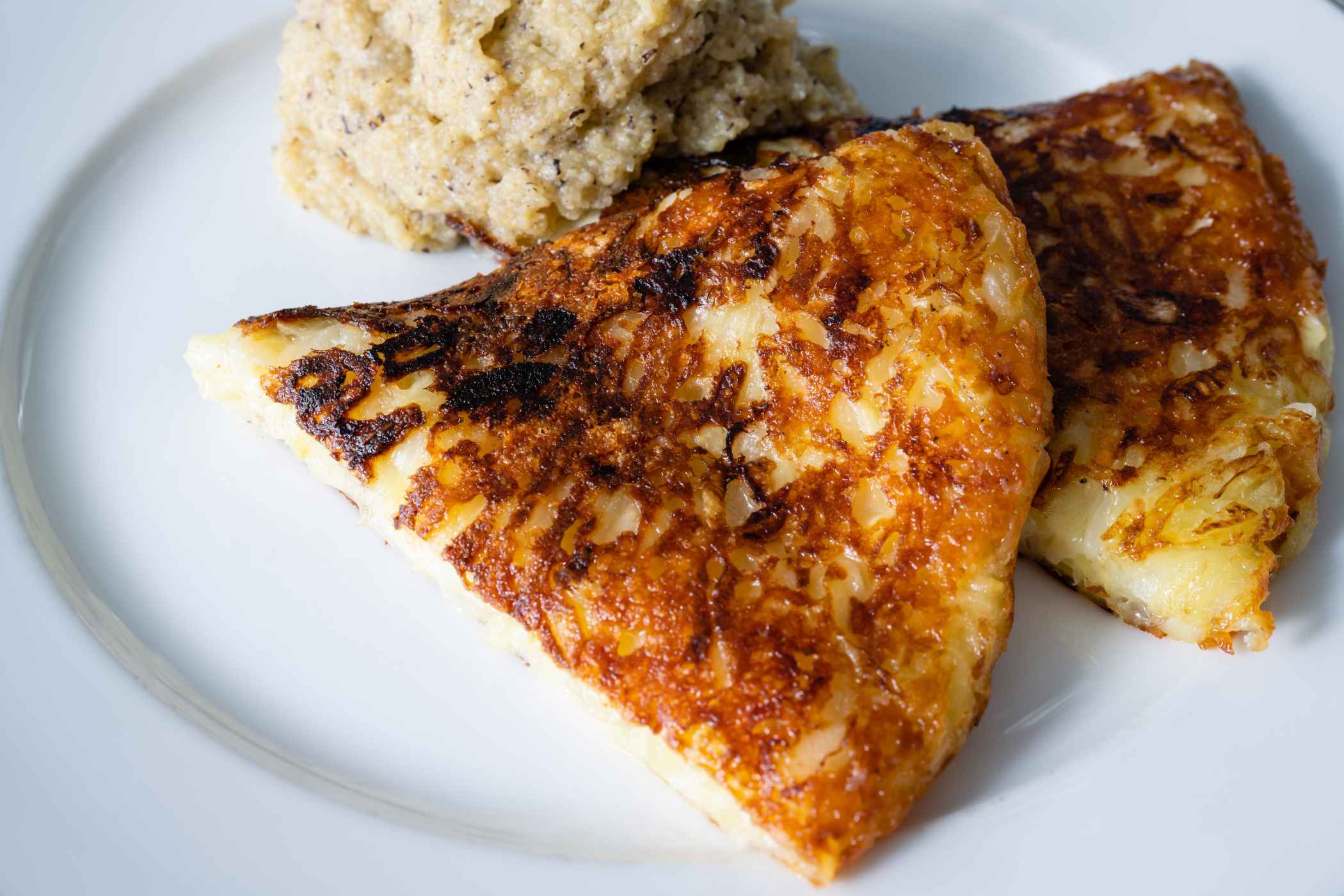
If you want to taste the absolute soul of Friulian comfort food, you need to pull up a chair for a plate of Frico. Originating centuries ago as a clever, zero-waste peasant dish in the rugged Carnia mountains, this rustic delicacy was created by alpine herders to utilize leftover rind clippings of local cheese. Today, Frico has evolved into the undisputed national dish of the Friuli-Venezia Giulia region. It is a savory, pan-fried masterpiece that combines native dairy craft, humble root vegetables, and a masterful handling of textures, transforming simple mountain ingredients into a symbol of local warmth and conviviality.
Getting There
By Car:
To find the most authentic mountain workshops, a car is highly recommended. From Udine, drive north along the SS52 highway straight into the Carnia mountains (hubs like Tolmezzo or Sutrio are hotspots for traditional cooking schools) in under 45 minutes.
By Train & Bus:
Take a mainline train to the central station in Udine or Pordenone. From either rail hub, the regional TPL FVG bus network runs regular lines out to the surrounding foothills and historic village centers where cooking workshops are held.
Useful Contacts
- Friuli-Venezia Giulia Tourism Information Board: +39 0431 387111 | [email protected] | Friuli-Venezia Giulia Tourism Office
What to Wear & Pro-Tips
- If you are attending a hands-on culinary class, wear casual clothes that you don’t mind washing immediately. Cooking Frico involves frying cheese at high temperatures, meaning the delicious but intense aroma of sizzling mountain cheese and caramelized onions will happily cling to your clothes for the rest of the day!
- Check and book in advance your cooking class.
- Beware the two distinct styles of Frico! While Frico Morbido (soft) contains potatoes and onions, Frico Frizzo (crunchy) is made exclusively of aged Montasio cheese fried quickly in a hot pan without any vegetables until it hardens into a thin, brittle, and lacy cheese cracker – perfect as a gourmet snack or soup garnish.
The “Hidden Gem“
Nestled at the foot of the Carnia mountains where this culinary tradition was born, the historic town of Tolmezzo serves as the cultural capital of the region. Visitors can explore the Carnic Museum of Popular Arts and Traditions (Museo Carnico), which houses one of Europe’s most extensive collections of rural life artifacts, traditional costumes, and historic alpine kitchens. A short drive away, the ancient Roman archaeological site of Zuglio reveals the fascinating ruins of Julium Carnicum, the northernmost Roman city in Italy. Wandering through these quiet mountain valleys offers a profound look into the resilient spirit and centuries-old heritage of the Carnic people. It is the perfect cultural journey to deeply connect with the rugged landscape that inspired such iconic, comforting flavors.
