

What You Need to Know: Useful Information
The Cervia Salt Pans are situated within the province of Ravenna. These are the smallest and northernmost salt pans in Italy, covering an area of approximately 827 hectares within a protected natural area that is part of the Po Delta Regional Park. This area is famous for its traditional production of sea salt and its rich biodiversity, especially for the presence of various species of water birds. The salt pans are easily accessible by car or public transport from nearby cities such as Ravenna or Rimini.
The essential starting point for the visit is the Salina di Cervia Visitor Center, where it is mandatory to book a guided tour, as independent access is not permitted. Excursions can be made on foot, by bicycle, electric boat, train, or canoe, offering different ways to explore the area. During the visit, you can observe the traditional process of extracting sweet salt and admire the surrounding nature.
Getting There:
By Train:
Take a regional train directly to the Cervia-Milano Marittima railway station, which sits comfortably on the Ferrara-Ravenna-Rimini mainline. From the station, the visitor center can be reached via a short taxi ride or local public transit lines.
By Car:
Travelers driving from nearby cities can easily navigate via the SS16 (Adriatica) state road, taking the direct exit for Cervia/Salina. Ample public vehicle parking is provided right at the entrance of the main visitor center.
By Public Transit:
Regional bus lines run frequent daily routes connecting central Ravenna (approximately 22 km north) and Rimini (approximately 30 km south) directly to the municipality of Cervia.
Below you’ll find the location marked on Google Maps. Click on it to open the location directly on your device’s maps.
Useful Contacts:
- Centro Visite Salina di Cervia (Main Visitor Center Office): +39 0544 973040 | [email protected] | Saline di Cervia
- Parco Regionale del Delta del Po (Po Delta Park Headquarters): +39 0533 81302 | Parco Delta Po
What to Bring & Pro Tips:
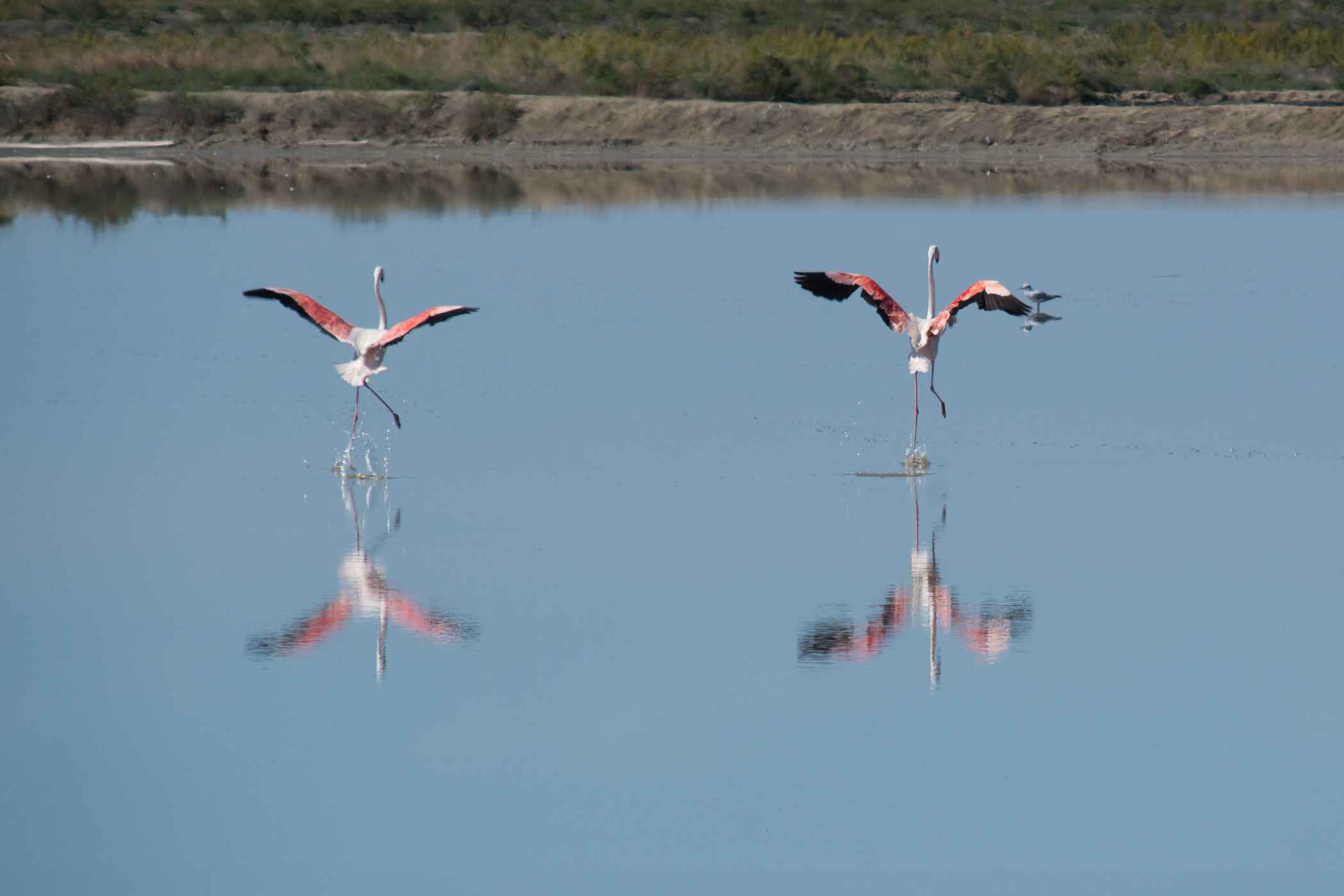
- To protect nesting sites, guided trails maintain a respectful distance from the bird colonies. Bringing a pair of high-quality binoculars or a camera equipped with a telephoto zoom lens is indispensable for viewing the pink flamingos and avocets clearly.
- The open salt pans offer zero canopy shade, and the reflection off the water amplifies UV rays. Pack a brimmed hat, heavy-duty sunscreen, and comfortable walking shoes.
- If your travel dates allow, always select the late-afternoon or sunset guided tours. The low angle of the sun transforms the white salt pans into giant pink and orange mirrors, offering unparalleled photography conditions.
The “Hidden Gem”:
While the vast majority of Cervia’s modern salt production was mechanized in the mid-20th century into large-scale evaporation basins, one tiny corner has been deliberately frozen in time to safeguard a priceless living heritage: the Salina Camillone. The Camillone represents the very last remaining primitive artisan salt pan in Cervia that is still worked entirely by hand using ancient, wooden tools and historical methods that date straight back to the Etruscan and Roman eras. Operated proudly by a dedicated cultural association of volunteer salt-workers (salinari), this open-air museum basin produces a limited, exceptionally high-grade crop of sweet sea salt every single day during the summer harvest. Visitors on specialized heritage tours can stand inches away from the wooden sluices, watch the salt being hand-raked into gleaming white pyramids, and truly understand the historic human labor that earned this mineral the title of “the white gold“ of the Adriatic.
