

What You Need to Know: Useful Information
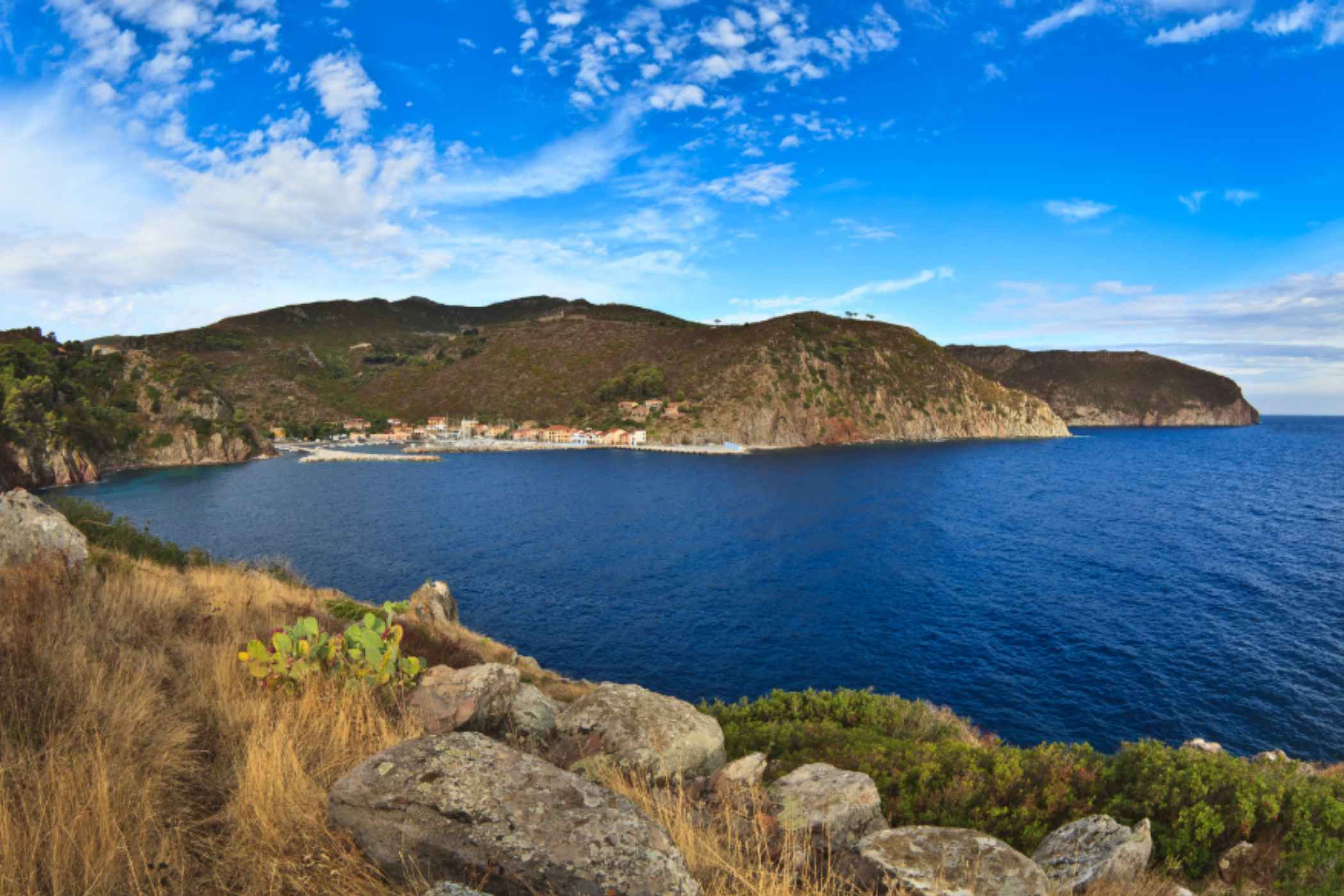
The island of Capraia is one of the pearls of the Tuscan Archipelago, located in the Tyrrhenian Sea. It is the third largest island in the archipelago after Elba and Giglio, but it is the least populated, characterized by an unspoiled natural environment and a peaceful and authentic atmosphere. Capraia is a volcanic island with a rugged landscape of cliffs and hidden coves, difficult to reach by land, making it ideal for those who love wild nature and hiking. Among the most interesting places are the Torre dello Zenobito, the former penal colony, and several historic churches such as Santo Stefano and Forte San Giorgio. The only sandy beach on the island is Cala della Mortola, while the other coves are mainly accessible by sea. Unlike Elba, Capraia is less touristy and can be a quieter alternative without losing any of the charm of discovery.
Getting There
By train
While you cannot take a train to the island itself, you can easily take Trenitalia mainline or high-speed trains directly to Livorno Centrale railway station. From the station, frequent local transit buses or taxi services will transport you directly to the passenger terminal at the Port of Livorno to catch your ferry connection.
By car
Driving allows you to travel to the coastal launch point at your own pace. Navigate via the A12 highway or the FI-PI-LI highway directly to the Port of Livorno. It is highly recommended to leave your vehicle in one of the secure, long-term guarded parking lots located near the maritime port area, as exploring Capraia’s wild landscape is best done entirely on foot.
By bus
For travelers looking for seamless transit, regional intercity buses connect major Tuscan cities like Florence and Pisa directly to the city center and port area of Livorno. From the main maritime harbor, you will board the ferry line to make the final crossing to the island.
Below you’ll find the location marked on Google Maps. Click on it to open the location directly on your device’s maps.
Useful contacts
- Port of Livorno Authority & Ferry Bookings: https://www.portolivorno.it
- Tuscany Tourism Office: https://www.regione.toscana.it/turismo
What to Bring & Pro Tips
- Because Capraia is less touristy than Elba, the island offers significantly fewer accommodation options, making it essential to plan ahead and book your lodging well in advance.
- To reach Capraia by ferry, you will depart from the port of Livorno, with the crossing taking about 2 hours and 45 minutes. Ticket prices vary depending on the time and season, so we highly recommend booking in advance and checking the departure timetables carefully to avoid unpleasant surprises.
- Don’t forget to pack high-traction hiking boots and snorkeling gear to fully enjoy the rugged, land-locked trails and pristine marine coves.
The “Hidden Gem”:
Once you have explored the volcanic cliffs, leave the shores behind and take a boat ride to the northern tip of the island to discover the surreal, abandoned ruins of the Capraia Agricultural Penal Colony (Ex Colonia Penale Agricola).
Instead of looking at standard tropical island structures, this sprawling, open-air historical complex is a haunting masterpiece of isolation and self-sufficiency. Active from 1873 until its closure in 1986, the cells, workshops, and terraced fields are carved directly into the rugged hillsides. Walking through the quiet, sun-bleached stone ruins where inmates once produced wine and cheese offers a wonderfully strange, historic break from the classic postcard views of Mediterranean resort life.
