

What You Need to Know: Useful Information
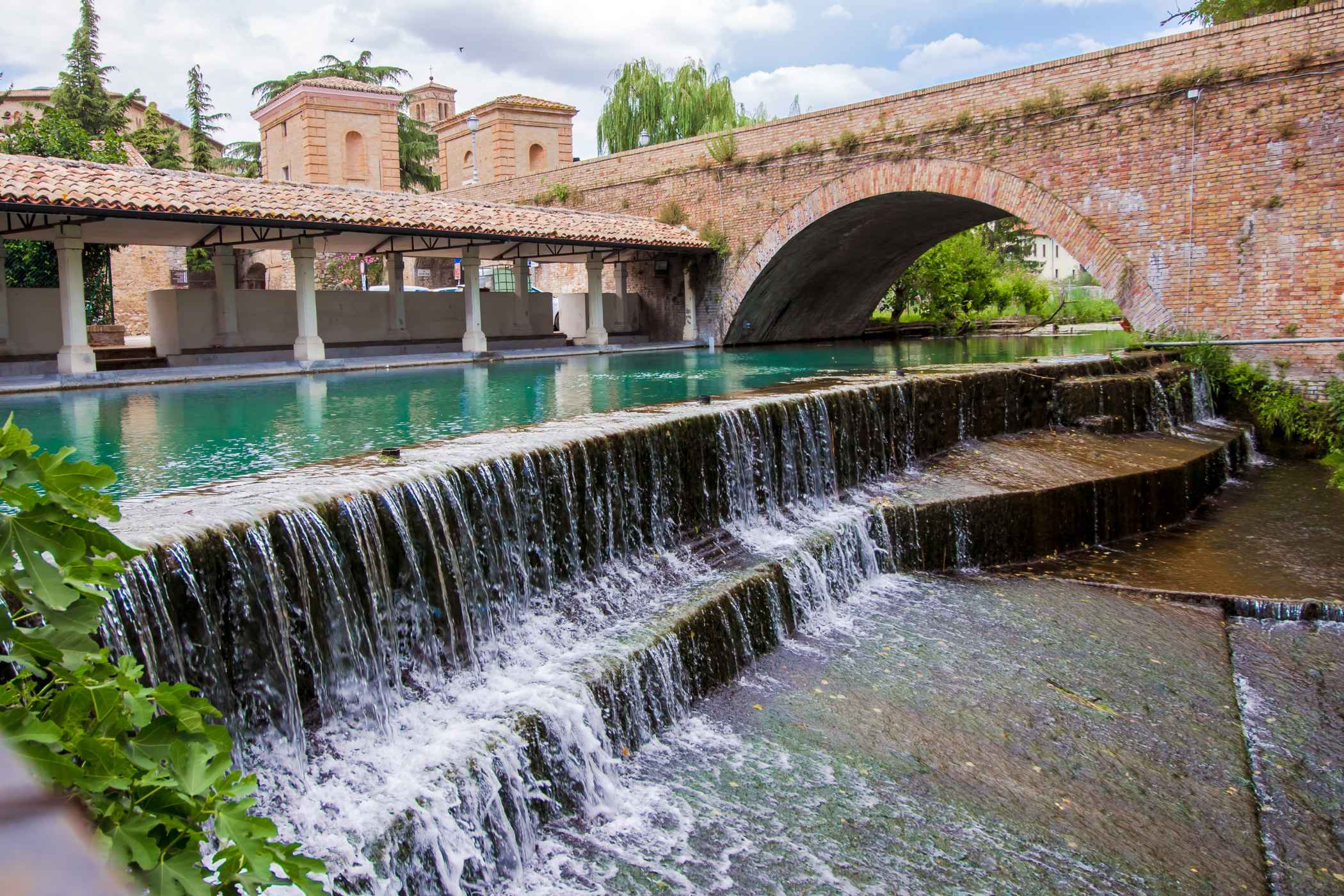
Bevagna is a charming village located in Umbria, a region in central Italy, in the province of Perugia. The village is renowned for its rich medieval history and the “Mercato delle Gaite”, a traditional reenactment held every June that draws many visitors from Italy and beyond. Bevagna has preserved its medieval appearance, with cobbled streets, ancient squares, and historic buildings. One of Bevagna’s distinctive features is its rich network of medieval workshops, which are historic laboratories where ancient crafts such as paper making, candle making, and silk processing are practiced. These workshops are not just exhibitions: they are open all year round and offer visitors the chance to see traditional techniques in action, often with master craftsmen explaining the manual processes and tools used in the Middle Ages. Guided tours can be booked to immerse yourself in this unique atmosphere and learn interesting facts about the work and daily life of the past.
Getting There
By train
Because Bevagna has preserved its historic layout, it does not have its own train station. You can take a regional train to Foligno railway station, which is the closest major rail hub, located about 10 kilometers away. From Foligno, you can easily catch a local connecting bus or a short taxi ride straight to the village gates.
By car
Driving is the absolute best way to reach the Umbrian valley at your own pace. If traveling from the north, take the A1 highway and exit at Valdichiana, then follow the SS75 toward Perugia and Foligno, exiting at Foligno Nord/Bevagna. From the south, take the SS3 Via Flaminia directly toward Foligno and follow the provincial signs.
By bus
For regional transit travelers, local Busitalia Umbria buses run regular daily routes connecting the neighboring towns of Foligno, Spoleto, and Assisi directly to the historic center of Bevagna, dropping you off just outside the ancient Roman walls.
Below you’ll find the location marked on Google Maps. Click on it to open the location directly on your device’s maps.
Useful contacts
- Ufficio Informazioni Turistiche Bevagna (Tourist Information Office): +39 0742 361667 | [email protected]
What to Bring & Pro Tips:
- Because Bevagna’s medieval workshops are operational and highly detailed, it is best to book your guided tours in advance to guarantee an English-speaking master craftsman is available to guide you through the labs.
- The village features entirely cobbled streets and authentic stone paving, so wearing flat, sturdy walking shoes is absolutely essential for a comfortable visit.
- If you are planning your trip around the “Mercato delle Gaite” in June, keep in mind that the village becomes incredibly crowded; you should lock in your accommodation and dining reservations months ahead.
- Don’t forget to bring some cash, as many of these laboratories sell incredible, handmade artisan souvenirs – like beeswax candles, pure silk threads, and cotton-rag paper – that make for truly unforgettable gifts.
The “Hidden Gem”:
Once you have watched the paper makers and silk spinners inside the village, leave the medieval squares behind and take a short drive out into the surrounding countryside to marvel at the Carapace di Castelbuono.
Instead of looking at a traditional stone winery cellar, this architectural masterpiece designed by the legendary modern sculptor Arnaldo Pomodoro is the world’s first completely liveable sculpture. Built for the Lunelli family’s estate, the winery is shaped like a giant, copper-covered tortoise shell exploding directly from the Umbrian hillsides, complete with intentional cracks that mirror the furrows of the surrounding soil. Stepping inside its sweeping, subterranean dome offers a wonderfully avant-garde, artistic break from the classic medieval history of the town, allowing travelers to taste exceptional Sagrantino di Montefalco wines while standing in a temple of contemporary Italian design.
