

What You Need to Know: Useful Information
Macerata is a city in the Marche region renowned for its long tradition of artisan weaving. This city, steeped in history and culture, preserves an ancient practice that embodies both art and local identity. Handcrafted weaving in Macerata is based on techniques passed down through generations, blending creativity and skill to produce unique, high-quality fabrics. One of the symbols of this tradition is the “La Tela” Weaving Museum, located in Vicolo Vecchio, 6, in the heart of Macerata. This museum is not only an exhibition of tools and textiles, but a real living workshop where the history of weaving in the Marche region is told. Visitors can admire ancient looms and discover the secrets of the traditional techniques used by local artisans. The Weaving Museum provides hands-on experiences, including workshops and courses in artisan weaving and macramé. These workshops are for anyone interested in learning to weave with hands-on guidance from skilled artisans, making them suitable for different age groups and offering a direct connection with a living historical craft.
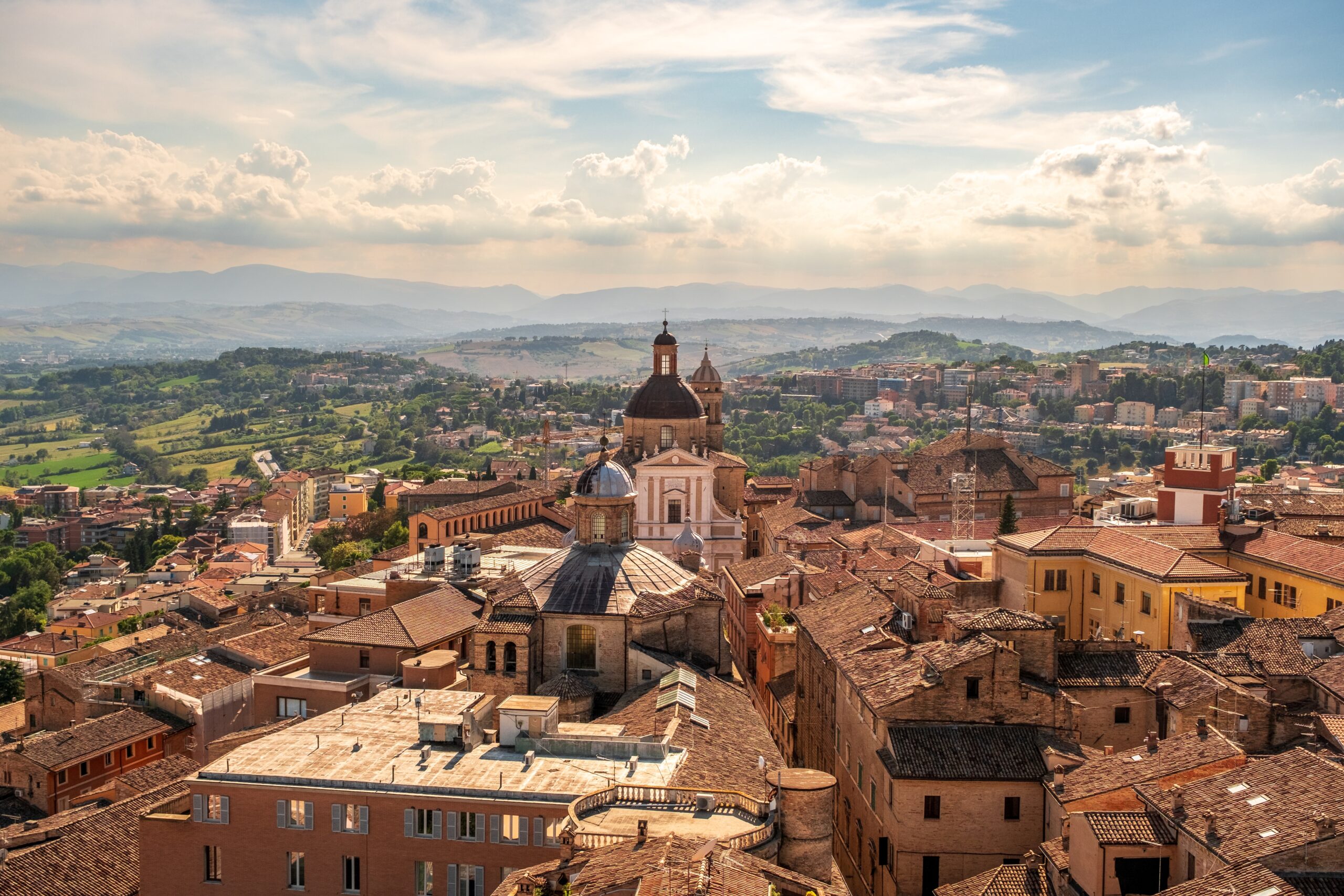
Getting There
By train
Macerata is accessible via the local regional rail network. You can take a Trenitalia train to Macerata railway station, which sits on the Civitanova Marche-Fabriano line. The station is positioned just outside the historic core, allowing for a short walk or a quick local bus ride up to the old town center.
By car
Driving through the rolling hills of the Marche region is a straightforward way to visit at your own pace. Take the A14 highway along the coast, exit at Civitanova Marche, and then hop onto the SS77 highway (Superstrada della Val di Chienti) directly inland, following the signs for the Macerata exits.
By bus
For regional public transit travelers, Contram and Autolinee Crivellaro operate daily intercity bus routes that connect Macerata to larger nearby hubs like Ancona, Loreto, and Civitanova Marche, dropping passengers off near the monumental city gates.
Below you'll find the location marked on Google Maps. Click on it to open the location directly on your device's maps.
Useful contacts
- Museo della Tessitura “La Tela” (Official Weaving Museum Desk): +39 0733 232178 | [email protected]
- Tipico Macerata – Ufficio Informazioni Turistiche (Macerata Tourist Info Hub): +39 0733 060486 | [email protected]
- Comune di Macerata – Ufficio Cultura (Municipal Cultural Heritage Office): +39 0733 2561| comune.macerata.it
What to Bring & Pro Tips
- Because the workshops and courses in artisan weaving and macramé feature intimate, hands-on guidance from skilled artisans, it is highly recommended to reach out to the museum in advance to check schedule availability and book your spot.
- Since the museum is tucked into Vicolo Vecchio, 6, within a historic, pedestrian-only section of the city center, ensure you wear comfortable, flat walking shoes to navigate the sloping alleys easily.
- If you participate in a textile workshop, leave a flat, clean section in your daypack to carry your delicate woven sample home safely without snagging the threads.
- Bring a camera that performs well indoors so you can document the moving parts of the ancient looms and intricate textile patterns without relying on a blinding flash.
The “Hidden Gem”:
Once you have run your fingers across the colorful warp and weft threads at the museum, take a short walk through the old town to discover the magnificent Sferisterio. Instead of a standard historic theater or a typical enclosed arena, this is a breathtaking, monumental open-air neoclassical stadium built in the 1820s. Originally designed by local citizens to host a traditional Italian hand-ball game (gioco del pallone col bracciale), its enormous curving wall and elegant colonnade of 56 arches were later converted into one of the world's premier open-air opera venues. Standing in the center of its massive, sun-drenched stage – renowned by international musicians for having some of the most perfect acoustic properties in Europe – offers a wonderfully grand, artistic contrast to the quiet, intimate spaces of the weaving workshops.
