

What You Need to Know: Useful Information
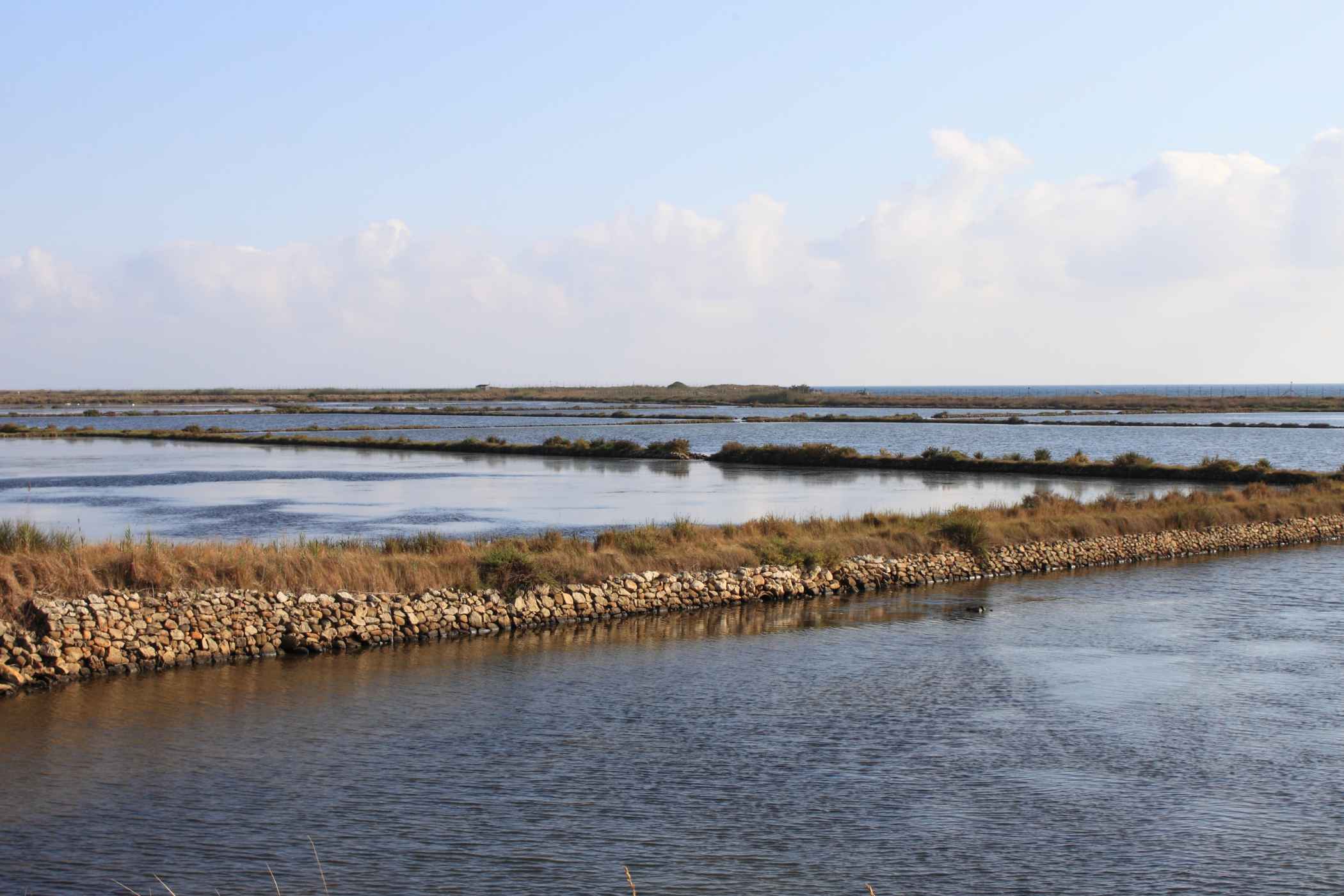
The Tarquinia Salt Pans are a state nature reserve located along the Tyrrhenian coast, in the municipality of Tarquinia, in the province of Viterbo. This protected area, covering approximately 170 hectares, is the only salt pan still in operation in the Lazio region and one of the few remaining on the Italian coast. The reserve is located near the city of Tarquinia, also famous for its Etruscan archaeological heritage, and extends over a vast coastal lagoon of about 100 hectares. The Saline di Tarquinia nature reserve offers a unique environment where you can admire a particularly rich and diverse flora and fauna. One of the most popular activities among visitors is birdwatching, where you can observe numerous species of resident and migratory birds that find refuge and nourishment in the brackish waters of the ponds. Among the protagonists of the birdlife are the pink flamingos, which appear in large flocks, especially during the spring and summer seasons.
Getting There
By train
You can take a regional Trenitalia train directly to Tarquinia railway station, which sits conveniently on the Rome-Ventimiglia line. The station is located down in the plains, roughly 3 kilometers from the coastline and the reserve, making it easy to catch a local suburban bus line or a quick taxi to the salt pans.
By car
Driving is an ideal way to visit the coastal area at your own pace. From Rome, take the A12 highway (Autostrada Azzurra) north toward Civitavecchia, continue along the SS1 Via Aurelia, and take the exit for Tarquinia. From there, follow local signage toward “Tarquinia Lido” and “Saline.”
By bus
For regional public transit travelers, COTRAL operates daily intercity bus lines connecting central Rome (from the Cornelia or Saxa Rubra stations) and Viterbo directly to the town center of Tarquinia, where you can transfer to local beach-bound shuttles.
Below you’ll find the location marked on Google Maps. Click on it to open the location directly on your device’s maps.
Useful Contacts
- Riserva Naturale Statale Saline di Tarquinia (Reserve Management Office): +39 0766 864605 | tarquiniaturismo.com
- Ufficio Turistico Tarquinia (Tarquinia Tourist Information Hub): +39 0766 845636 | [email protected]
What to Bring & Pro Tips
- Because the best time to visit the salt pans and observe the flamingos is from March to August, it is highly recommended to plan your trip during these months when environmental conditions maximize bird activity.
- If you plan to explore the reserve via the available walking and cycling trails, make sure to bring a sturdy pair of binoculars and a camera with a good telephoto lens to comfortably capture the birds without getting too close and disturbing their habitat.
- Since in summer, evaporation increases the salinity of the water and encourages the growth of algae like Dunaliella salina, the ponds take on striking pink or orange hues, which are best photographed during the golden hours of late afternoon.
- Bring plenty of mosquito repellent, sunscreen, and a windbreaker, as the open coastal lagoon offers very little shade and can get quite breezy.
The “Hidden Gem”
Once you have admired the flamingos and walked past the charming, partly abandoned historic salt marsh village, take a short drive inland to explore the marvelous Monterozzi Etruscan Necropolis.
Instead of looking at standard stone ruins or plain foundations, this UNESCO World Heritage site contains hundreds of ancient subterranean tombs cut directly into the limestone rock. What makes it absolutely spectacular is that it houses the largest and most important collection of pre-Roman painted tombs in existence, featuring vivid, 2,500-year-old frescoes that depict lively banquets, athletic games, and mystical creatures. Descending into the climate-controlled viewing chambers offers a wonderfully cool, profound cultural break from the sun-drenched coastal salt pans, rewarding history-loving travelers with an intimate look into the art and beliefs of the ancient Etruscan civilization.
