

What You Need to Know: Useful Information
Participating in a Neapolitan cooking workshop or a specific course to learn how to make traditional Neapolitan pizza is an enriching experience for both those who love cooking and those who want to discover authentic Italian culture. These immersive workshops provide a rare chance to learn Neapolitan cooking traditions and recipes passed down through generations. A typical Neapolitan cooking workshop teaches you how to make pizza, fresh pasta, homemade sauces, and traditional desserts like pastiera and babà. Learning to prepare these iconic dishes allows you to take a piece of Naples home, perfect for sharing with family and friends during authentic meals.
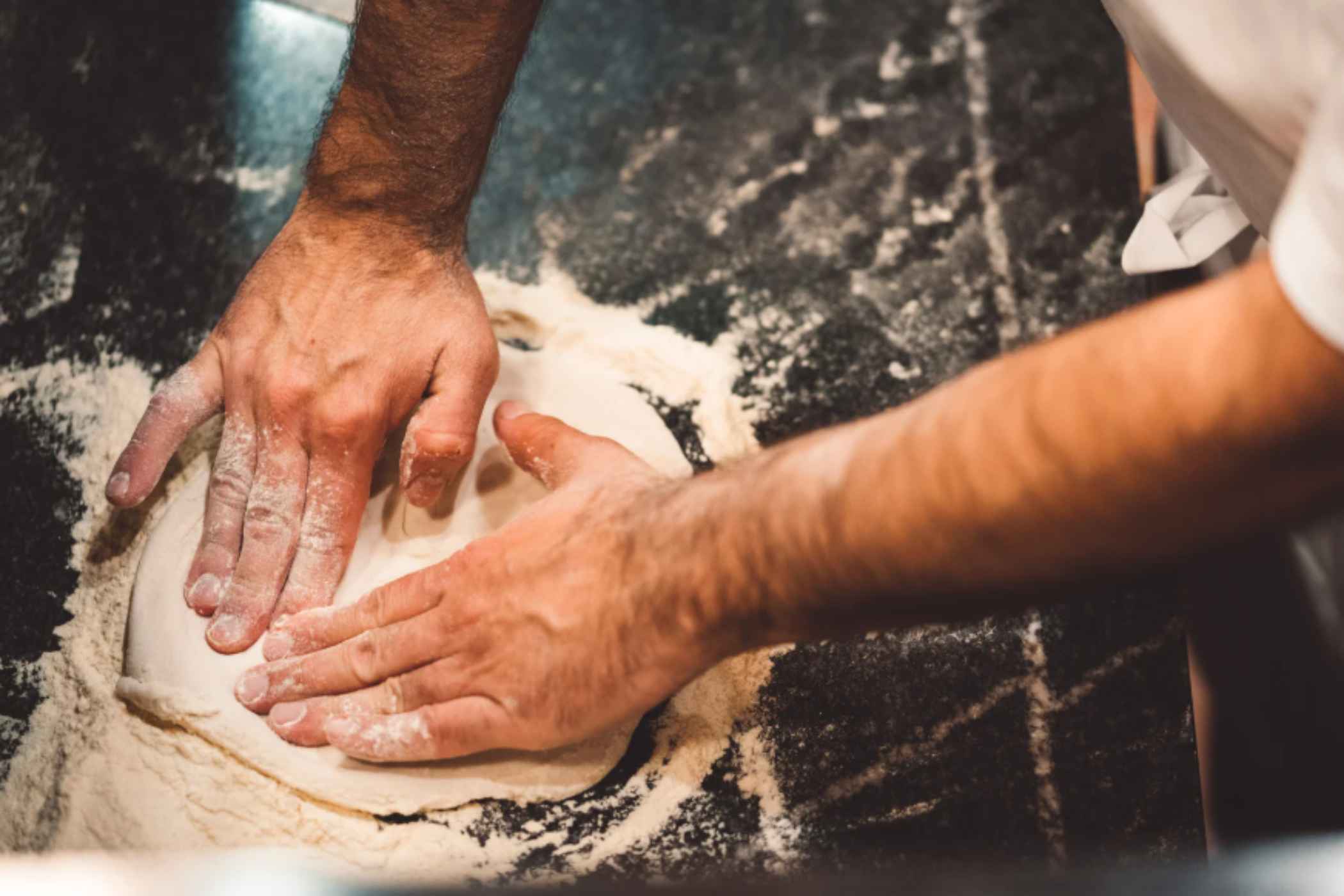
The lessons are led by expert chefs who carefully explain each step, from recognizing quality ingredients to the correct use of traditional cooking techniques. If you’re specifically interested in Neapolitan pizza, a workshop will teach you the deep secrets to making perfect dough, including choosing the right flour, hydration, and natural leavening. You will learn to make Neapolitan pizza by rolling out the dough by hand and baking it in a classic wood-fired oven, following traditional methods. At the very end, you can savor your creation, perhaps accompanied by a glass of fine wine or a traditional drink.
Getting There
By train
To reach the heart of the culinary action by rail, you can take a high-speed Frecciarossa or Italo train directly to Napoli Centrale railway station, which is seamlessly connected to major cities like Rome, Florence, and Milan. From the central station, you can easily hop onto the local Metropolitana Linea 1 or Linea 2 to reach cooking schools scattered throughout the historic center or the Vomero district.
By car
If you choose to drive to Naples from the north or south, take the A1 highway (Autostrada del Sole) and take the Napoli Centro exit. However, driving into the city center is highly discouraged due to strict ZTL (Limited Traffic Zones), narrow historical alleys, and heavily restricted street parking. It is best to follow signs directly to one of the large, secure parking garages located just outside the historical core, such as those near the harbor or the central station, and continue on foot or by taxi.
By bus
For regional public transit travelers who prefer this option, extensive intercity bus networks run frequent daily schedules from surrounding Campanian towns and airports, dropping passengers off at the main Metropark bus terminal right next to the Napoli Centrale train station.
Useful Contacts
- Associazione Verace Pizza Napoletana (AVPN – True Neapolitan Pizza Association):
- Phone: +39 081 2251254
- Email: [email protected]
- Website: pizzanapoletana.org
- Ufficio Truismo Comune di Napoli (Naples Municipal Tourism Desk):
- Phone: +39 081 7951111
- Email: [email protected]
- Campania Turismo (Regional Tourism Promotion Board):
- Website: campaniaturismo.it
What to Bring & Pro Tips
- Because learning to make Neapolitan pizza involves rolling out the dough by hand and baking it in a wood-fired oven, it is highly recommended to wear lightweight, breathable clothing that you don’t mind getting a little dusted with flour.
- Since these classes are incredibly popular and keep group sizes small for personalized instruction, you should definitely book your workshop slot online weeks before your trip.
- Wear comfortable, flat, closed-toe shoes to stay safe and steady while standing on hard kitchen floors near the high-heat ovens.
- Bring a smartphone or camera to document the chef’s specific dough-stretching hand techniques, but remember to wash your hands thoroughly before diving back into the flour.
- Lastly, come with a very healthy appetite; at the end, you can savor your creation accompanied by a glass of fine wine, meaning you won’t need any dinner plans afterwards.
The “Hidden Gem”
Once you have finished baking your custom pie and tasting the sweet rum syrups of the freshly made babà, take a short stroll to discover the fascinating Underground Ruins of San Lorenzo Maggiore (La Neapolis Sotterrata).
Instead of staying on the bustling modern streets of Via Tribunali, step inside the monumental complex of San Lorenzo Maggiore and descend ten meters beneath the church floor to find an incredibly preserved ancient Roman market. Walk down a perfectly intact, stone-paved Roman street (cardo) and peer into the ancient storefronts, including a bakery, a treasury, and laundry shops that operated over two thousand years ago. The layered walls beautifully showcase how medieval and modern Naples were built directly on top of the original Greco-Roman foundations. Exploring these quiet, cool, subterranean stone corridors offers a wonderfully profound historical break from the lively kitchen counters above, rewarding travelers with a firsthand look at the deep, ancient roots of the city.
