

What You Need to Know: Useful Information
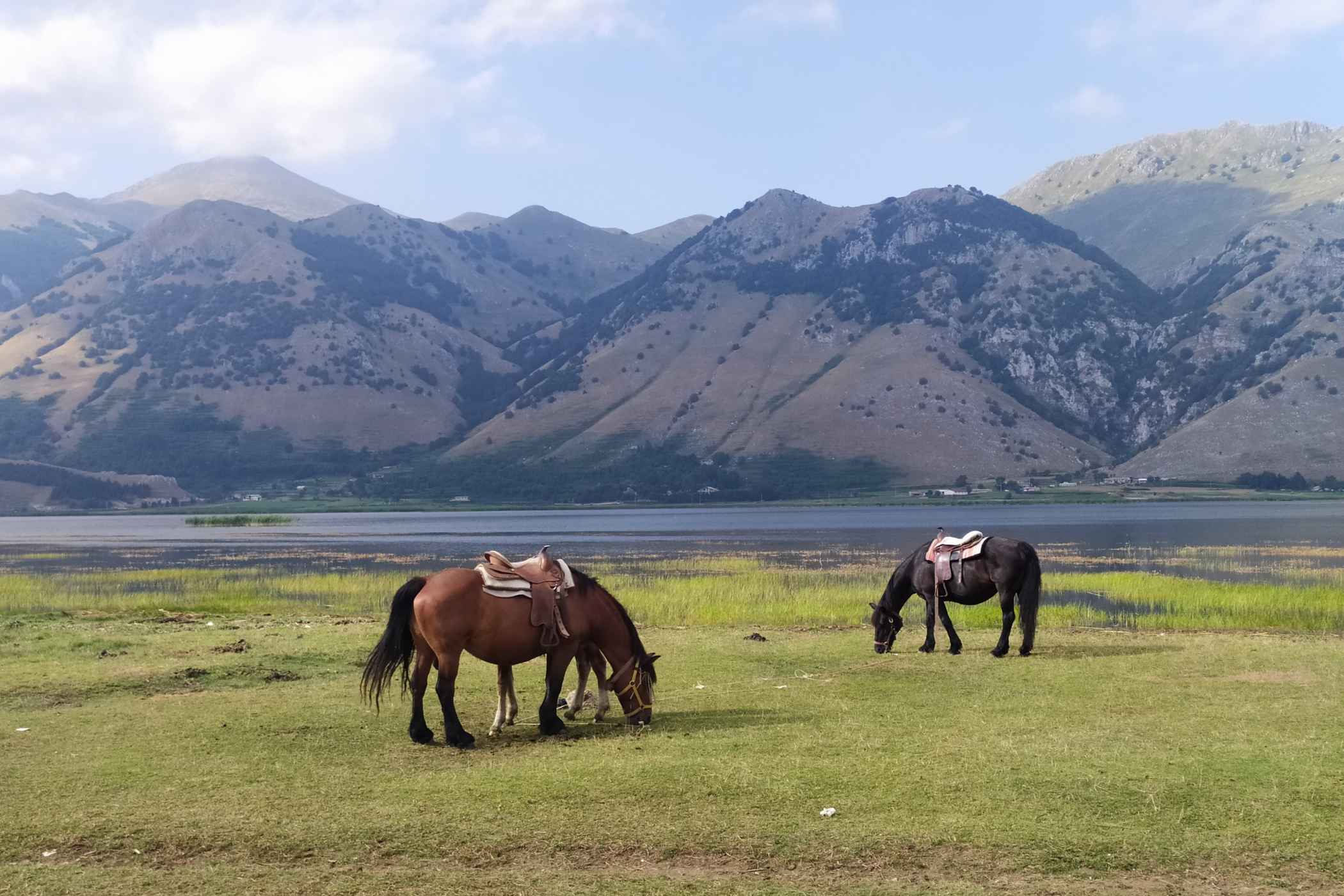
Lake Matese is a beautiful karst lake in the Campania Apennines, situated at the base of Mount Miletto (2,050 meters) and Mount La Gallinola (1,923 meters). Located in Caserta province, between San Gregorio Matese and Castello del Matese, this lake sits at about 1,014 meters above sea level, making it the highest karst lake in Italy. This lake is nestled in the heart of the Matese Regional Park, an area rich in unspoiled nature and biodiversity. Once you arrive, Lake Matese offers a variety of activities for visitors. A canoe trip on calm lake waters offers a unique and relaxing way to appreciate nature. The lake is also perfect for those who love horseback riding: you can take a horseback ride around the lake following well-marked trails, enjoying an immersive experience in nature. Of course, these activities are organized and supervised by experts within the limits of personal safety. To round off the day, you can enjoy a nice picnic by the lake, always respecting the environment and taking your trash with you.
Getting There
By train
To reach the gateway of the mountain range by rail, you can take a regional train from Naples or Caserta to the Piedimonte Matese railway station. Because Lake Matese is situated high up on an alpine plateau, you will need to continue the final leg of your journey from the station terminal using local mountain buses or a rented vehicle.
By car
To reach Lake Matese, you can depart from Naples or Caserta, taking the A1 motorway to the Caianello or Piedimonte Matese exit. From here, continue along the provincial roads that pass through small mountain villages until you reach the lake. By car, the route is very scenic and allows you to enjoy the surrounding mountain landscapes.
By bus
Those who prefer public transport can take local buses from Caserta or Piedimonte Matese. These regional buses wind up through the steep mountain roads, connecting the valley towns to the high-altitude park communities.
Below you’ll find the location marked on Google Maps. Click on it to open the location directly on your device’s maps.
Useful Contacts
- Ente Parco Regionale del Matese (Matese Regional Park Headquarters):
- Website: parcoregionaledelmatese.it
- Ufficio Turistico Piedimonte Matese (Piedimonte Matese Visitor Information Desk):
- Phone: +39 0823 913911
- EAV Srl (Regional Train & Bus Transit Operations for Piedimonte Matese):
- Website: eavsrl.it
What to Bring & Pro Tips
- Because Lake Matese sits at an elevation of about 1,014 meters above sea level, making it the highest karst lake in Italy, temperatures can be significantly cooler than down on the plains, so packing an adaptable jacket or warm layers is highly recommended.
- Since the lake offers fantastic outdoor options like horseback riding along well-marked trails and canoe trips on the calm waters, make sure to wear sturdy, closed-toe athletic shoes or hiking boots to stay comfortable.
- Bring a high-quality camera or smartphone to photograph the dramatic backdrop of Mount Miletto and Mount La Gallinola.
- If you plan to take advantage of the perfect lakeside lawns for a picnic, remember to bring a large blanket, reusable containers, and a dedicated waste bag so you can easily take your trash with you and leave the unspoiled environment pristine.
The “Hidden Gem”
Just a short distance from the serene shores of the lake, the historic village of Castello del Matese offers a captivating glimpse into the region’s medieval heritage. Visitors can explore the evocative ruins of its 11th-century Norman castle, built from local stone, and wander through narrow alleys that preserve an authentic ancient layout. The village center is home to beautiful historic landmarks, such as the Baroque-style Parish Church of Santa Croce and towering Norman defense structures. For a deeper spiritual and historic detour, the nearby 13th-century ruins of the Cistercian monastery in Valle Orsara reveal the fascinating religious roots of these mountains. It is the perfect cultural stop to enrich a day of canoeing and lakeside exploration with a touch of timeless noble history.
