

What You Need to Know: Useful Information
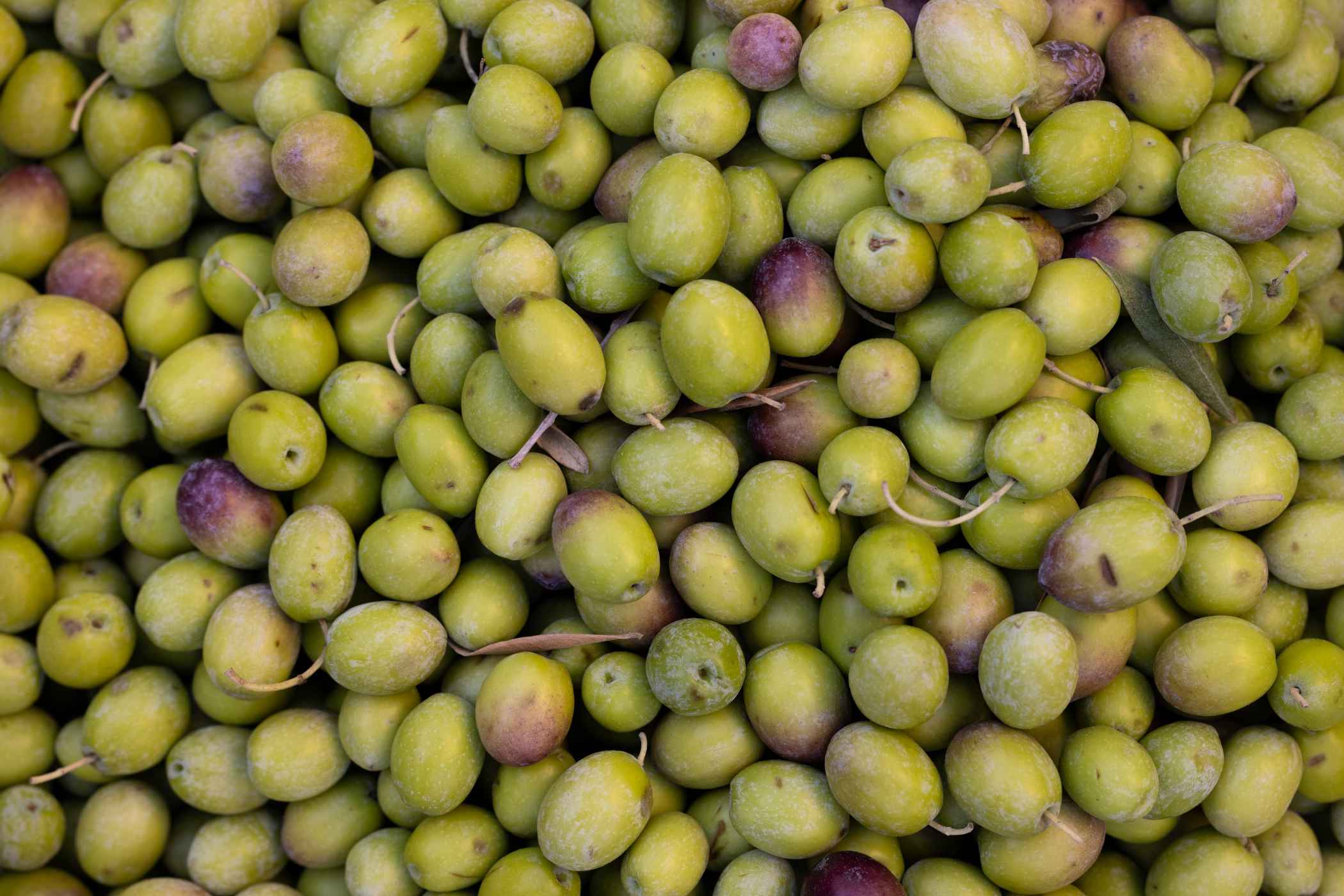
Campania olives are a traditional agricultural product of the Campania region, known for its abundant olive groves stretching across the local hills and scenic coastal areas. These olives are primarily harvested in Campania from October to December, during their natural ripening phase when they change in color from green to purple and then finally to black. The exact timing varies across the different provincial areas of the region: in Irpinia, harvesting can begin as early as the second ten days of October, while in the Benevento area it takes place between the first and second weeks of the same month. In Cilento and Salerno, harvesting is also generally concentrated in the second half of October.
To maintain the absolute freshness and premium quality of the oil, the harvesting must be completely finished by the end of the year, and the gathered olives should be pressed within just a few days of being picked. A very interesting and rewarding aspect for visitors is the unique opportunity to participate directly in the olive harvest, witnessing the various stages of processing inside the mill firsthand. This immersive experience allows you to discover all the hidden secrets of oil production, guiding you from the initial harvesting steps to the final pressing and bottling stages.
Getting There
By train
To get close to the prominent agricultural hill zones by rail, you can take a regional Trenitalia train to central hubs like the Benevento railway station, the Avellino railway station, or the Salerno railway station. Because the traditional olive groves are located out in the rural countryside, you will need to continue your journey from these rail terminals via local provincial buses or a rented vehicle to reach specific estates.
By car
Driving is one of the most efficient options to navigate the rolling hills of the olive estates at your own pace. From Naples, you can take the A16 highway (Napoli-Canosa) eastward and exit at Avellino or Benevento to reach the inland groves, or take the A3 highway southbound toward Salerno and exit at Battipaglia to easily access the coastal and hillside groves of Cilento.
By bus
For regional public transit travelers, local suburban buses operated by regional networks run daily routes departing from the central transit hubs in Naples, Salerno, and Avellino. These buses wind through the agricultural landscape, dropping passengers off in the central squares of small hill communities throughout Irpinia and Benevento.
Useful Contacts
- Associazione Nazionale Città dell’Olio (National Network of Olive Oil Towns – Campania Division):
- Website: cittadellolio.it
- Ufficio Turistico Provincia di Benevento (Benevento Local Tourism Desk):
- Website: idatabenevento.it
- Parco Nazionale del Cilento, Vallo di Diano e Alburni (Cilento National Park Office):
- Website: cilentoediano.it
What to Bring & Pro Tips
- Because a visit to an estate gives you the chance to participate directly in the olive harvest and watch the processing stages in the mill, it is highly recommended to wear rugged, outdoor clothing layers that you don’t mind getting dusty or stained by plant oils.
- Wear sturdy, closed-toe hiking shoes or work boots with good traction, as walking over uneven, sloped hillside terrain through the groves requires stable footing.
- Bring a camera or a smartphone to capture the traditional harvesting nets spread beneath the trees and the mechanical pressing machinery inside the mill.
- Many mills offer guided tastings that allow you to savor the freshly produced oil directly after pressing, so you may want to avoid eating strong, spicy foods right before your visit to best appreciate its unique characteristics and intense aroma.
- Lastly, if you plan to purchase a few bottles or tin cans of fresh oil to take home, ensure you leave plenty of space in your checked luggage, as liquid quantities of this size are strictly prohibited in airport security carry-ons.
The “Hidden Gem”
Once you have finished helping with the harvest nets and tasting the vibrant, peppery notes of the freshly pressed oil, take a short drive through the Salerno hills to explore the ancient ghost town of Roscigno Vecchia. Instead of staying entirely within the active, modern farming estates, head deep into the Cilento hills to find this spectacular, abandoned 19th-century village, often called the “Pompeii of the 20th century“. Left completely deserted due to progressive landslides, the village stands frozen in time with its empty stone houses, old blacksmith workshops, and a beautiful central piazza wrapped around a monumental stone fountain and ancient elm trees. Walking through these silent, moss-covered stone alleys – where nature is slowly reclaiming the old peasant architecture—offers a wonderfully moving and atmospheric historical break from the lively mill tours. It rewards travelers with an intimate, haunting look at the old, rustic rural life that once defined the heart of the Campania countryside.
