

What You Need to Know: Useful Information
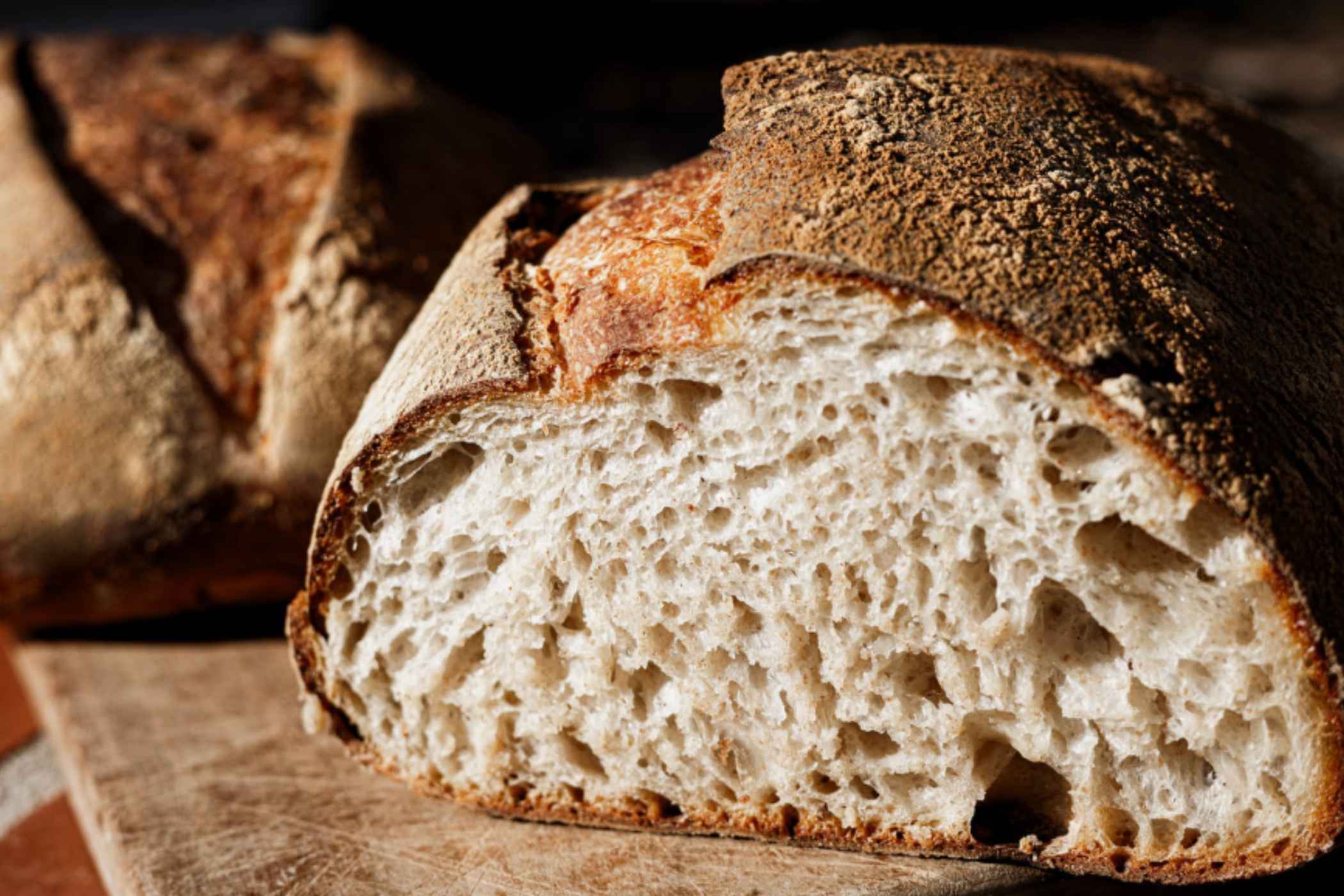
Matera bread is one of the most authentic symbols of Lucanian culinary tradition, renowned for its high quality, unique flavor, and ancient history. Made with locally grown durum wheat semolina, this bread is distinguished by its crispy crust and soft, honeycombed, slightly sour crumb. Its uniqueness also comes from the artisanal production method and long natural leavening, which makes the bread significantly more digestible than other types of bread.
The history of Matera bread has its roots in the region’s rural past. For centuries, bread was a staple food for local communities, made using techniques passed down from generation to generation. The traditional bread-making process took place in wood-fired ovens, often shared by entire neighborhoods, thus creating a strong sense of community. Today, Matera bread is protected as a Product of Protected Geographical Indication (PGI), a recognition that guarantees its authenticity and quality.
A fascinating aspect of the Matera bread tradition is the so-called “bread stamp”. The stamp is a wooden tool engraved with ornamental or symbolic motifs, used to imprint a design on the loaf before baking. This practice was not only decorative but also had an identifying function: it allowed families to recognize their bread in the communal oven. Today, the stamp is a cultural symbol that is being rediscovered in educational workshops. In Matera, numerous workshops are organized to teach how to make bread according to tradition.
Getting There
By train
To reach the historic city by rail, you can take a Ferrovie Appulo Lucane (FAL) regional train directly to the Matera Centrale station. These local lines connect smoothly from the main Trenitalia hub at Bari Centrale station. Once you arrive, the central station puts you within easy walking distance of the historic bakeries scattered around the edge of the Sassi.
By car
If you choose to drive from the north or West, take the A14 Bologna-Taranto highway, exit at Bari Nord, and follow the SS96 state road directly toward Altamura and Matera. If you are approaching from the south, take the SS106 Jonica state road and exit at Metaponto, following the SS7 (Via Appia) directly up into the hills. Driving inside the historic Sassi districts is strictly prohibited due to strict ZTL rules, so it is best to leave your vehicle in a secure multi-story parking garage on the edge of the modern city center.
By bus
For regional public transit travelers, private and regional bus lines like Miccolis and MarinoBus operate frequent daily intercity routes connecting major cities directly to the main bus terminal at Piazza Matteotti or Matera Centrale station. Additionally, dedicated shuttle services connect Matera directly to the nearby Bari Karol Wojtyła International Airport.
Below you’ll find the location marked on Google Maps. Click on it to open the location directly on your device’s maps.
Useful Contacts
- Consorzio di Tutela del Pane di Matera IGP (Official Bread Protection Consortium):
- Website: consorziopanedimatera.com
- Matera Welcome – Comune di Matera (Official Municipal Tourism Portal):
- Website: materawelcome.it
- APT Basilicata – Agenzia di Promozione Territoriale (Regional Tourism Board):
- Website: basilicataturistica.it
What to Bring & Pro Tips
- Secure your workshop slot online weeks before your trip, as these hands-on baking courses keep group sizes small to give everyone space around the wooden kneading tables.
- Wear comfortable, lightweight clothing that you don’t mind getting heavily dusted with durum wheat semolina flour.
- Leave any rings, watches, or bracelets at your accommodation, as you will need completely bare hands to properly work, fold, and stretch the natural leavened dough.
- Bring a smartphone or a camera to capture the baker’s specific hand-shaping techniques and the beautiful wooden engraving motifs on the traditional bread stamps.
- Wear flat, supportive shoes with good traction, as historical wood-fired bakeries often feature stone floors that can become slippery when dusted with fine flour.
- Coordinate with the bakery staff regarding pickup times, as the long natural leavening and baking process means you will typically return a few hours later or the following morning to collect your fresh, warm loaf.
The “Hidden Gem”
Once you have finished stamping your custom loaf and learning the secrets of natural leavening, take a short drive across the canyon to explore the Murgia Materana Park (Parco della Murgia Materana).
Instead of staying entirely within the busy urban center of the Sassi, travel just across the deep Gravina river gorge to explore the wild, rocky plateau directly opposite the city. This protected nature reserve features an incredible network of ancient paths winding through wild thyme bushes and leading to dozens of prehistoric, abandoned rock churches carved into the limestone cliffs. Standing on the edge of these dramatic cliffs at the Belvedere di Murgia Timone offers an unparalleled, breathtaking view of the entire stone city layout, rewarding travelers with a profound look at the raw, prehistoric landscape that shaped Matera’s oldest cave-dwelling communities.
