

What You Need to Know: Useful Information
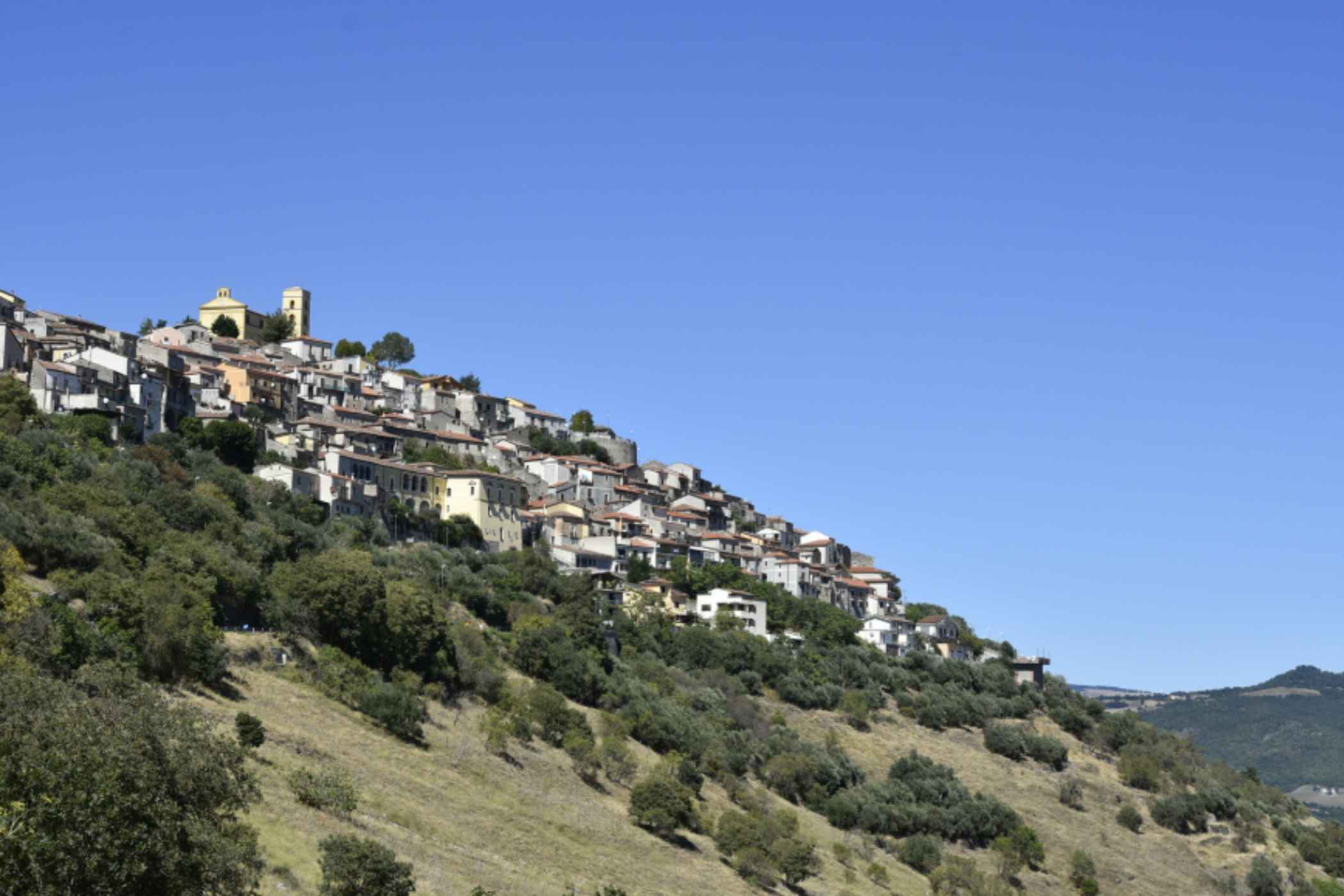
The Grumentum Archaeological Park is located in Grumento Nova, in the province of Potenza. This important archaeological site in ancient Lucania was founded by the Romans in the early 3rd century BC and destroyed in the 9th century AD. Today, it preserves the remains of an ancient Roman city, offering visitors a journey into the past through its well-preserved ruins.
In the park, you can admire several monumental complexes that stretch along the ancient decumanus (the main road), including a Roman theater, an amphitheater, public baths, and several dwellings. The theater is particularly fascinating for its structure and its view of the surrounding landscape, while the amphitheater, only partially visible from the outside, is another great point of interest. In addition, the park is surrounded by a very picturesque natural setting, which makes the visit enjoyable from a scenic point of view. Grumentum is not among the best-known archaeological sites nationally or internationally, but it is highly appreciated by tourists seeking authentic and less crowded cultural experiences.
Getting There
By train
To reach the general area of the Agri Valley by rail, you can take a regional Trenitalia train to the Potenza Centrale railway station. Because Grumentum is located in a rural valley deep within the province, you will need to continue your journey from the Potenza station using a rental car or regional bus transport to reach the park gates.
By car
By car, the site is easily accessible thanks to well-signposted roads and nearby parking. From Potenza, you can take the SS598 (Fondo Valle dell’Agri) highway southbound, taking the exit for Grumento Nova and following the clear local road signs directly toward the archaeological site.
By bus
For those who prefer public transport, there are regional connections from Potenza and other nearby towns, but it is advisable to check timetables in advance. These regional buses stop in the town center, leaving the park accessible on foot from the center of Grumento Nova in about 15-20 minutes.
Below you’ll find the location marked on Google Maps. Click on it to open the location directly on your device’s maps.
Useful Contacts
- Parco Archeologico di Grumentum e Museo Nazionale dell’Alta Val d’Agri (Official Site Desk):
- Website: musei.basilicata.beniculturali.it
- Comune di Grumento Nova (Municipal Culture Office):
- Website: comune.grumentonova.pz.it
- APT Basilicata – Agenzia di Promozione Territoriale (Regional Tourism Board):
- Website: basilicataturistica.it
What to Bring & Pro Tips
- Plan for a visit to the park that generally takes about 2-3 hours to enjoy at a leisurely pace.
- Lace up a pair of comfortable, flat walking shoes or athletic sneakers, as you will be exploring ruins on foot across mixed grassy, dirt, and ancient stone paths.
- Bring a smartphone or a camera to capture the impressive structure of the Roman theater and its expansive view of the surrounding landscape.
- Pack a refillable water bottle and sun protection, as the wide-open monumental complex stretches out along the historic decumanus with minimal shade.
- Keep in mind that for a complete and enriching visit, we recommend combining your visit with the National Archaeological Museum of the Upper Agri Valley, where finds from the excavations are preserved.
- Double-check the museum and park operating hours online before traveling, as seasonal entry schedules for smaller regional heritage sites can fluctuate.
The “Hidden Gem”
Once you have finished walking down the ancient Roman decumanus and exploring the historic baths, take a short drive north to discover the beautiful Pertusillo Lake (Lago del Pertusillo).
Instead of immediately leaving the Agri Valley, head just a few kilometers away to find this massive, stunning artificial reservoir nestled quietly between the rolling green hills and thick forests of the Appennino Lucano National Park. The lake features quiet, shaded shoreline paths that are perfect for birdwatching, relaxing walks, and taking in sweeping panoramic views of the bright blue waters against the mountain backdrop. Visiting this peaceful nature sanctuary offers a wonderfully refreshing, breezy scenic break from the open stone ruins, rewarding travelers with a firsthand look at the pristine natural landscapes that surround this ancient heart of Basilicata.
