

What You Need to Know: Useful Information
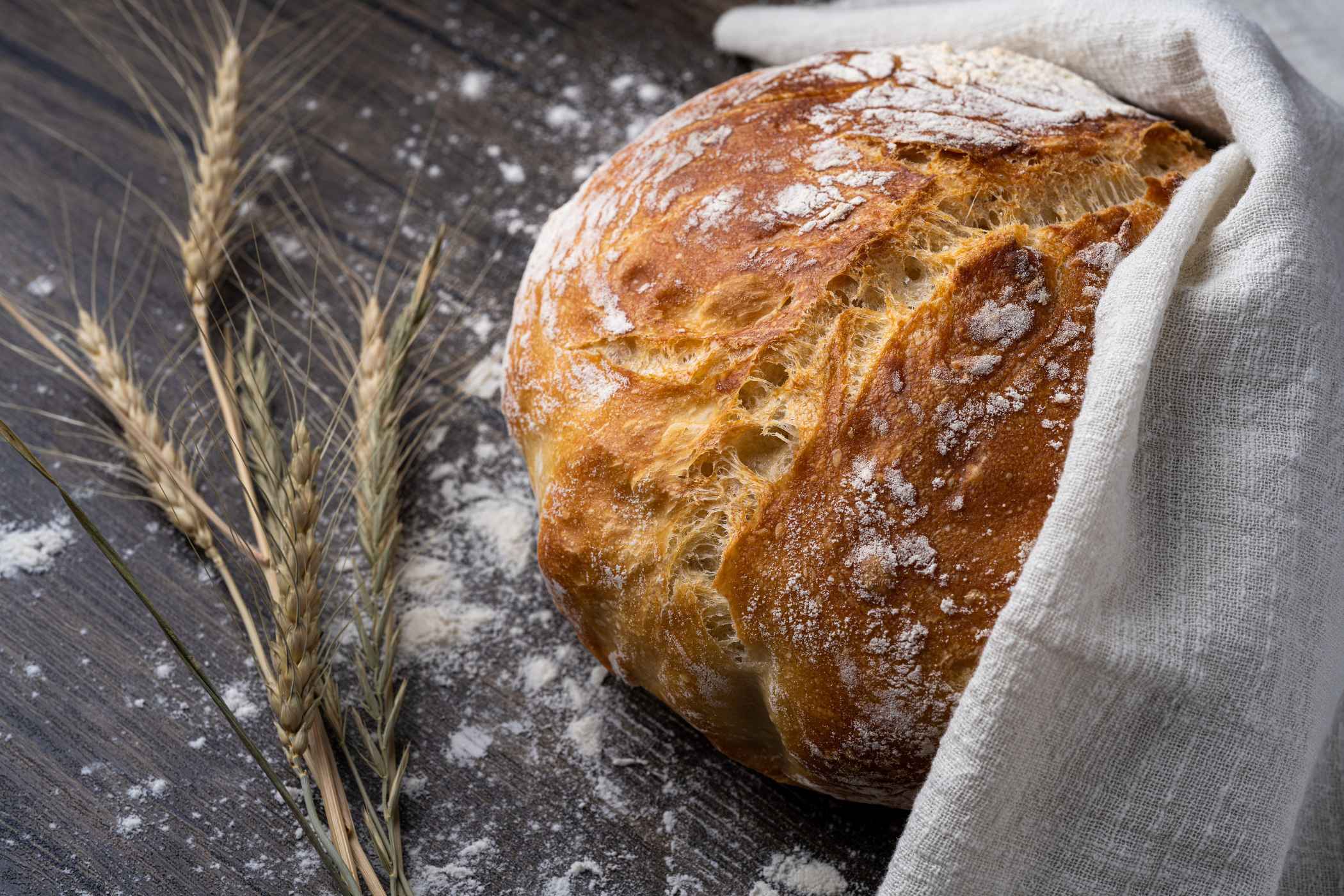
Apulian bread is a true gem of Italian culinary tradition, known for its crispy crust, soft crumb, and unique flavor, which is the direct result of ancient baking techniques and the use of high-quality local ingredients. In Apulia, making bread is not just a simple activity: it is a sacred ritual that has been handed down for generations, deeply rooted in the local territory and culture.
For those who want to immerse themselves completely in this culinary tradition, there are dedicated workshops focused entirely on the production of authentic Apulian bread. These hands-on courses allow you to learn step by step how to prepare the dough using traditional methods, utilizing typical regional flours such as durum wheat semolina, water, sourdough starter, and salt. A fundamental part of the experience is natural leavening, which gives the bread its typical lightness and fragrance. However, the most authentic part of the entire experience is baking in traditional wood-fired ovens, which are often public or historic ovens that represent a cultural heritage still very much alive in Apulian communities today. Here you can see up close how the shaped loaves are carefully placed into the hot oven, baking slowly until they become perfectly golden on the outside and wonderfully soft on the inside.
Getting There
By train
To reach the historic baking hubs of the region by rail, you can take a high-speed Frecciarossa or regional Trenitalia train directly to the Bari Centrale railway station or the Foggia railway station. From these major junctions, local regional lines connect smoothly to traditional inland wheat-producing towns, dropping you off within walking distance of historic city centers and heritage bakeries.
By car
Driving is an exceptionally practical option for visiting rural masserie (fortified farmhouses) and historical stone ovens scattered throughout the countryside. From the north, follow the A14 Bologna-Taranto highway down the Adriatic coast, taking the exit for Foggia, Barletta, or Bari depending on your specific workshop destination, and follow the local state roads (such as the SS96 or SS16) directly into the heart of the baking districts.
By bus
For regional public transit travelers, extensive intercity bus networks run daily routes connecting major coastal ports to inland agricultural communities. These buses regularly drop passengers off at central municipal squares, making the historical neighborhood ovens easily accessible.
Useful Contacts
- Consorzio di Tutela del Pane di Altamura DOP (PDO Altamura Bread Consortium):
- Website: panealtamuradop.it
- Viaggiare in Puglia (Official Puglia Regional Tourism Board):
- Website: viaggiareinpuglia.it
- Associazione Panificatori di Puglia (Apulian Bakers Association Network):
- Website: panificatoripugliesi.it
What to Bring & Pro Tips
- Secure your workshop booking well in advance of your travels, as historic communal kitchens and master baker classes limit attendee numbers to ensure proper oversight.
- Dress in comfortable, casual clothing that you do not mind getting covered in fine layers of white durum wheat semolina flour.
- Remove all rings, bracelets, and wristwatches before the session starts, as you will need completely bare hands to work the raw dough using traditional techniques.
- Bring a smartphone or a camera to document the exact folding patterns of the dough and the traditional wood-firing process.
- Wear supportive, flat footwear with slip-resistant soles, as the stone floors around historic public ovens can get slick when dusted with flour or soot.
- Plan your day around the natural leavening and slow baking times, allowing you to return to the hearth to collect a warm loaf to impress your guests at home.
The “Hidden Gem”
Once you have finished kneading your dough and watching the loaves rise inside the historic wood-fired ovens, take a scenic drive out to the countryside to explore the Ipogei di Ciafles (Ciafles Hypogea) near Margherita di Savoia.
Instead of staying entirely focused on the bustling city bakeries and standard coastal routes, venture toward the edge of the ancient salt plains to find these spectacular, hidden underground rock complexes. Carved out of the soft tufa stone thousands of years ago, these vast subterranean chambers were originally used as prehistoric burial grounds, later adapted by medieval farming communities as sheltered dwellings, livestock stalls, and deep storage cellars for grain. Walking down into these cool, shadow-filled rock halls offers a wonderfully evocative, quiet historical break from the warm baking hearths, rewarding travelers with an unforgettable look at the raw, subterranean engineering of Apulia’s earliest inhabitants.
