

What You Need to Know: Useful Information
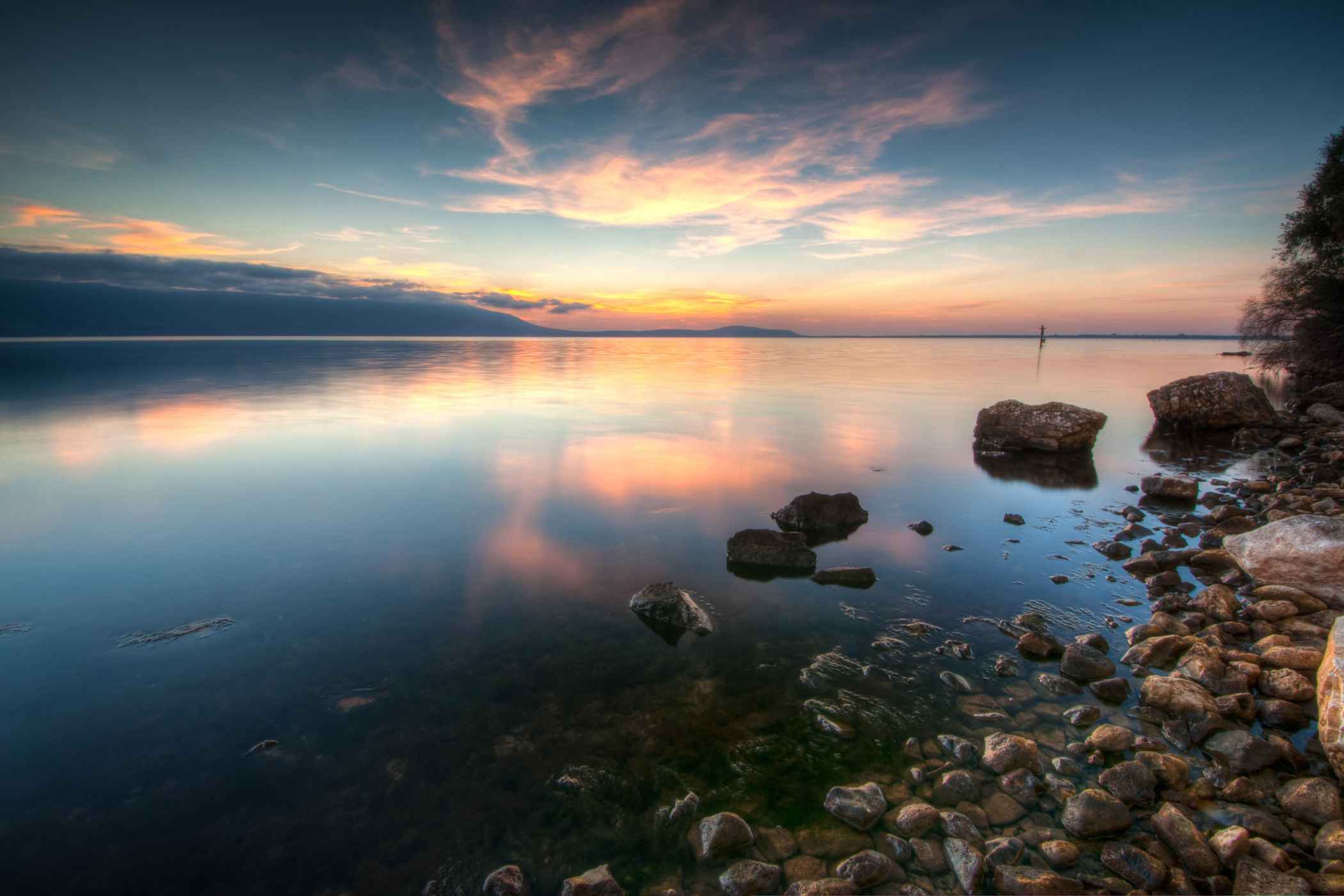
Lake Varano is located in the province of Foggia, in the northern part of the Gargano promontory. This brackish lake, which has a lower salinity than the nearby Adriatic Sea, is actually a coastal lagoon fed by the sea, characterized by brackish waters and a remarkable wealth of flora and fauna. One of the unique features of Lake Varano is its location: it stretches between the municipalities of Cagnano Varano, Carpino, and Ischitella, offering a very picturesque natural environment where the sea and mountains meet.
The lake is surrounded by typical Mediterranean scrubland and wetlands that are home to numerous species of migratory birds, making it an ideal place for nature lovers and birdwatchers. Lake Varano is not only a natural attraction, but also a destination known for its history and local legends, such as that of the submerged city of Uria. There are several points of interest to visit in the surrounding area, such as the Grotta di San Michele and the Santuario del Santissimo Crocefisso di Varano. This combination makes Lake Varano the perfect place for a relaxing getaway from the hustle and bustle of the city.
Getting There
By train
To reach the northern Gargano region by rail, you can take a Trenitalia train to the main Foggia railway station. From Foggia, you can switch to the local Ferrovie del Gargano regional rail network, which runs direct scenic train lines wrapped along the coastline and stops at small stations close to the lagoon communities.
By car
Lake Varano is easily accessible by car from Foggia, following the provincial road towards the Gargano. From the highway, you can take the A14 Bologna-Taranto, exit at Poggio Imperiale, and follow the SS693 Garganica fast road directly toward the Cagnano Varano and Ischitella exits to reach the lake shores.
By bus
Public transportation also connects the area with the main cities of Puglia. Regional intercity buses operated by Ferrovie del Gargano run regular daily routes departing from Foggia and nearby coastal hubs, stopping in the town squares of Cagnano Varano, Carpino, and Ischitella.
Below you’ll find the location marked on Google Maps. Click on it to open the location directly on your device’s maps.
Useful Contacts
- Ente Parco Nazionale del Gargano (Gargano National Park Authority):
- Website: parcogargano.it
- Ferrovie del Gargano (Local Train & Bus Transit Network):
- Website: ferroviedelgargano.com
- Consorzio Gargano Mare (Regional Tourism Promotion Desk):
- Website: garganomare.it
What to Bring & Pro Tips
- Pack a high-quality pair of binoculars and a camera to view and photograph the numerous species of migratory birds that shelter in the surrounding wetlands.
- Bring a windbreaker jacket and a wide-brimmed sun hat, as open boat trips on the tranquil lagoon waters expose you to direct sunlight and breezy coastal winds.
- Put a refillable water bottle and high-SPF sunscreen in your daypack, as the reflection of the sun off the brackish water increases sun exposure.
- Wear comfortable, flat rubber-soled shoes or boat shoes to maintain a safe, steady footing when boarding and stepping off the lagoon watercraft.
- Keep in mind that a boat trip on the lake is one of the most popular experiences, allowing you to explore the tranquil waters and admire the surrounding landscapes up close.
- Plan extra time in your itinerary to drive or walk to nearby cultural points of interest, such as the Grotta di San Michele and the Santuario del Santissimo Crocefisso di Varano.
The “Hidden Gem”
Once you have finished your boat trip across the tranquil lagoon waters and listened to the legend of the submerged city of Uria, take a short drive to explore the ancient Forest of Ischitella (Faggeta di Ischitella).
Instead of staying entirely down along the wetlands and sunny shores, head up into the nearby hills of Ischitella to find a spectacular, rare low-altitude beech forest. While beech trees normally grow high up in mountain ranges, the unique humid microclimate of the Gargano promontory allows these giant, ancient trees to thrive just a few hundred meters above sea level. Walking down the cool, shaded paths of this deep forest – where sunlight barely filters through the massive canopy – offers a wonderfully refreshing and magical natural contrast to the open waters below, rewarding travelers with a quiet look at a unique botanical ecosystem hidden right above the lagoon.
