

What You Need to Know: Useful Information
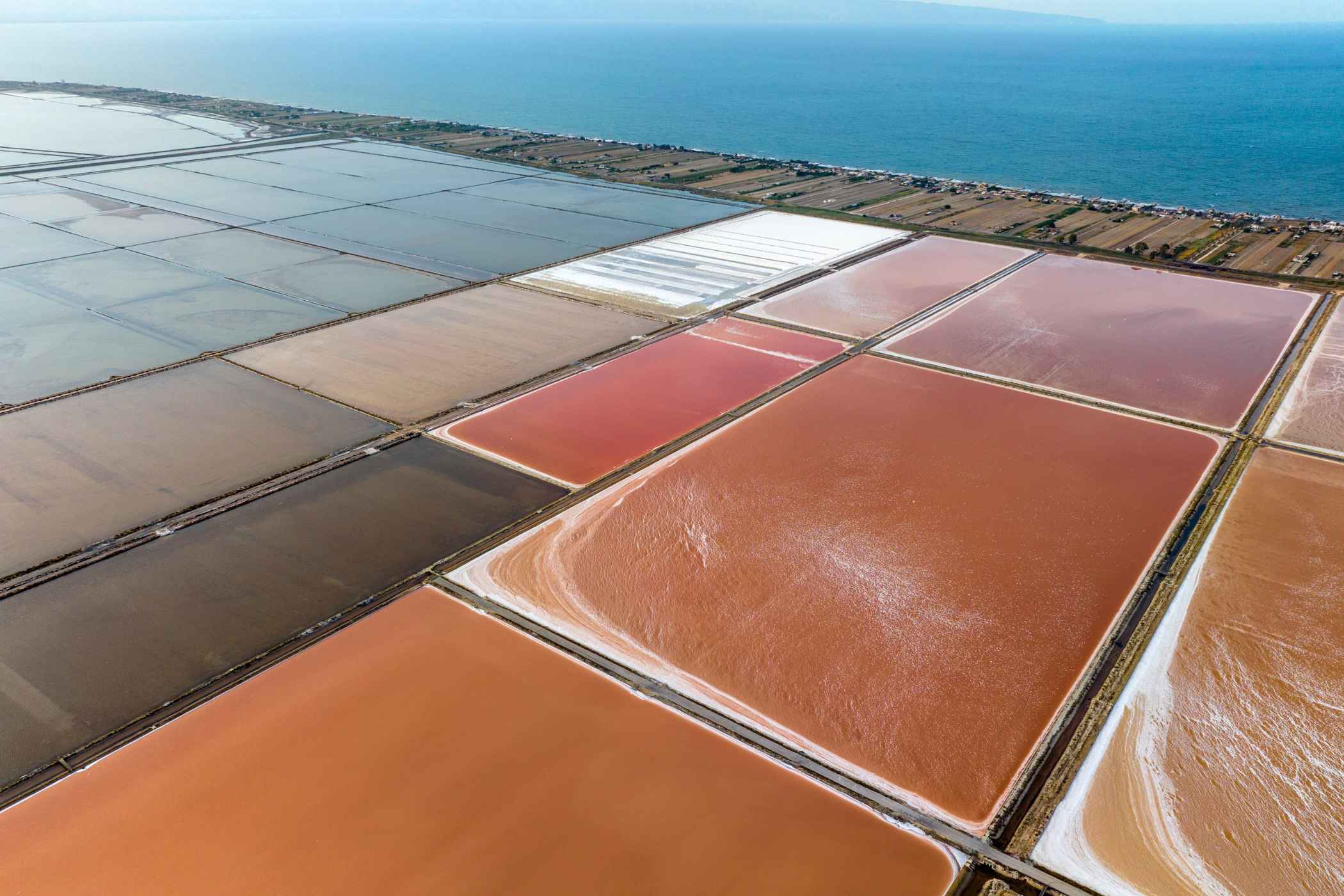
The Margherita di Savoia Saltworks, located in Puglia, is the largest saltworks in Europe and represents a true natural and historical treasure that is little known to the general public. In fact, many people are unaware that this immense expanse of salt pans is located right in the heart of southern Italy, in the province of Barletta-Andria-Trani, along the lower Tavoliere, overlooking the Adriatic Sea.
The salt marsh covers over 4,000 hectares and stretches for about 20 kilometers, with a maximum depth of about 5 kilometers inland. This unique area is characterized by a natural environment of extraordinary biodiversity: the salt pans are home to numerous species of migratory birds, including the famous pink flamingos that attract birdwatchers from all over Europe. In addition, the area is home to a protected nature reserve established in 1977, which protects local flora and fauna, making it an unmissable stop in Puglia for those who love nature and history, far from the more touristy destinations and rich in authentic charm.
Getting There
By train
To reach the saltworks district by rail, you can take a regional Trenitalia train directly to the Barletta railway station, which serves as a major transit hub on the Adriatic line. From Barletta, you can catch a local connecting train to the nearby station of Margherita di Savoia-Terme, or use regional buses to arrive right in the town center within minutes.
By car
Driving is highly convenient for exploring the vast wetlands at your own pace. From the north or south, take the A14 Bologna-Taranto highway and take the exit for Cerignola Est or Canosa, then follow the SS16 state road and provincial signs directly toward Margherita di Savoia along the coast.
By bus
For regional public transit travelers, regular intercity bus lines run daily routes connecting the main provincial hubs of Barletta, Andria, and Trani directly to the coastal municipality. These buses drop passengers off a short distance from the visitor facilities.
Below you’ll find the location marked on Google Maps. Click on it to open the location directly on your device’s maps.
Useful Contacts
- Centro Visite Salina di Margherita di Savoia (Official Saltworks Visitor Center):
- Website: salinamargheritadisavoia.it
- Riserva Naturale Statale Salina di Margherita di Savoia (State Nature Reserve Office):
- Website: carabinieri.it/in-nostro-aiuto/tutela/ambiente/riserve-naturali
- Ufficio Turismo Comune di Margherita di Savoia (Municipal Tourism Desk):
- Website: comune.margheritadisavoia.bt.it
What to Bring & Pro Tips
- Secure your booking ahead of time at the Visitor Center to take part in the organized guided tours.
- Plan for an excursion that can cover routes of varying lengths, from 10 to 20 kilometers, and last anywhere from 2 to 5 hours.
- Pack a professional pair of binoculars and a camera, as the pristine nature reserve is ideal for high-quality hiking and wildlife photography.
- Bring a smartphone or camera to capture the stunning sight of the famous pink flamingos and the traditional process of sea salt extraction.
- Put a high-SPF sunscreen, a wide-brimmed hat, and a refillable water bottle in your pack, as the vast, open salt pans offer no shade and reflect intense sunlight.
- Keep in mind that the salt extraction still takes place today using entirely natural methods, making the tour a great opportunity to discover both the productive and naturalistic aspects of the marsh.
The “Hidden Gem”
Once you have finished your guided tour through the vast salt pans and photographed the feeding flamingos, take a short drive inland to visit the Archaeological Site of Canne della Battaglia.
Instead of staying entirely focused on the coastal wetlands, head just a few kilometers away toward the Ofanto river valley to find one of the most legendary battlegrounds in ancient world history. Here, in 216 BC, the brilliant Carthaginian general Hannibal famously surrounded and completely destroyed a massive Roman army during the Second Punic War. Today, you can walk through the quiet, atmospheric hillside ruins of the later medieval village that grew on the site, explore the ancient tombs, and visit the excellent local museum that holds ancient weapons, pottery, and artifacts. Standing on the windy hilltop overlooking the peaceful river plains offers a wonderfully dramatic and profound historical break, rewarding travelers with a look at a place where the fate of the entire Mediterranean world was once decided.
