

What You Need to Know: Useful Information
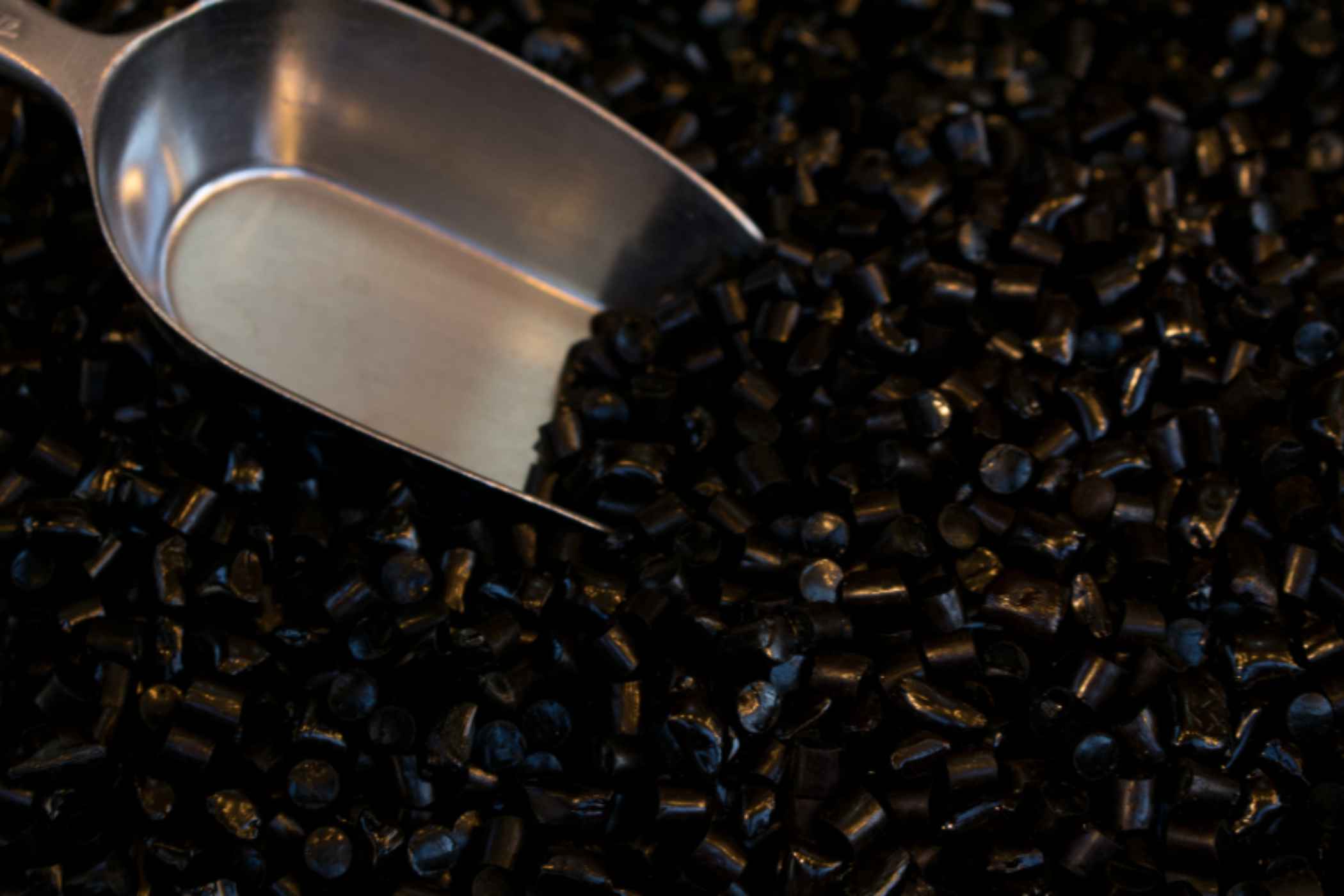
Licorice is a sweet and aromatic root that is highly prized around the world and used in both food and pharmaceutical products. Calabria has historically been one of the main areas for the production of high-quality licorice. Thanks to its favorable climate and particularly suitable soil, the licorice grown here has an intense and unique flavor that has conquered international markets.
Rossano, a hamlet in the municipality of Corigliano-Rossano in the province of Cosenza, serves as the undisputed heart of Calabrian licorice production. Here you will find the famous Giorgio Amarelli Licorice Museum, an institution entirely dedicated to the history and production of this precious product. The museum offers visitors a unique experience, allowing them to dive deep into a long-standing industrial and family heritage that has shaped the flavor profile of the region for generations.
Getting There
By train
To reach the production district by rail, you can take a regional Trenitalia train along the Jonica line directly to the Rossano railway station. The station connects smoothly to regional transit hubs like Sibari or Crotone. Once you arrive at the station, you will need to take a short local taxi ride or a municipal connecting bus to reach the museum grounds.
By car
Driving is highly convenient and straightforward for this route. The Giorgio Amarelli Licorice Museum is located along State Road 106 (Strada Statale 106 Jonica), Contrada Amarelli, making it easily accessible by vehicle. If you are driving from the north or south, simply follow the SS106 coastal route directly to the signposted Amarelli estate, where nearby parking is available for visitors.
By bus
For regional public transit travelers, various intercity bus networks run daily routes along the Ionian coast, connecting major cities like Cosenza and Catanzaro directly to the Corigliano-Rossano municipality. These buses stop at central municipal transit points, from which local shuttles run toward the Contrada Amarelli industrial site.
Below you’ll find the location marked on Google Maps. Click on it to open the location directly on your device’s maps.
Useful Contacts
- Museo della Liquirizia Giorgio Amarelli (Official Museum Desk & Tour Booking):
- Website: museo.amarelli.it
- Comune di Corigliano-Rossano – Ufficio Turismo (Municipal Tourism Office):
- Website: comunecoriglianorossano.cs.it
- Turismo Calabria (Calabria Regional Tourism Board Portal):
- Website: turismocalabria.it
What to Bring & Pro Tips
- Remember that a booking is required to take part in the guided tours, so make sure to reserve your slot online before arriving.
- Bring a smartphone or a camera to document the fascinating historical and modern machinery showcased across the exhibition halls.
- Keep an open palate for the conclusion of the guided tour, as you will get the opportunity to taste different types of authentic licorice.
- Save some space in your bags and budget to buy some unique treats to take home as a souvenir from the on-site factory shop.
- Wear comfortable, flat walking shoes, as the guided tour will take you through the historical displays and live transformation areas of the estate.
- Plan your visit to explore the full production story, which beautifully illustrates the entire process from harvesting the raw root to its final transformation into sweets and liqueurs.
The “Hidden Gem”
Once you have finished tasting different types of licorice and exploring the historic machinery at the museum, take a short drive up the hill to visit the Diocesan Museum and Codex in the historic center of Rossano.
Instead of heading straight back to the coastal highway, ascend into the ancient heart of Rossano to discover one of the most important religious and artistic treasures in the world: the Codex Purpureus Rossanensis. This extraordinary 6th-century Greek Gospel manuscript is entirely written in gold and silver ink on purple-dyed parchment and features spectacular, masterfully preserved Byzantine miniatures. Recognized globally as a UNESCO World Heritage document, it stands as one of the oldest surviving illustrated manuscripts of the New Testament. Walking through the quiet, stone-walled museum halls to stand in front of this illuminated masterpiece offers a wonderfully majestic and awe-inspiring cultural break, rewarding travelers with a firsthand look at the profound spiritual and artistic heights of Calabria’s ancient Byzantine golden age.
