

What You Need to Know: Useful Information
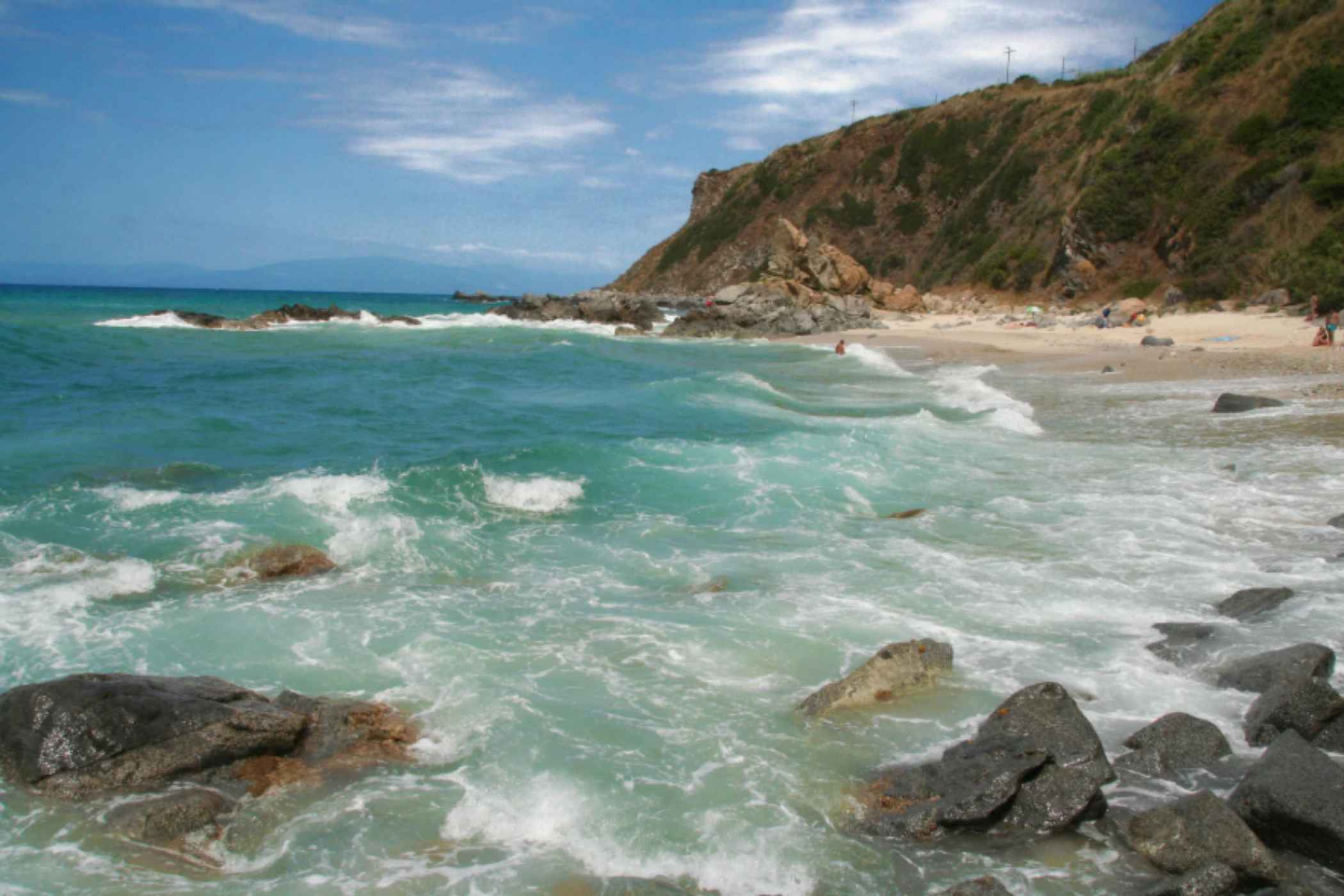
The Costa degli Dei (Coast of the Gods) is a stretch of coastline along the Tyrrhenian Sea in the province of Vibo Valentia. It extends for about 55 kilometers, from Pizzo Calabro to Nicotera, embracing renowned towns such as Tropea, Zambrone, Briatico, Parghelia, and Ricadi. This stretch of coastline is famous for its natural beauty, crystal-clear waters, and breathtaking landscapes that attract thousands of tourists every year.
Its beaches are one of the main attractions: stretches of fine golden sand alternate with hidden rocky coves, often accessible only by sea. Among the most famous are Grotticelle beach, with its turquoise waters, and Michelino beach in Parghelia. The clear sea and unspoiled nature make it ideal for snorkeling and diving, discovering seabeds rich in marine flora and fauna. In addition to the sea, the Costa degli Dei also offers charming ancient villages such as Tropea, known as the “Pearl of the Tyrrhenian Sea”, with its historic center rich in history and traditions. The Sanctuary of Santa Maria dell’Isola is a symbol of the area, located on a rocky spur overlooking the sea.
Getting There
By train
To reach this famous coastline by rail, you can take a regional Trenitalia train directly to the Tropea railway station or the Vibo Valentia-Pizzo station. Local regional lines run frequently along the coast, stopping at smaller seaside stations like Parghelia, Zambrone, and Ricadi, putting you just a short walk away from the historic centers and local ports.
By car
Driving gives you total freedom to explore the entire 55-kilometer stretch of coastline. From the north or south, take the A2 Autostrada del Mediterraneo (Salerno-Reggio Calabria) highway, exit at Pizzo Calabro or Sant’Onofrio-Vibo Valentia, and follow the scenic SS522 coastal state road directly through Briatico, Parghelia, Tropea, and Ricadi.
By bus
For regional public transit travelers, local and intercity bus networks run daily routes connecting the main city of Vibo Valentia to the various coastal municipalities. These buses drop passengers off near central town squares and main beach access points.
Below you’ll find the location marked on Google Maps. Click on it to open the location directly on your device’s maps.
Useful Contacts
- Porto di Tropea (Tropea Marina & Boat Excursion Hub):
- Website: portoditropea.it
- Comune di Tropea – Ufficio Turismo (Tropea Municipal Tourism Desk):
- Website: comune.tropea.vv.it
- Turismo Calabria (Calabria Regional Tourism Board Portal):
- Website: turismocalabria.it
What to Bring & Pro Tips
- Look into booking a boat trip ahead of time, as sailing along the coast is an alternative and evocative way to visit the Costa degli Dei.
- Pack a high-quality snorkel mask and fins to take advantage of the clear sea, which is ideal for snorkeling and discovering seabeds rich in marine flora and fauna.
- Put a swimsuit, a microfiber towel, and reef-safe sunscreen in your dry bag, as boat trips offer the opportunity to stop for a swim in crystal-clear waters.
- Wear comfortable water shoes or sandals with good grip, especially if you plan to explore the hidden rocky coves and isolated bays.
- Bring a smartphone or camera inside a waterproof pouch to capture unique views, hidden sea caves, and the iconic Sanctuary of Santa Maria dell’Isola.
- Keep in mind that some of the coast’s most beautiful stretches and isolated bays are not accessible by land, making a boat trip an unforgettable way to experience the area from a different perspective.
The “Hidden Gem”
Once you have finished swimming through the turquoise waters of Grotticelle and viewing the historic palaces of Tropea, take a short drive to visit the unique Chiesetta di Piedigrotta in Pizzo Calabro.
Instead of staying entirely focused on the open sandy beaches, head to the northern end of the coast to discover a breathtaking church carved completely inside a seaside tuff cave. Local legend says that in the 17th century, shipwrecked sailors built a modest altar here to thank the Virgin Mary for saving their lives. Around the turn of the 20th century, local artists spent generations hand-sculpting dozens of detailed stone statues out of the cave’s soft rock walls, creating mystical biblical scenes, angels, and saints that are lit purely by the natural sunlight filtering through the cavern entrance. Walking into this cool, echoing underground sanctuary right on the water’s edge offers a wonderfully atmospheric and artistic cultural break, rewarding travelers with an unforgettable look at one of Calabria’s most unique expressions of faith and creativity.
