

What You Need to Know: Useful Information
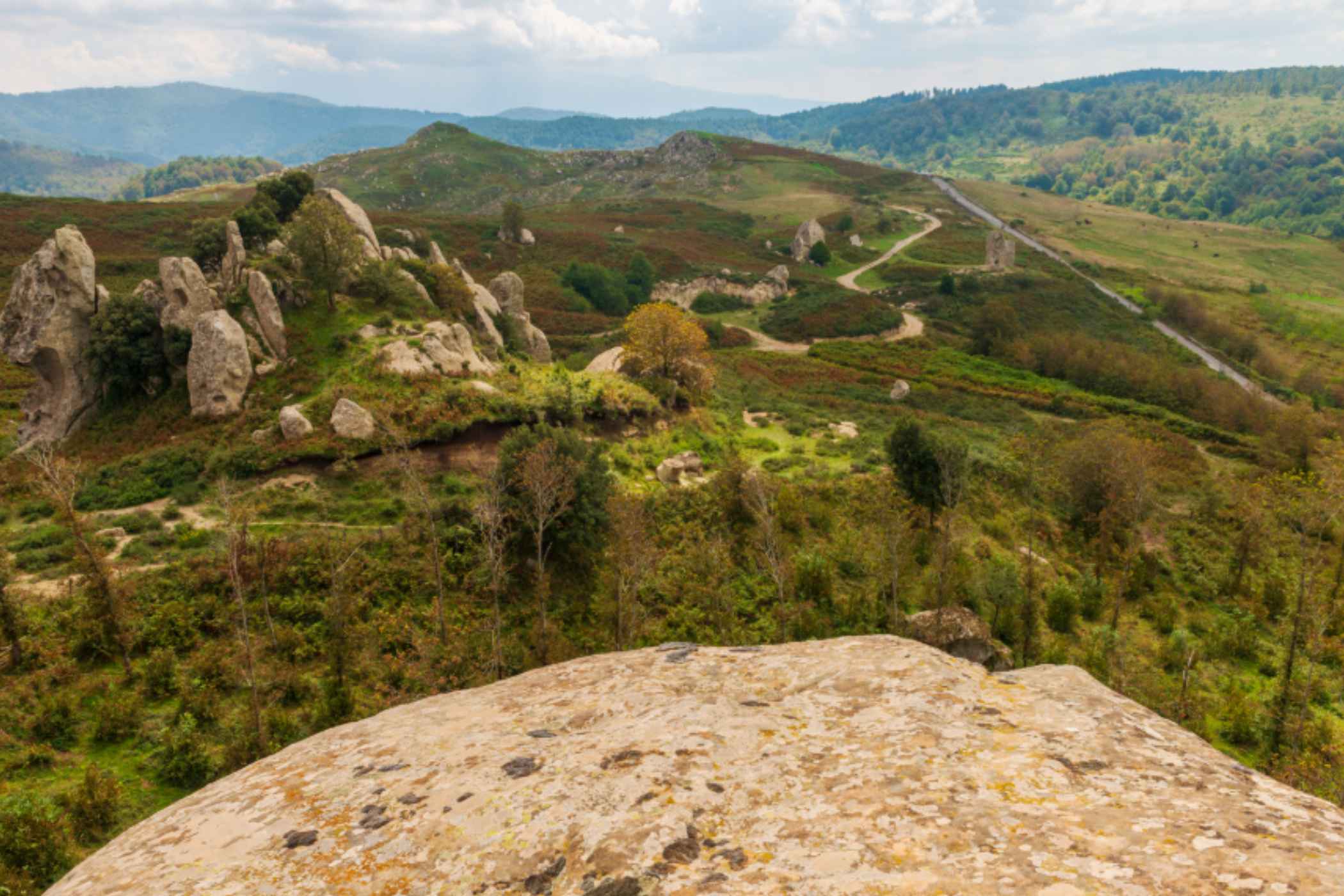
Argimusco, often called the “Sicilian Stonehenge”, is a rocky plateau located between the Nebrodi and Peloritani mountains, near Montalbano Elicona in the province of Messina. Here stand imposing granite boulders shaped by erosion into anthropomorphic and zoomorphic forms: faces, profiles, trunks, and columns that seem to interact with the surrounding landscape. The arrangement and size of the blocks create a mysterious atmosphere.
Some interpret the site as a place of worship or a prehistoric astronomical observatory, while others believe it to be a natural effect accentuated by imagination and popular tradition. This ambiguity makes Argimusco particularly fascinating, placing it halfway between geology, myth, and archaeology. Compared to major tourist sites, Argimusco’s fame is limited, which keeps the area relatively wild and peaceful. For the curious visitor, it is an intense experience, but it requires solid preparation as the area is not served by major infrastructure.
Getting There
By train
To approach the mountainous interior by rail, you can take a regional Trenitalia train along the Messina-Palermo scenic coastal line to the Falcone or Barcellona-Castroreale railway stations. Because Argimusco sits hidden high up on an isolated plateau, you will need to continue your journey from the coast by renting a vehicle or booking a private local excursion to climb the winding mountain roads.
By car
Driving is highly recommended and by far the most practical way to reach the plateau. From Messina or Palermo, take the A20 Autostrada highway, exit at Falcone, and follow the SS113 state road before merging onto the SP110 provincial road. Follow the mountain road signs climbing steeply up into the hills past Montalbano Elicona directly toward the site entrance.
By bus
For public transit travelers, regional bus networks run limited daily routes connecting coastal hubs like Milazzo or Barcellona Pozzo di Gotto to the main town square of Montalbano Elicona. From the village center, you will need to arrange a local taxi or set out on a long, organized trail hike to reach the megaliths.
Below you’ll find the location marked on Google Maps. Click on it to open the location directly on your device’s maps.
Useful Contacts
- Comune di Montalbano Elicona – Ufficio Turismo (Municipal Tourism Desk):
- Website: comune.montalbanoelicona.me.it
- Associazione Naturalistica Argimusco (Local Site & Guided Trail Info):
- Website: montalbanoeliconaturismo.it
- Sicilia Turismo (Sicily Regional Tourism Board Portal):
- Website: visitsicily.info
What to Bring & Pro Tips
- Bring a smartphone or a camera to capture the breathtaking way the shifting light shapes the profiles of the faces, trunks, and columns.
- Wear comfortable, sturdy hiking equipment and trail shoes with strong rubber grip, as walking among the megaliths requires navigating rough, uneven natural terrain.
- Plan your visit to experience walking among the megaliths at sunset, when the atmosphere becomes incredibly intense and memorable.
- Pack a windbreaker jacket or extra layers, as the open plateau is highly exposed, allowing you to stay warm while listening to the wind blowing over the rocks.
- Bring your own water bottle and snacks, keeping in mind that the area is not served by major infrastructure or commercial facilities.
- Enjoy the tranquility and relative isolation of the site, respecting the wild nature of this lesser-known gem.
The “Hidden Gem”
Once you have finished watching the sunset light shape the megaliths of Argimusco, take a short drive to explore the historic center of Montalbano Elicona.
Instead of heading straight back down to the coast, stop in this spectacular hillside village, which holds the prestigious title of being one of the Borghi più belli d’Italia (Most Beautiful Villages in Italy). The absolute crown jewel of the town is the majestic Castello Svevo-Aragonese, an imposing medieval fortress built by the Swabians and completely transformed into a royal summer residence by King Frederick II of Aragon in the 14th century. Walking through its impeccably preserved stone courtyards, ancient chapel, and historic arms museum offers a wonderfully cozy and majestic cultural break, rewarding travelers with a firsthand look at a perfectly intact medieval stronghold overlooking the green Nebrodi peaks.
