

What You Need to Know: Useful Information
Samugheo is a small village located in the heart of Sardinia, in the province of Oristano, beautifully nestled among rolling hills. This village is best known across the region for its ancient and precious textile tradition, which represents one of the most important and distinctive cultural aspects of the area. Weaving in Samugheo has deep, historic roots and has been proudly handed down for generations, historically involving almost all local families.
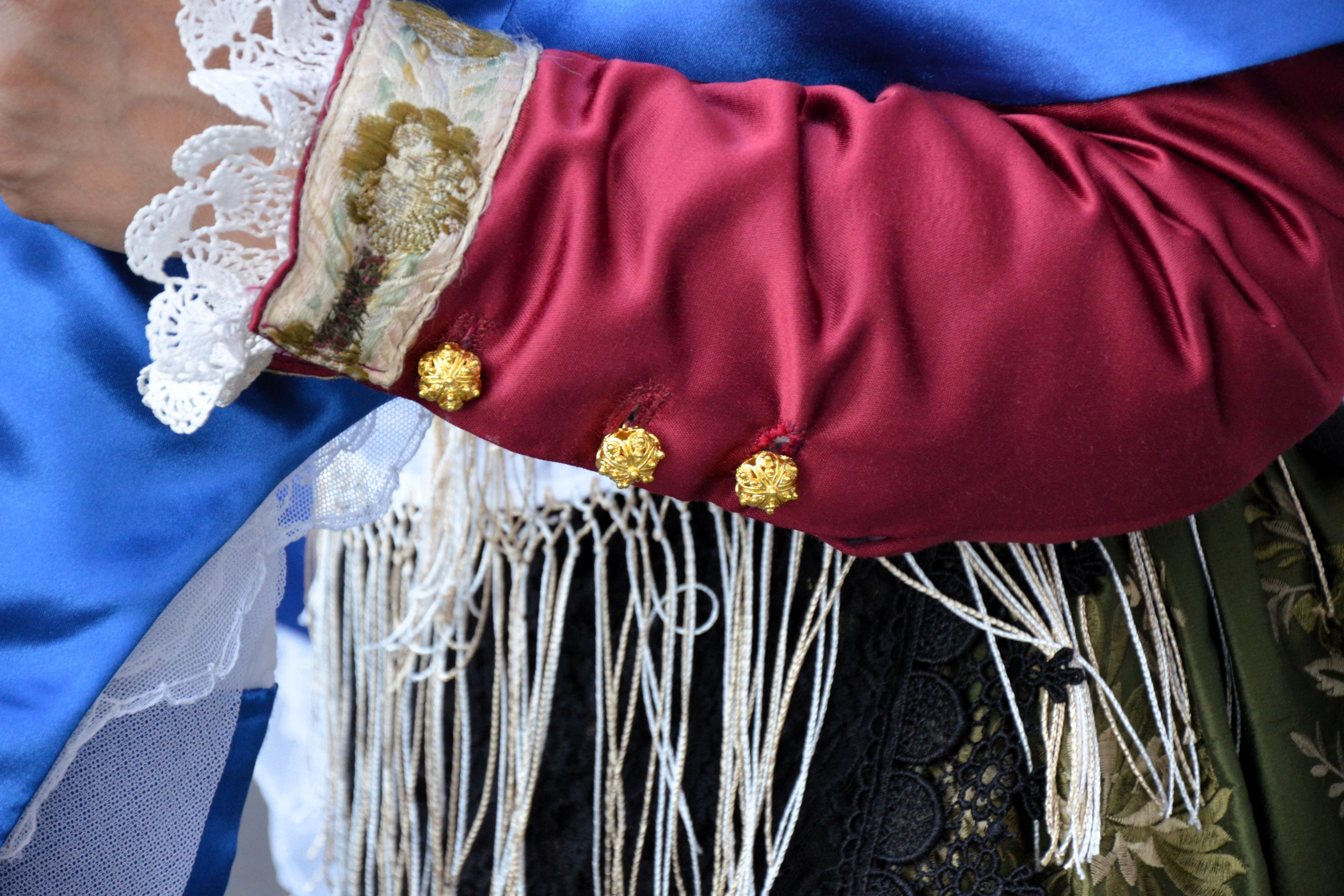
The village’s textile production is world-famous for its intricate carpets, furnishing fabrics, and traditional garments made using meticulous artisanal techniques that employ classic hand looms. The exceptional quality and beauty of the fabrics are the result of meticulous work that seamlessly combines precise manual skill and ancient knowledge. The complex decorative motifs are often inspired directly by nature and historic Sardinian traditions, making each finished piece entirely unique and recognizable. Weaving here is not merely an economic activity, but a fundamental pillar of Samugheo’s cultural identity. To preserve this legacy, the town is home to the Museo Unico Regionale Arte Tessile Sarda (MURATS), a specialized museum completely dedicated to this textile art, which attracts visitors from all over the world interested in discovering the history and craftsmanship of local weavers.
Getting There
By train
To approach this historic weaving center by rail, you can take a regional Trenitalia train directly to the Oristano railway station. Because Samugheo sits nestled further inland among the central hills, you will need to continue your journey from the Oristano station by renting a vehicle or catching a connecting regional bus to climb up into the village.
By car
Driving offers the most direct and practical way to navigate the scenic hills of the Oristano hinterland. From Cagliari or Sassari, take the main SS131 highway (Carlo Felice), take the exit toward Abbasanta or Oristano Nord, and follow the SP33 and SP35 provincial road signs leading straight through the hills into Samugheo, where public parking is available near the town center.
By bus
For regional public transit travelers, the ARST transit network operates scheduled daily bus routes connecting the central terminal in Oristano and neighboring inland towns directly to Samugheo. These buses drop passengers off near the main municipal squares, placing you within easy walking distance of the local artisan studios.
Below you’ll find the location marked on Google Maps. Click on it to open the location directly on your device’s maps.
Useful Contacts
- MURATS – Museo Unico Regionale Arte Tessile Sarda (Official Sardinian Textile Art Museum):
- Website: murats.it
- Comune di Samugheo (Samugheo Municipal Administration & Tourism Desk):
- Website: comune.samugheo.or.it
- Sardegna Turismo (Sardinia Regional Tourism Board Portal):
- Website: sardegnaturismo.it
What to Bring & Pro Tips
- Look into booking your introductory loom experience in advance, as these specialized workshops open to the public are highly sought after and intentionally maintain small group sizes.
- Wear comfortable, casual clothing with close-fitting sleeves so your attire does not get caught in the wooden shuttles or warp threads while working at the bench.
- Trim your fingernails and remove snagging jewelry like rings and bracelets before sitting down, ensuring you can handle the delicate wool and cotton fibers smoothly.
- Bring a smartphone or a camera to capture the step-by-step evolution of your hand-woven textile piece as it grows on the frame.
- Listen closely to the master weavers during the session, as you will have the chance to learn how to recognize typical geometric patterns, natural local colors, and intricate techniques handed down from mother to daughter.
- Keep an open mind and embrace the process, remembering that even those who have never touched a loom before can easily try their hand at this timeless craft.
- Plan to spend a few hours fully immersed in the studio, keeping in mind that while the experience lasts a few hours, it leaves a lasting impression and offers profound contact with a craft that has spanned centuries.
The “Hidden Gem”
Once you have finished interlacing your threads on the hand loom and touring the historic textile galleries of the MURATS museum, take a short drive through the rugged valleys to explore the spectacular ruins of the Castello di Medusa (Castle of Medusa).
Instead of leaving the territory right after your weaving workshop, head just a few kilometers outside the village to find a mysterious medieval fortress completely carved into a dramatic, sheer marble cliffside surrounded by dense Mediterranean woods. Built around the 4th or 5th century and later utilized during the Giudicato era, this isolated stronghold is wrapped in dark local legends of an ancient, cursed queen named Medusa who supposedly hid her treasures deep within the castle’s hidden underground tunnels. Today, hiking up the wild, scenic trail to view the ancient stone defensive walls and arched windows overlooking the deep gorge below offers a wonderfully wild, atmospheric, and awe-inspiring historical break, rewarding adventurous travelers with a profound look at the rugged, untamed landscapes that have framed Samugheo’s heritage for over a thousand years.
