

What You Need to Know: Useful Information
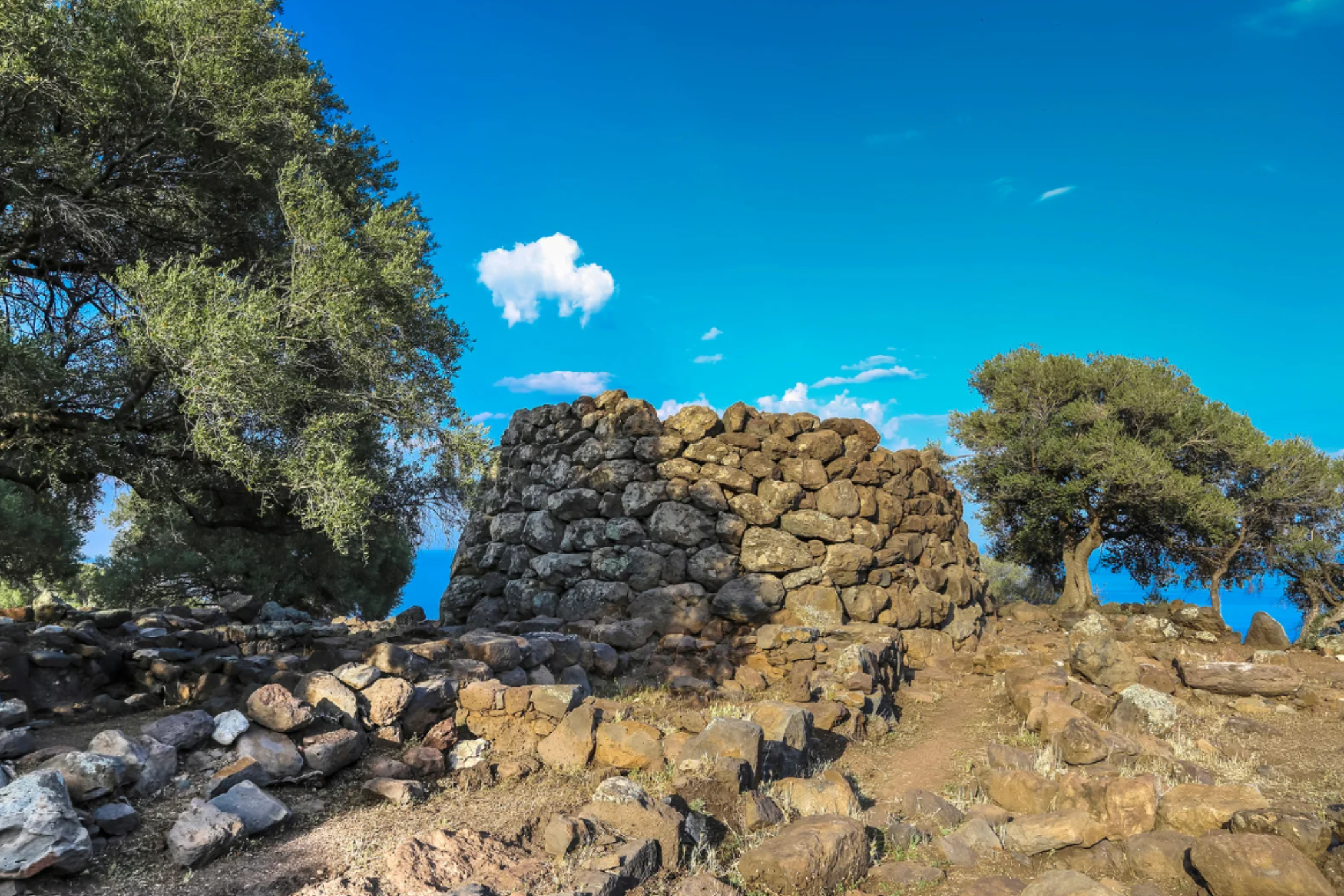
Nuraghi are ancient megalithic structures typical of Sardinia, dating back to the Bronze Age, between 1800 and 1100 BC. These monuments stand as the primary evidence of the Nuragic civilization, a resilient people who inhabited the island for about a millennium. The very word “nuraghe” comes from the Sardinian word “nurra”, which means “pile of stones”. It refers directly to the distinct tower-like structures built with large blocks of stone masterfully stacked on top of each other without the use of mortar.
Nuraghi have a characteristic truncated cone shape and could consist of a single tower or more complex structures featuring several towers connected by walls. While their exact function is not entirely clear, it is widely thought that they were used for residential, defensive, and perhaps even religious purposes. Some studies suggest they were inhabited by the elite or tribal leaders, while circular huts were built around them to house the families of the community. Today, there are about 7,000 nuraghi scattered throughout Sardinia, from the coast to the inland areas, waiting to be explored.
Getting There
By train
To approach the major archaeological sites by rail, you can take a regional Trenitalia train along the main spine of the island. For the north, get off at the Torralba station to reach nearby monuments, or take the train to San Gavino Monreale or Cagliari in the south to coordinate onward travel toward the central plains. Because these prehistoric structures are scattered across rural landscapes, you will need a local taxi or rental to complete the trip from the station.
By car
Driving is by far the most efficient way to hop between the thousands of monuments scattered across the island. From Cagliari, take the SS131 highway northbound to easily reach the interior lowlands of Marmilla or the northwest plains, following the clear, brown cultural signs that point directly toward the major archaeological parking zones.
By bus
For regional public transit travelers, the ARST transit network operates daily scheduled bus routes connecting major urban hubs to smaller rural municipalities. These buses stop in the main squares of villages near the key sites, where local shuttle connections or walking paths lead you straight to the monument ticket gates.
Below you’ll find the location marked on Google Maps. Click on it to open the location directly on your device’s maps.
Iconic Nuragic Sites to Visit
- Su Nuraxi di Barumini: Located in the Marmilla region, this is the most famous and best-preserved nuragic complex on the island, proudly recognized as a UNESCO World Heritage Site.
- Nuraghe Santu Antine: Situated in Torralba, this monument stands out as one of the largest and most visually impressive structures in Sardinia.
- Nuraghe Arrubiu: Found in Orroli, this site is also colloquially known as the “red nuraghe” due to the distinct, warm color of its ancient stones.
- Palmavera Complex: Positioned near the coastal town of Alghero, this is another exceptionally well-preserved site of immense archaeological interest.
What to Bring & Pro Tips
- Look into booking a guided tour with an archaeologist, as they can recount the fascinating history of the Nuragic civilization with immense passion.
- Wear comfortable, sturdy walking or hiking shoes with rubber grip, since exploring the monuments involves walking on uneven dirt trails and climbing up historic, mortarless stone steps.
- Bring a smartphone or a camera to capture the majestic, truncated cone towers and the wide landscapes that surround them.
- Pack a wide-brimmed sun hat, high-SPF sunscreen, and a refillable water bottle, as most of these archaeological sites are fully exposed to the sun.
- Stick around until the end of your archaeological trek, as the tour often concludes with a small, delightful aperitif in the open air featuring traditional bread, cheese, and local wine.
- Take a moment to unwind during the tasting, soaking in the unforgettable view of an surrounding valley that seems completely unchanged for three thousand years.
The “Hidden Gem”
Once you have finished sipping your local wine and marveling at the colossal stones of the main complexes, take a short drive to experience the mystical Sanctuario Nuragico di Santa Cristina (Holy Well of Santa Cristina).
Instead of limiting your prehistoric journey entirely to defensive towers, head near Paulilatino along the SS131 to discover one of the most mathematically perfect sacred sites in the subterranean world. Built around the 12th century BC, this incredible underground “well temple” features a flawless, inverted stone staircase that descends into a subterranean pool of pure water. The stone blocks are cut with such astonishing geometric precision that they look almost modern, and during the equinoxes, the sunlight aligns perfectly down the stairwell to illuminate the water below. Walking down into this quiet, echoing, and deeply spiritual monument offers a wonderfully serene and awe-inspiring historical break, rewarding travelers with a profound firsthand look at the advanced architectural and astronomical skills of Sardinia’s ancient water-worshipping ancestors.
