

What You Need to Know: Useful Information
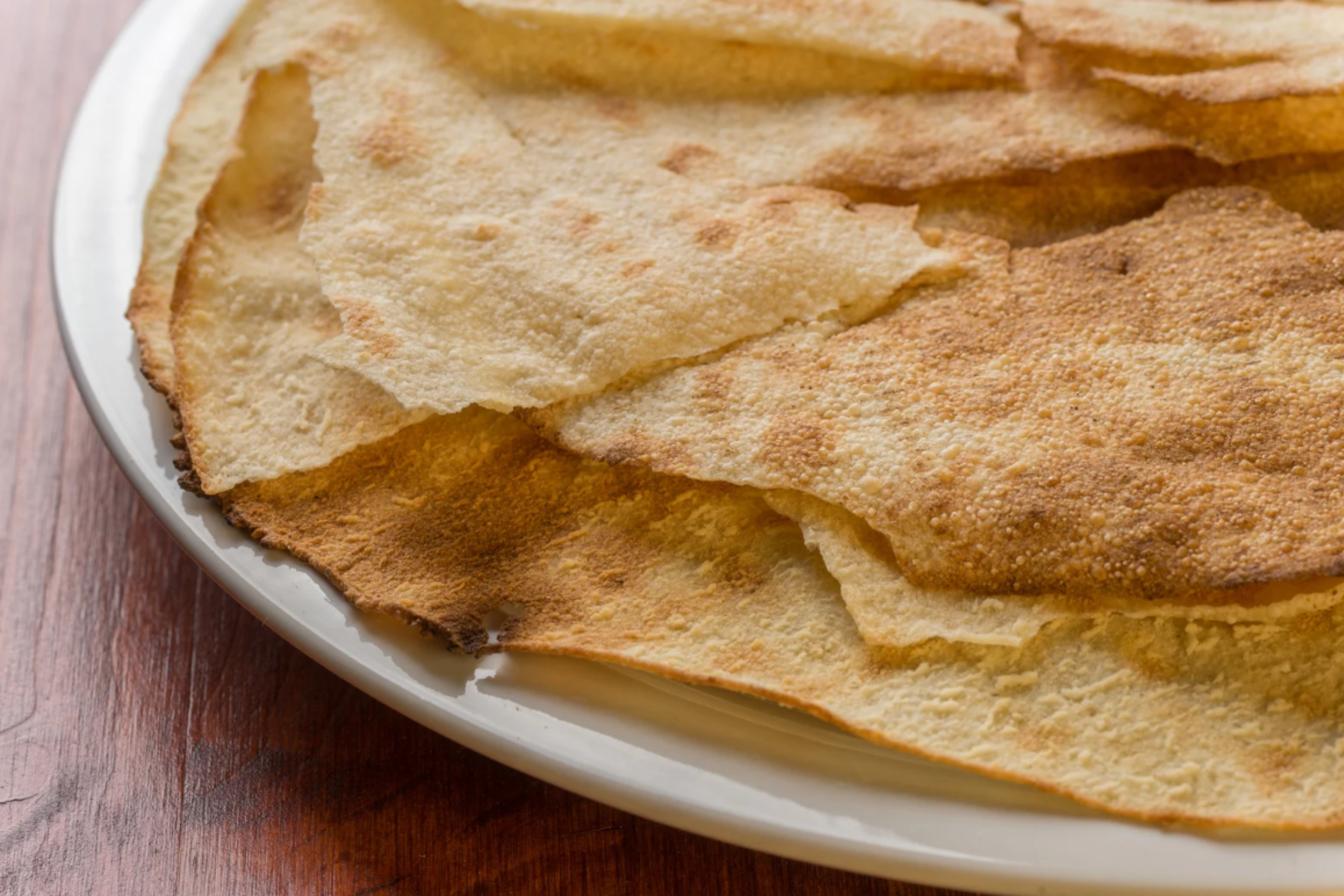
Carasau bread is a typical product of Sardinia: a thin, crispy disc, created in pastoral communities to last a long time during long journeys. It is made with just a few simple ingredients: wheat flour, water, yeast, and salt. The traditional process requires two cookings. After the first rising and the formation of loaves, the dough is rolled out into very thin sheets that are briefly baked in the oven; the cooked sheets are then separated and put back in the oven to become completely dry and brittle.
This distinct double baking gives carasau its characteristic crispness and ability to keep for weeks or months without deteriorating. In addition to its nutritional value, carasau bread is a major cultural symbol of Sardinia. It carries with it the history of shepherds, the artisanal care of families, and the connection to the land and local ingredients. It is present on tables at home and at celebrations, sometimes even used in local recipes such as “pane frattau”, where the carasau is softened with broth and topped with tomato sauce, eggs, and pecorino cheese. For those who want to learn more about this tradition, many Sardinian towns organize hands-on workshops.
Getting There
By train
To reach the historic baking towns of the interior by rail, you can take a regional Trenitalia train directly to stations like Oristano, Nuoro, or Sassari depending on the specific village hosting your class. Because traditional bakeries are heavily rooted in rural and mountain communities, you will generally need to catch a connecting local transit bus or a taxi from the station to reach the workshop door.
By car
Driving offers the best flexibility for visiting small town bakeries. From Cagliari, take the main SS131 highway northbound to access the central plains and mountain foothills, following local provincial signs directly into the village centers where public parking is widely available.
By bus
For regional public transit travelers, the ARST transit network operates frequent daily scheduled bus routes connecting major airports and coastal cities directly to smaller inland municipalities. These buses drop passengers off near central plazas, putting you within short walking distance of local artisan workshops.
Useful Contacts
- FIPGC – Federazione Internazionale Pasticceria Gelateria Cioccolateria (Italian Baking & Pastry Association – Sardinian Registry):
- Website: fipgc.it
- Sardegna Turismo (Sardinia Regional Tourism Board Portal):
- Website: sardegnaturismo.it
What to Bring & Pro Tips
- Look into booking your hands-on baking class online ahead of time, as these traditional workshops limit group sizes to ensure everyone gets enough counter space and oven access.
- Prepare to learn the entire process, from preparing the dough and shaping the loaves to rolling out the sheets using traditional manual techniques, and finally baking and storing the bread.
- Listen closely to the local bakers or families who have passed down the craft, allowing participants to experience ancient movements and gestures firsthand.
- Wear comfortable, flat closed-toe shoes and casual clothing, as you will be standing for a few hours working dynamically with loose flour and high-temperature ovens.
- Tie back long hair and remove rings or bracelets before sitting down, ensuring you can handle and separate the delicate, paper-thin sheets of dough cleanly.
- Enjoy the storytelling during your session, keeping in mind that taking part in a workshop is an opportunity to understand the social value of bread, listen to local stories, and take home an authentic piece of Sardinian culture made with your own hands.
The “Hidden Gem”
Once you have finished separating your crispy sheets of carasau bread and tasting your handmade pane frattau, take a short drive to explore the stunning Gola di Gorropu (Gorropu Gorge).
Instead of staying entirely focused on the village kitchens, head deep into the Supramonte mountain range between Urzulei and Orgosolo to discover one of the deepest canyons in Europe. Carved over millennia by the Flumineddu River, this breathtaking natural wonder features sheer limestone walls that plunge dramatically down over 500 meters. A scenic hiking trail leads you right into the heart of the gorge, where you can scramble over colossal, smooth white boulders and look up at the narrow strip of sky above. Stepping into this massive, silent canyon offers a wonderfully wild and awe-inspiring natural break, rewarding travelers with a profound firsthand look at the rugged, untamed landscapes that forced Sardinia’s ancient pastoral communities to create resilient foods like carasau bread centuries ago.
