

What It’s All About: The Experiential & Human Value
In Italy, shopping is rarely a sterile, rushed, or strictly transactional chore. Instead, it is an authentic daily ritual that unfolds beautifully through the living fabric of historic city centers and quiet rural villages. While much of the Western world has surrendered its high streets to massive shopping malls and automated checkout lanes, Italy proudly preserves its botteghe – a dense network of small, specialized neighborhood shops and historic establishments that dot the cobblestone streets.
This traditional model naturally encourages people to slow down and walk, transforming a simple shopping trip into a leisurely stroll (una passeggiata) among beautifully dressed windows and ancient architecture. Moving on foot from a specialized butcher to a local baker allows you to reclaim your time, notice the changing seasons, and discover charming hidden alleys that would completely escape you if you were hurried along in a car.
The true crown jewel of the bottega model, however, is its profound human dimension. When you cross the threshold of a small Italian shop, you are stepping directly into the realm of an expert artisan or merchant who has often dedicated their entire life to a single, specific product – be they a master shoemaker, a proud grocer, or a meticulous tailor. In these intimate spaces, you are never just an anonymous transaction or a number on a receipt; you are a person to engage with. The shopkeeper acts as a passionate guide, eagerly explaining the exact origin of a material or suggesting the absolute perfect wine pairing for a regional recipe with a genuine enthusiasm completely missing from corporate retail. Over time, these daily micro-interactions blossom into deep, authentic bonds that knit a neighborhood together.
Master the “Riposo” (The Afternoon Closure)
Do not expect small Italian shops to stay open 24/7 or remain open straight through the day. Most independent botteghe follow traditional hours: opening around 8:30 AM or 9:00 AM, closing down for the riposo (afternoon break) between 1:00 PM and 4:00 PM, and reopening until 7:30 PM or 8:00 PM. Plan your stroll accordingly!
Always Greet Upon Entering and Leaving
In an Italian bottega, this is viewed as incredibly cold. Make eye contact, give a warm “Buongiorno” (or “Buonasera” if it’s past noon), and always say goodbye when leaving. It shifts the dynamic from customer-corporate to guest-host.
Let Them Serve You
In small traditional grocery stores (alimentari) or fruit shops, do not grab items directly off the shelves or displays yourself unless invited. Point to what you want and let the shopkeeper select, weigh, and package the goods for you. They take immense pride in the presentation and quality control of their inventory.
Embrace the Specialization Loop
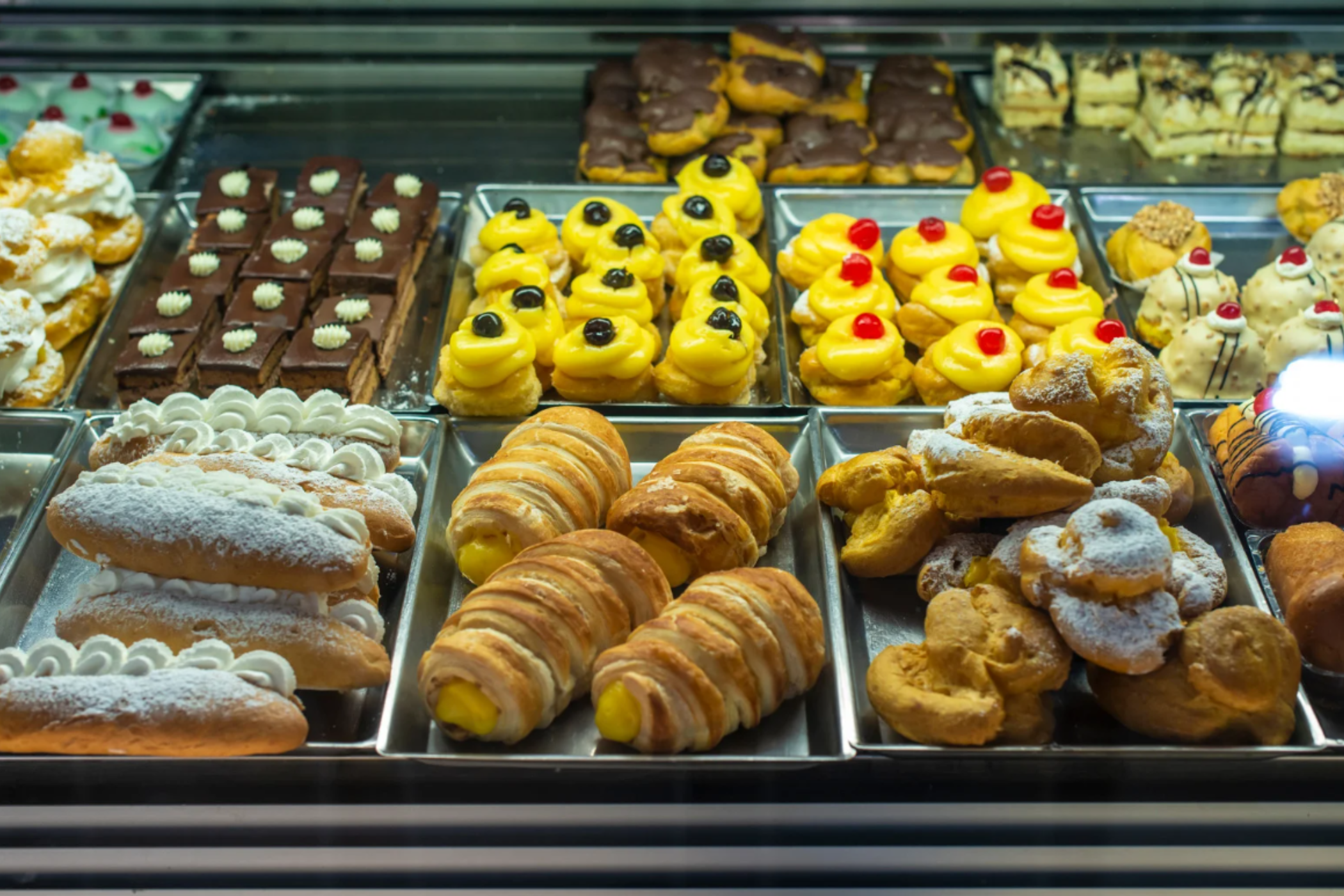
Don’t look for a one-stop-shop. Embrace the beauty of the system: buy your bread at the panificio, your cured meats at the salumeria, your fresh pasta at the pastificio, and your sweets at the pasticceria. Yes, it takes longer – and that is precisely the whole point.
The “Hidden Gem”
Look for shops displaying the official “Bottega Storica“ (Historic Shop) plaque near their entrance.
Many Italian regions and municipalities award this official status only to independent businesses that have operated continuously in the exact same location for 40, 50, or even 100+ years, maintaining their original architectural features or traditional trade methods. Stepping into a certified Bottega Storica – whether it’s a century-old pharmacy lined with wooden apothecary jars or a tiny cobbler’s workshop – is like stepping into a living museum. The prices are rarely higher than anywhere else, but the history, reputation, and sheer attention to detail are completely unmatched.
