

What You Need to Know: Useful Information
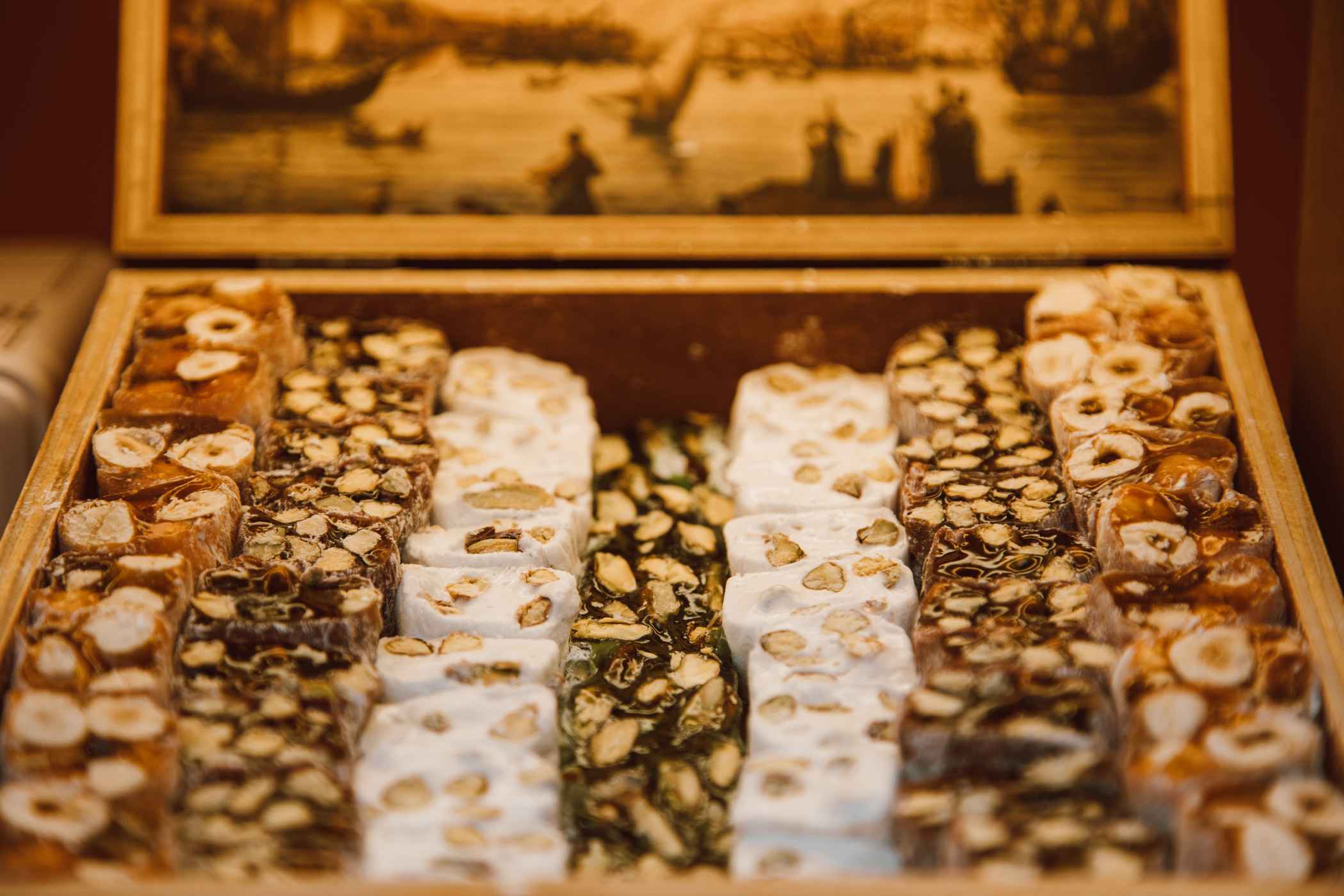
If you have ever enjoyed a piece of torrone – the classic, nutty Italian nougat – during the holidays, you have the elegant city of Cremona to thank. Nestled along the banks of the Po River in southern Lombardy, Cremona is a place where sensory wonders collide. It is globally famous as the birthplace of Stradivari violins, but it is equally celebrated for its centuries-old confectionery craft. Cremona is the historical home of torrone, a decadent sweet made from whipped honey, sugar, egg whites, and perfectly toasted almonds or hazelnuts. Visiting this historic city offers a deep, sugary dive into an artisanal tradition that has sweetened Italian life since the Renaissance.
Getting There
By Train:
Cremona is highly accessible by rail. Direct regional trains run frequently from Milano Centrale or Milano Lambrate, getting you to Cremona in about 1 hour and 10 minutes. The train station is an easy, flat 15-minute walk from the main festival squares.
By Car:
From Milan, take the A1 highway south toward Bologna, then exit onto the A21 highway toward Brescia/Cremona. The drive takes around 1 hour and 15 minutes. During the November festival, it is best to use the large commuter parking lots outside the city walls (like Parcheggio Piazza Marconi) and walk or take a shuttle in.
By Bus:
Regional bus lines link Cremona to neighboring cities like Piacenza, Brescia, and Mantua, with terminals located right next to the railway station.
Below you'll find the location marked on Google Maps. Click on it to open the location directly on your device's maps.
Useful Contacts
- Cremona Tourist Information Office (Infopoint): +39 0372 407081 | [email protected]
- Official Festival Website: Festa del Torrone di Cremona
The “Hidden Gem“
While the sweet treats fill the streets, make time to step inside the Museo del Violino (The Violin Museum). Cremona is the cradle of violin-making, home to legendary master luthiers like Antonio Stradivari and Giuseppe Guarneri. The museum houses a priceless collection of historic, multi-million-dollar violins kept in climate-controlled glass vaults. If you time your visit right, you can book a seat in the stunning, acoustically perfect auditorium to hear a master musician bring one of these 300-year-old Stradivarius instruments to life in a short, spine-tingling recital.
